
Fenix BFU: A Step in the Right Direction
August 27, 2025
Analysis
Three years ago, I wrote an article on my blog expressing my skepticism about the then-upcoming Fenix A320. I drew a parallel with the FlightFactor A320 fiasco for X-Plane 11 and how it fooled an entire community before its launch, promising a force to be reckoned with in system depth, flight dynamics, and overall quality.

In a nutshell, FlightFactor promised an A320 that had been converted from a real-world training platform into X-Plane, announcement of which was rapidly embraced by the ever-growing XP11 community, as the year was 2017, and P3D's future was a huge question mark due to its 32-bit roots, something that would change within a few months and further complicate things for their already high bar of becoming the best A320 simulation for the average consumer.
At a glance, it was cheaper ($99 against $140 for the ESP rival, FSLabs A320-X), offered a comprehensive Electronic Flight Bag (which was all the rage back then), and had "outstanding system depth". It ran on X-Plane, meaning the aerodynamics and flight model would be automatically superior (or so their die-hard fans would believe at the time). A no-brainer on paper, except it did not live up to the expectation and ended up eclipsed by Toliss and their A319/A321.
In that same article, I said another A320 - the Fenix - appeared out of thin air in 2021, making bold claims of system depth and overall fidelity, but I was not quite sold on it yet, hoping it would turn out to be true, but not holding my breath.
A few months after publishing that article, I fell for it hook, line, and sinker. The many preview videos showcasing stuff like how the wind direction would affect the cooling of the brakes—with one side cooling faster than the other—and their very in-depth blog posts describing some of the systems and their intricacies convinced me they knew exactly what they were doing. There was no way it wouldn't be a pretty good product on release.
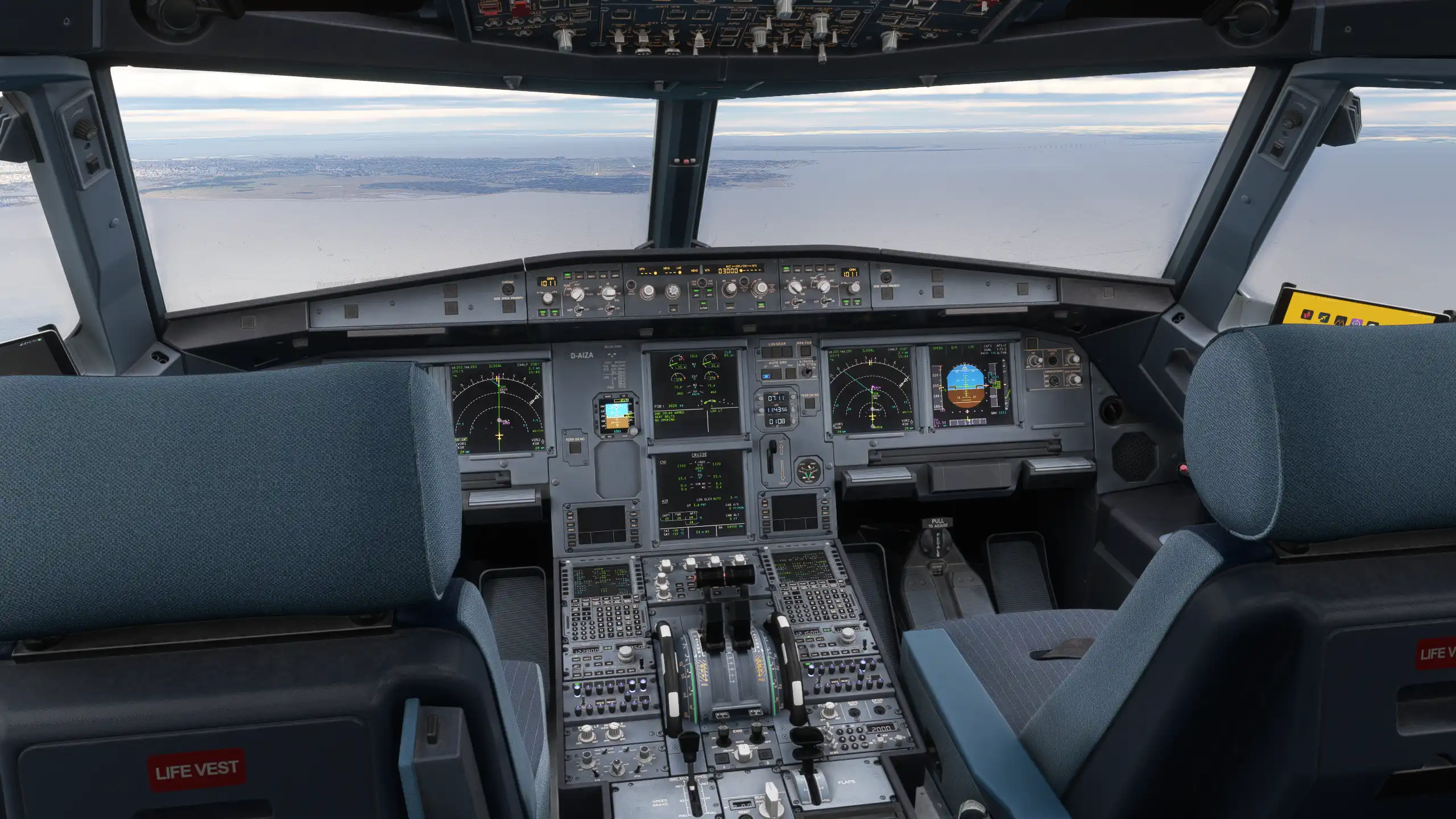
Once the pricing was announced - 49.99 GBP -, I could not contain my excitement and was sure we would witness a revolution in the flight simulation market, forever changing how developers price their aircraft and raising the overall expectations for study-level products. In a way, it did revolutionize the market, as it's still one of the cheapest complex airliners for Microsoft Flight Simulator, whilst also offering one of the most complete feature sets in many ways: a pretty good EFB, impressive texturing all around, a 3D scanned passenger cabin, outstanding sounds, almost a thousand official liveries, the list goes on.
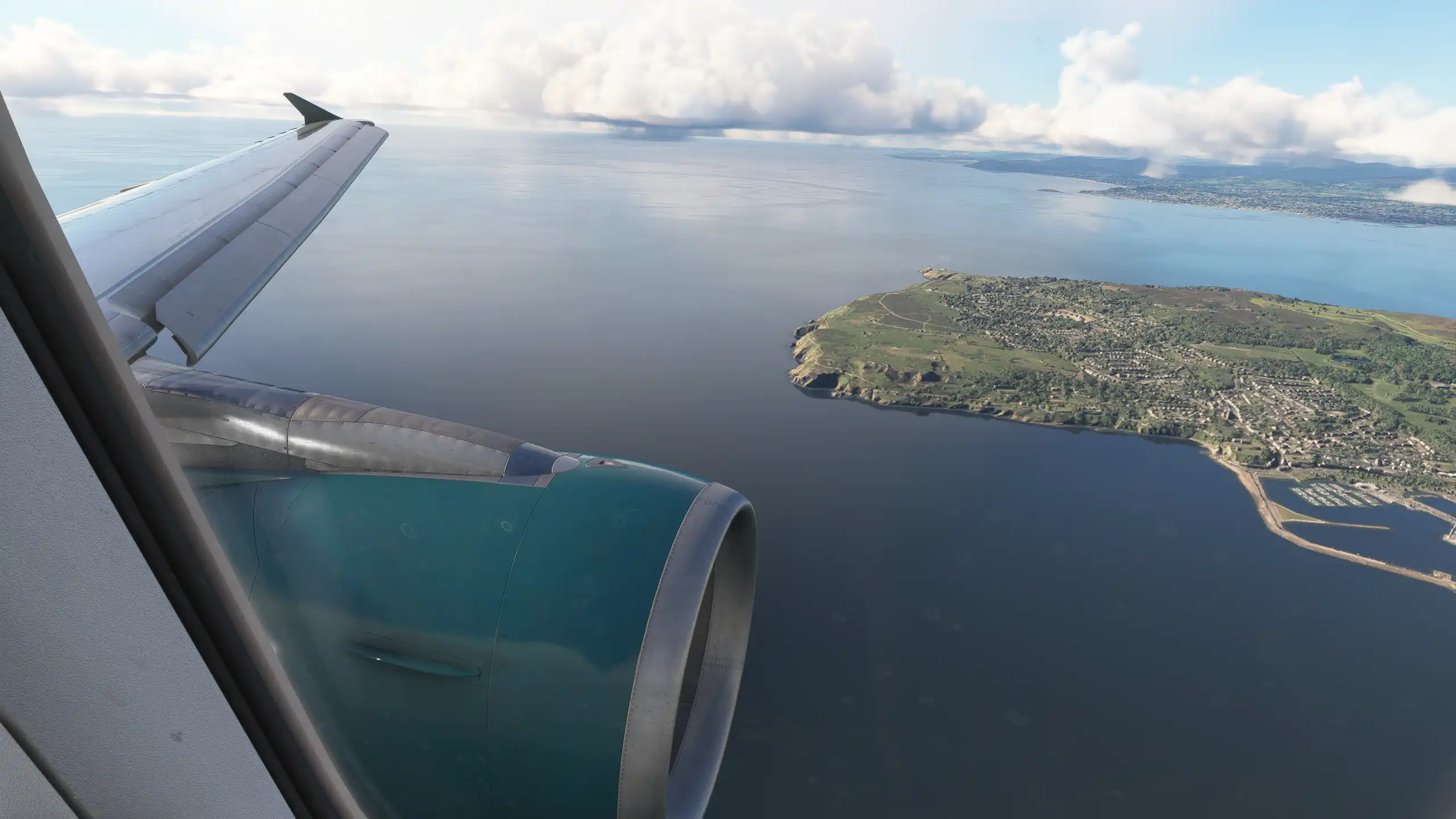
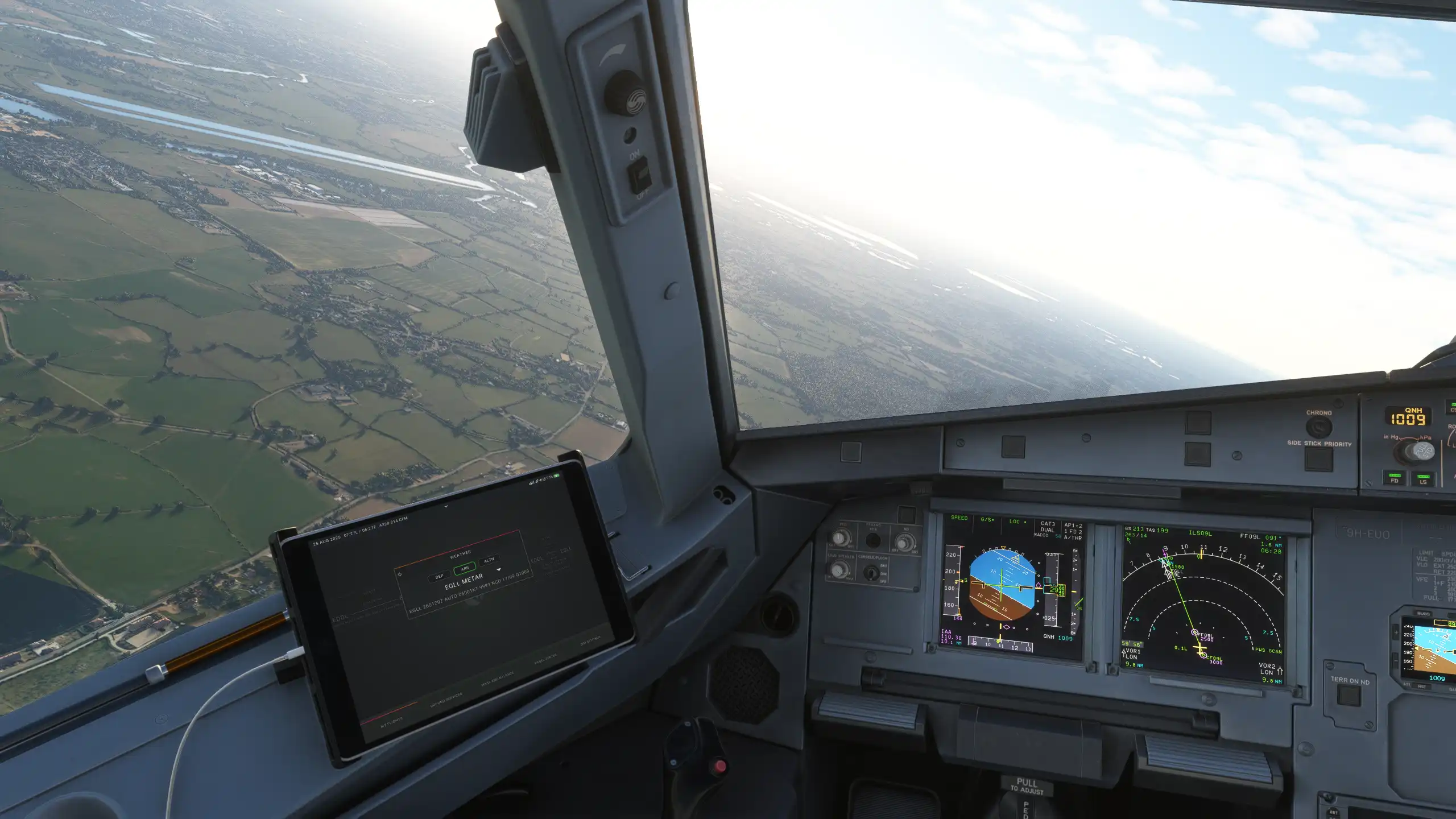
On paper, the Fenix Simulations A320 seemed like the best thing since the advent of sliced bread. Built on top of ProSim (which people use for real-world training), it combined the best of both worlds, giving it one of the best 3D models ever seen, as ProSim by itself is meant to be flown with an actual cockpit. That also significantly shortened their development time, meaning the wait wasn't long from the announcement to the eventual release in mid-2022.
A bit before release, they allowed streamers to showcase the product, drawing hordes of people with their attentive eyes, as they'd fly it from A to B and confidently claim it felt amazing to hand fly and land, with even certain real-world pilots swearing on their mums it was pretty much an 1:1 representation, simulation limitations aside like the lack of "butt feel" and the sidestick not having the same feeling of the real thing. Amusingly, one of the spectators, a French guy whose name I will not mention for the sake of privacy, spotted something off with the fuel flow during cruise, with figures much closer to the A320neo than a ceo. That is something Fenix had never disclaimed beforehand, and probably only covered the matter because people noticed, alleging it was due to a sim limitation of how the internal engine model works (they used the default engine model at first).
In the grand scheme of things, though, the slightly off fuel flow was not too big a deal, especially for people not overly fixated on believable OFPs that could as well be real due to how accurate the fuel burn figures are and how close to the real deal it would end up at the end of the flight. Little did we know then, but it was only the tip of a much larger Iceberg.

Unsurprisingly, the plane sold like hot cakes, hyping up old-school simmers and a significant chunk of the "new wave" simmers that started their journey with Microsoft Flight Simulator 2020. On release day, both old and new were anxiously loading up into their maiden flight, and the overall consensus at first was rather positive, primarily due to people being so focused on the impressive visuals and stuff rather than the rest, but it wasn't long until the criticism rain would begin.

I was one of the day one purchasers, ordering it within the first 20 minutes without hesitation. As a huge Airbus fan, I couldn't wait to finally fly my beloved A320 in a modern simulator and say goodbye to my atrociously ugly Prepar3d V5 (I had to run autogen on medium or else my performance was suboptimal). If memory doesn't fail me, the first flight of choice was a 30-minute-long Liverpool to Belfast, one of my most flown routes to date, still, with most of them flown in Prepar3d with the FSLabs A319 and A320.
It was a mixture of joy during the initial 30 minutes sitting on the ground, despair after take-off and realizing my computer was not entirely up to the task - struggling to deliver a consistent framerate -, and further despair after landing and realizing it felt nothing like the FSLabs. At first, I shrugged it off, as maybe it's just that much more realistic to the point that it makes the older stuff pale. But the discontent kept growing as I insisted on flying it, certain I'd eventually "learn" how to land it properly and everything would be fine and dandy.
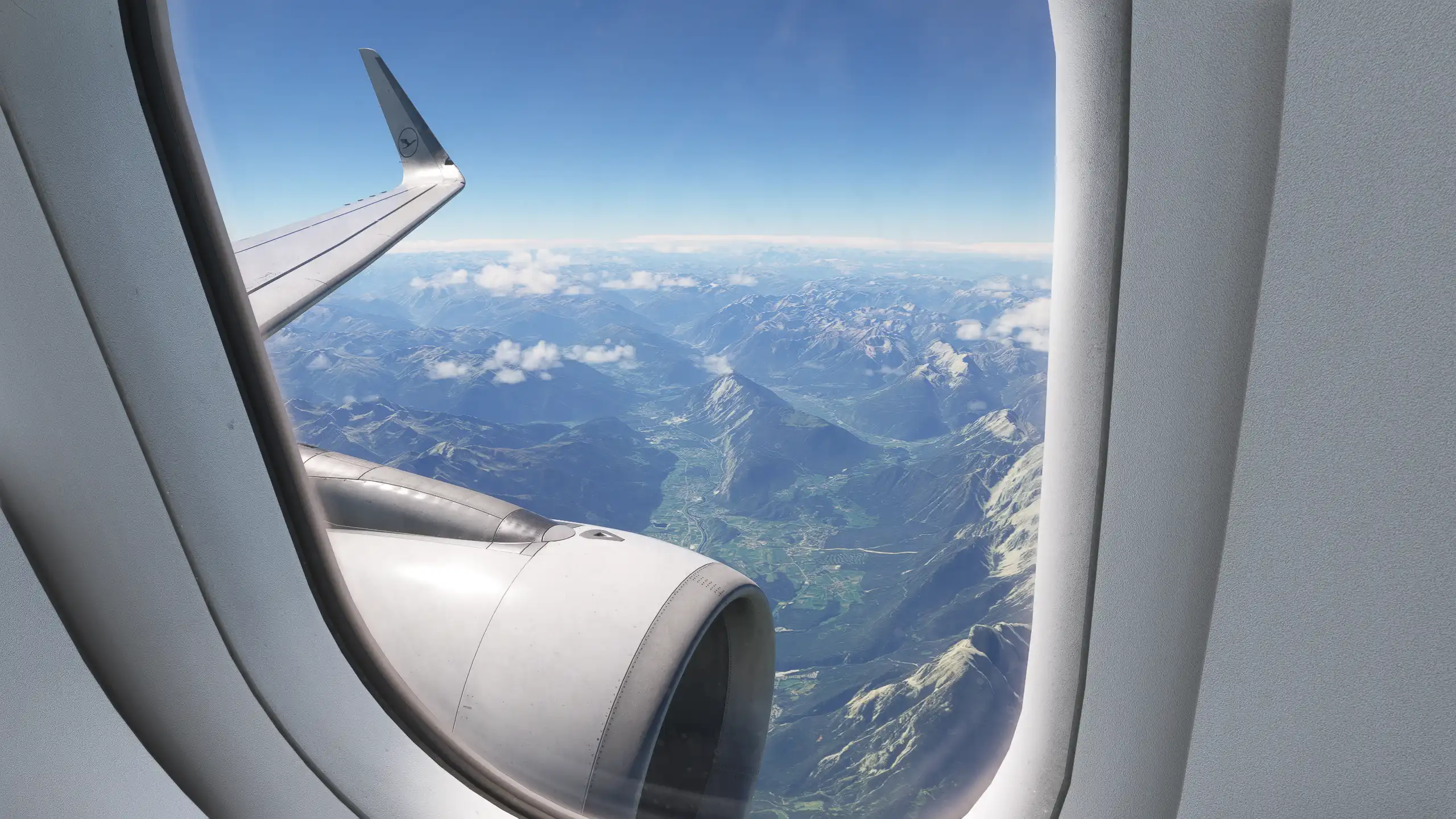
Except learning it was borderline impossible, as the flight model had a mind of its own and would feel completely different during every session, making it impossible to be remotely consistent, no matter how much you would try. At first, I assumed it was a "skill issue", as I had also struggled with specific A32X variants in P3D, only to learn it after a couple of suboptimal landings eventually. I was more than thirty flights in and still struggling to be consistent, which made me wonder whether I had forgotten how to land an Airbus.
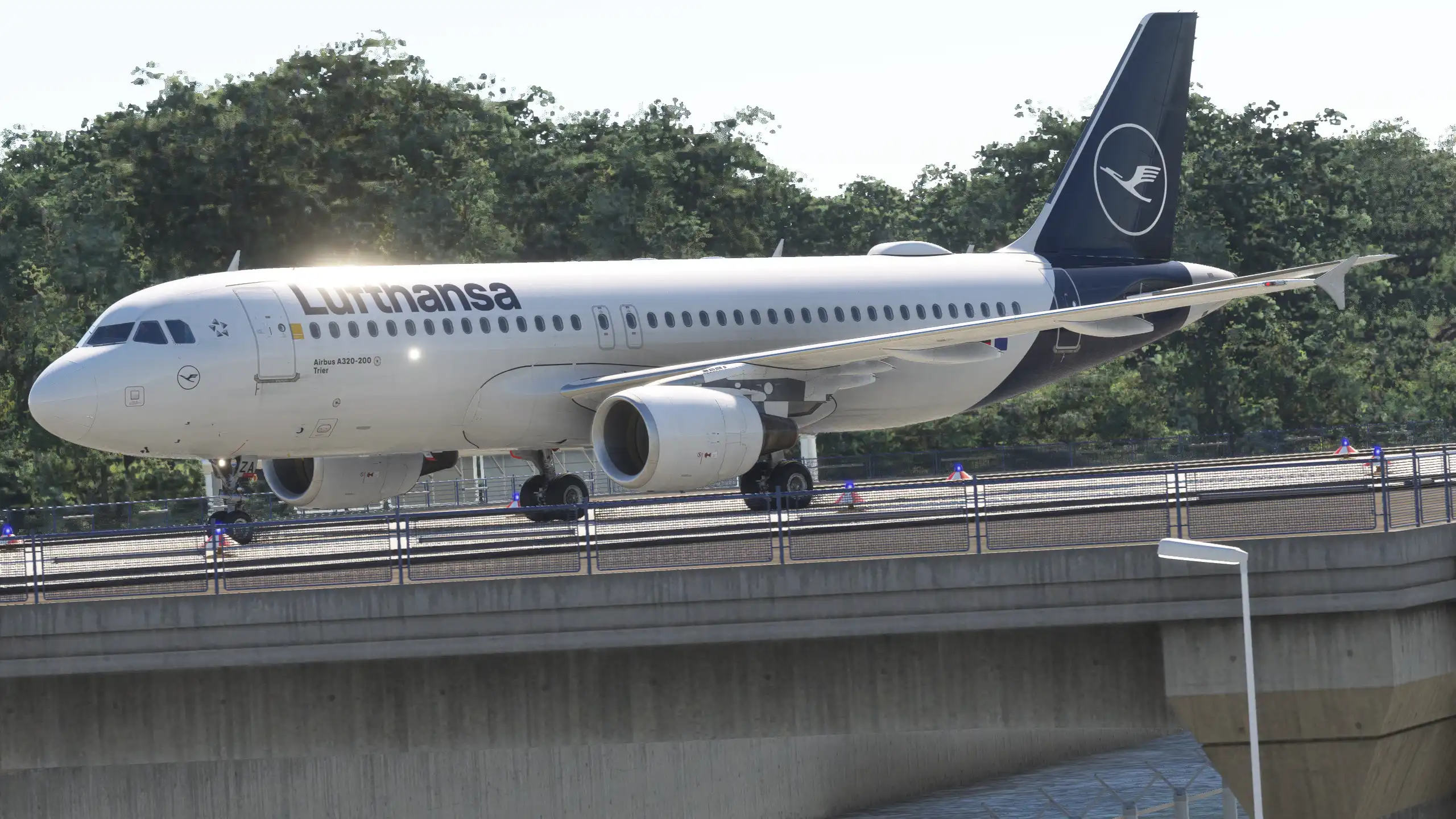
I went back to Prepar3d for the last time that month to check whether I was finished or if something was wrong with the flight model. Uncoincidentally, I was not the only one wondering that, as lots of my friends—most of them day one customers—were also quite puzzled as to why they couldn't land it properly despite being pretty good with the A320 family in P3D. It shouldn't feel that different, right?
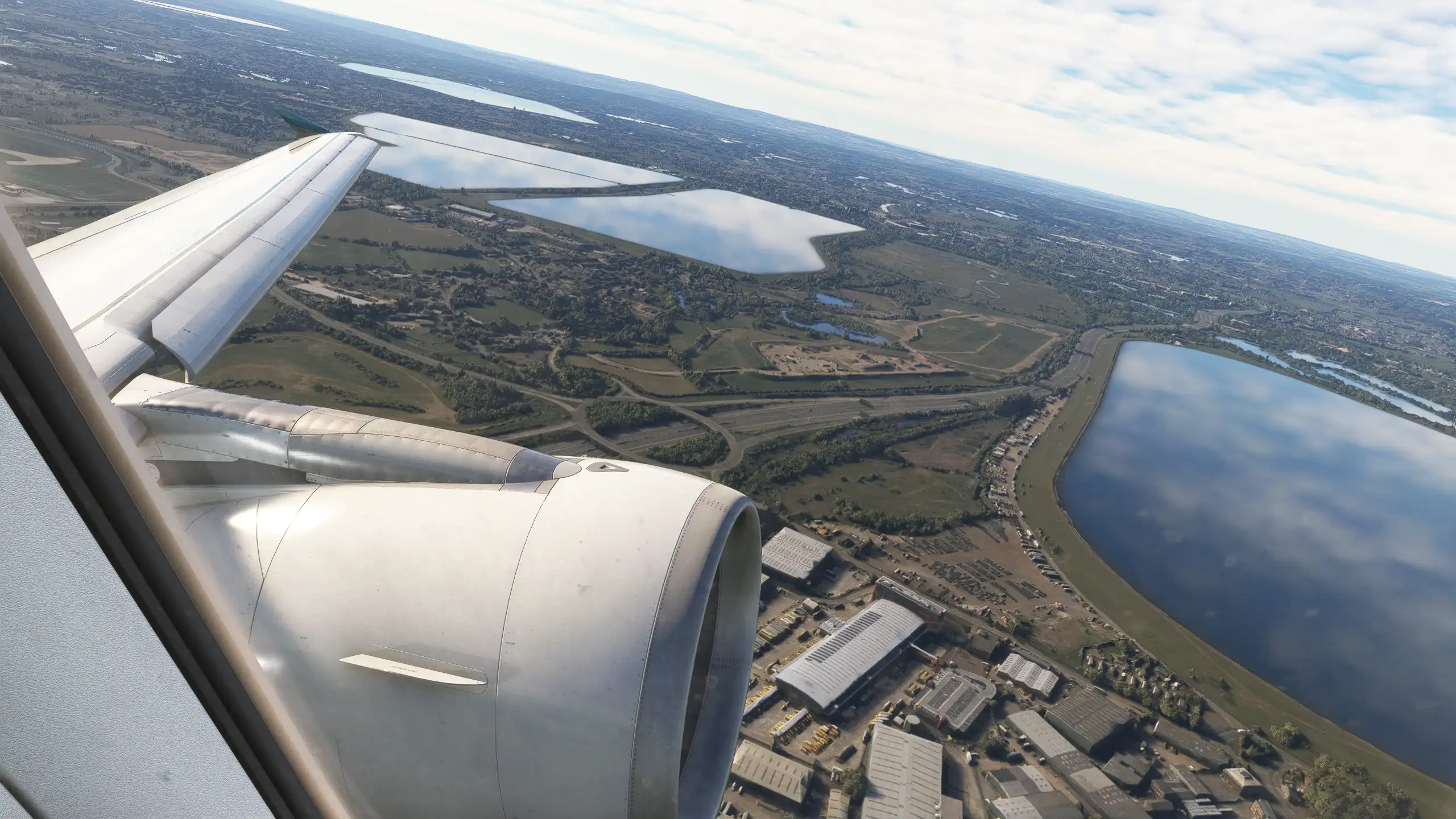
Not long after, I finally gave up trying to “learn” the A320 and parked it in my hangar indefinitely, as flying it was not fun. The atrocious performance, combined with the underwhelming flight model that did not resemble an Airbus family aircraft, the fly-by-wire that felt more like fly-by-prayer because it didn't feel computerized or responsive in any way, shape, or form.
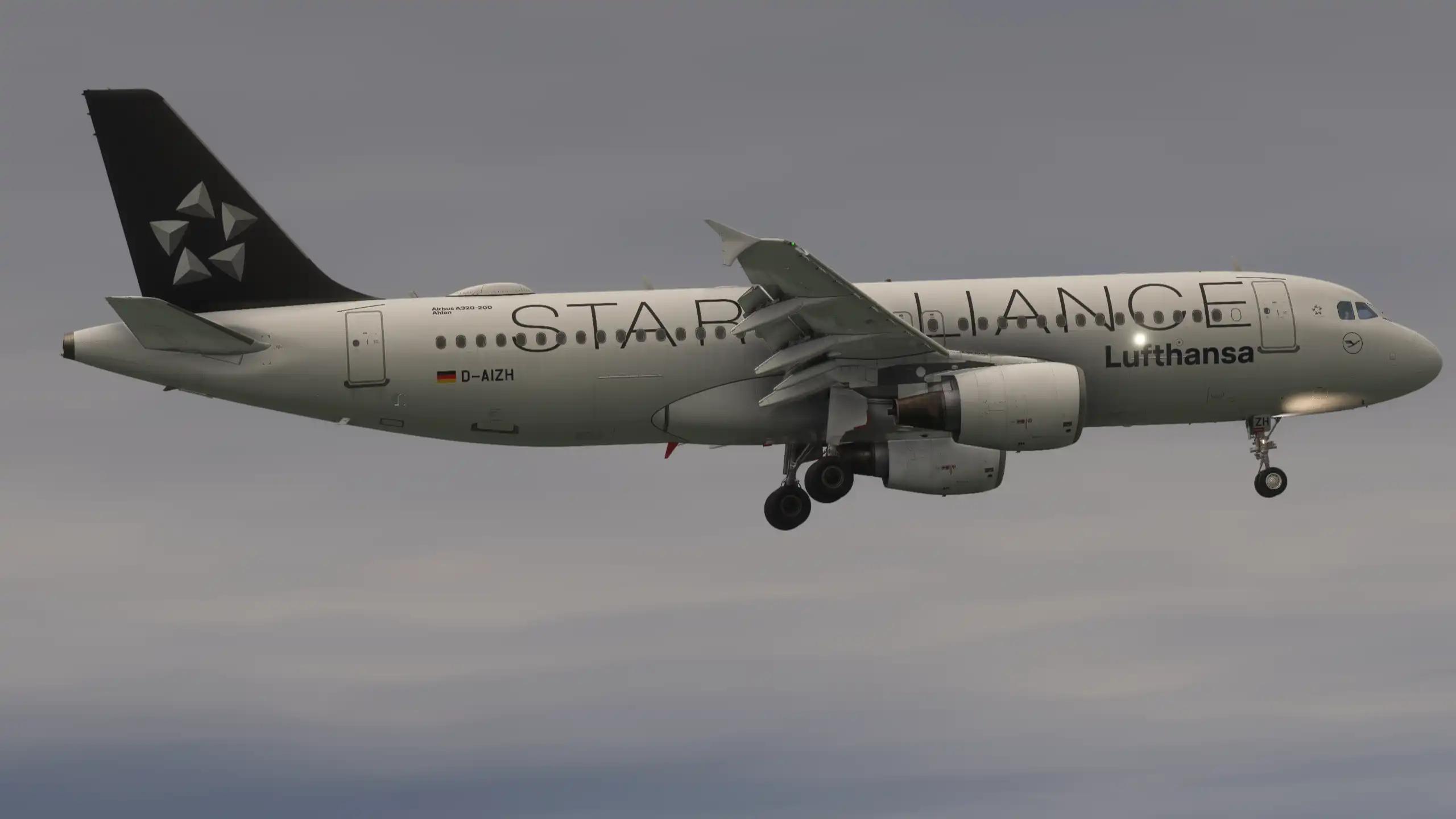
For many months after that, I'd express my thoughts on the A320's flight model in one way or another, only to be crucified by the ferocious fanbase and discredited due to not holding a type rating. In all fairness, it is valid enough, but one does not need a type rating to figure out something is wrong when it does not even land properly if you follow the FCOM instructions. A study-level airplane that did not fly the book when it boiled down to the most important things.
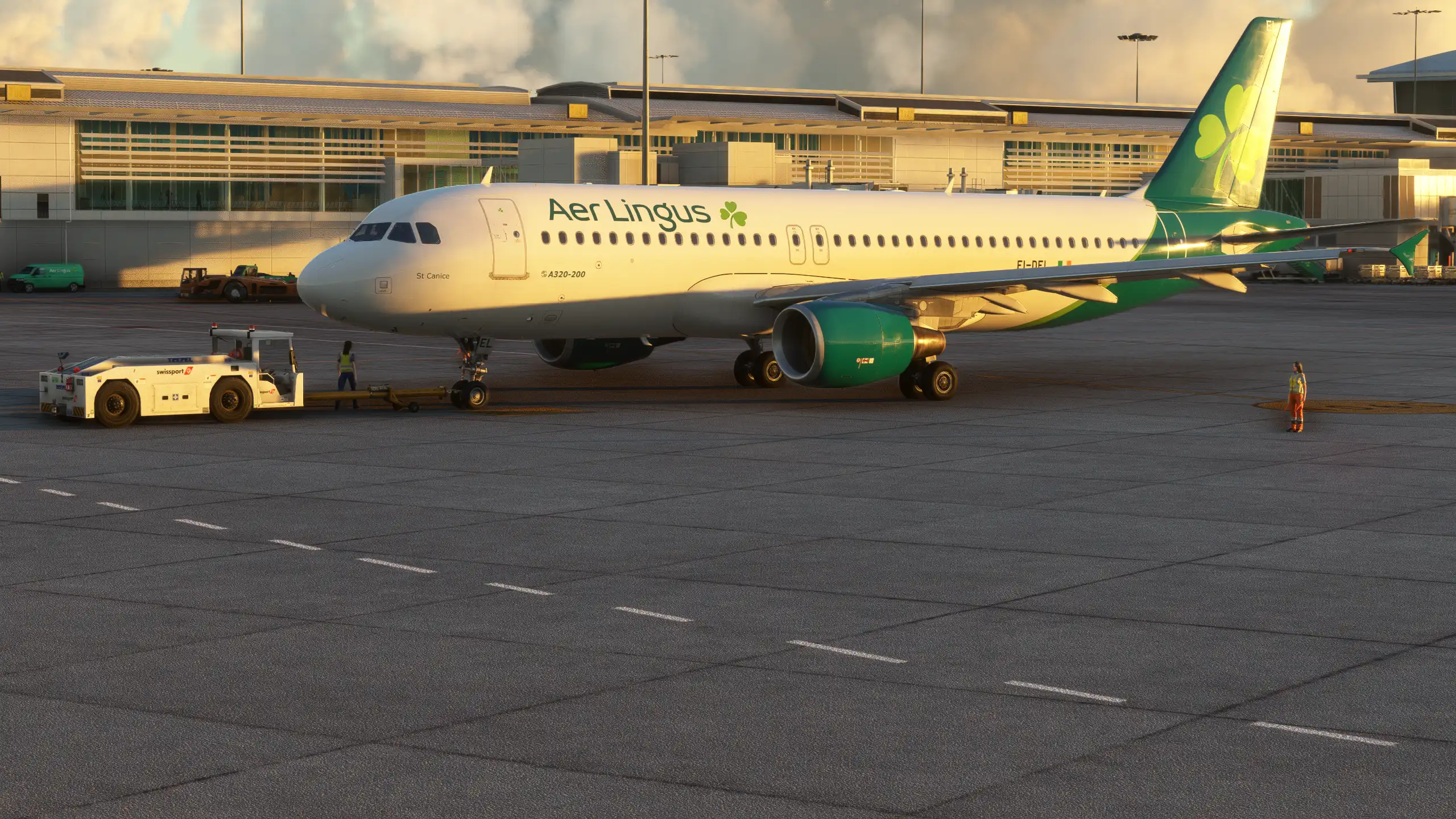
If you thought the landing behavior was the only lingering problem with early Fenix, you'd be wrong: the vertical navigation was also all over the place, not properly following speed restrictions, being too slippery, and requiring an enormous amount of babysitting. The real A320 is said to be rather tame, doing a lot of it by itself in managed mode. It did not feel one bit like an Airbus.

To give credit where credit is due, Fenix worked hard on trying to address most of these lingering issues, and one of their first attempts at fixing the landing behavior was decent, except for the fact they “forgot” to model the drag coefficient for the flaps, meaning the plane was an absolute pain in the neck to slow down on final. However, flaring and landing felt marvelous once you did get it to slow down. Unfortunately, the update that fixed the drag coefficient ruined the landing behavior. If memory does not fail me, it was still the best landing behavior until the latest major update.
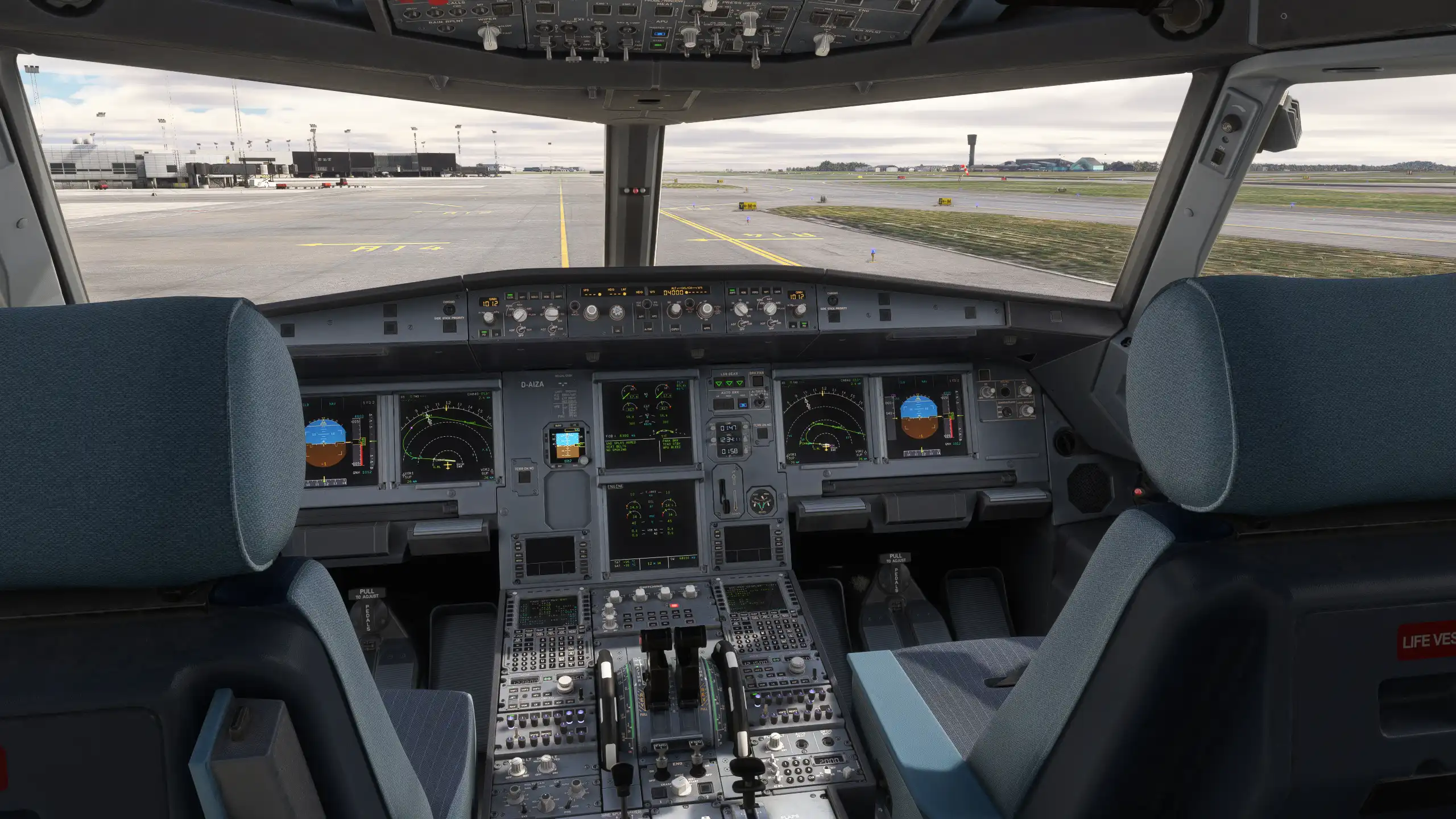
Block 2 was supposed to be the "holy grail" that would finally address all of that, on top of adding IAE engines with a custom external engine model, accurate fuel flows for both CFM and IAEs, new ECAM fonts, performance improvements, and it looked as if it was finally the long-awaited day where they'd finally make their Airbus feel like an Airbus. Admittedly, the stick dampening simulation was good, and it was better to land than before, but still too floaty. Rather floaty than spanky, though, right?
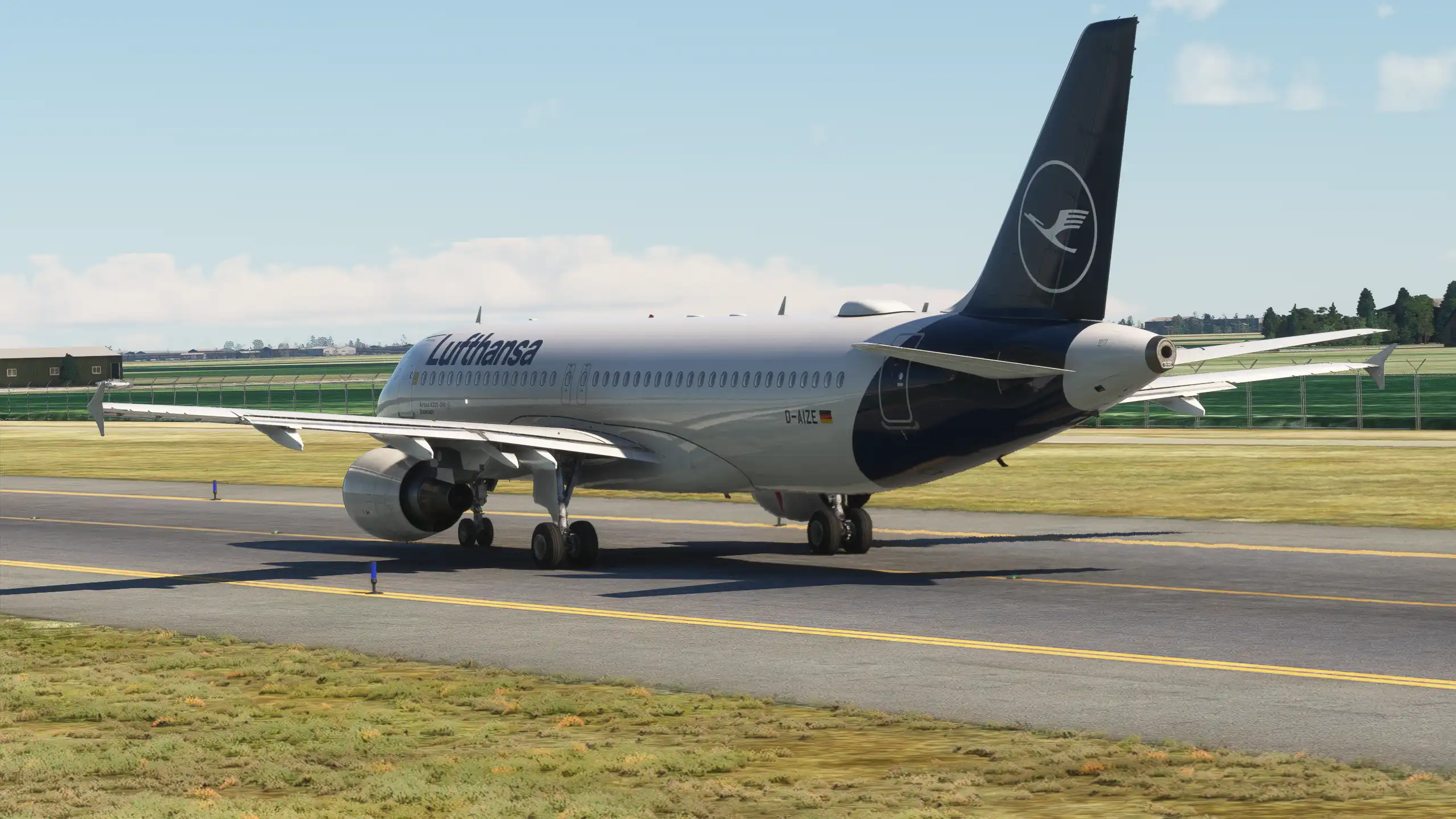
For the most part, I was happy with Block 2, and even happier with Block 2 V2, which brought even more improvements, some specifically targeting the behavior on landing and rotation. Surely enough, it was still not there, being a bit too floaty for my taste, but relatively flyable, albeit a bit weird to land still due to how much input was necessary to get the airplane to flare properly: you had to nearly fully deflect the stick to get any response on landing, and that would worsen out quite significantly once the performance dipped below a certain threshold, introducing a wild input lag: imagine flaring at 40 feet, only to have it respond at 20.
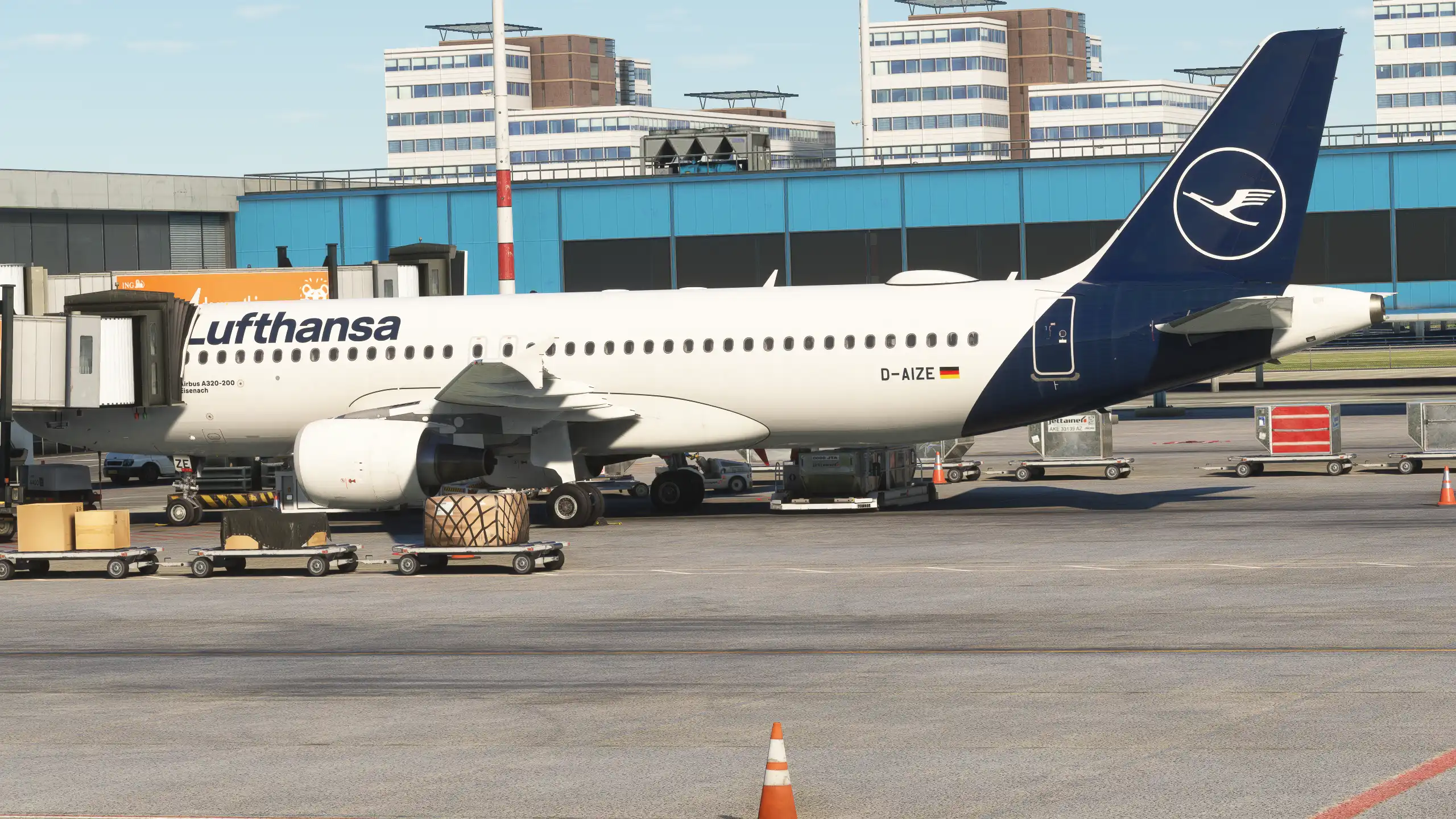
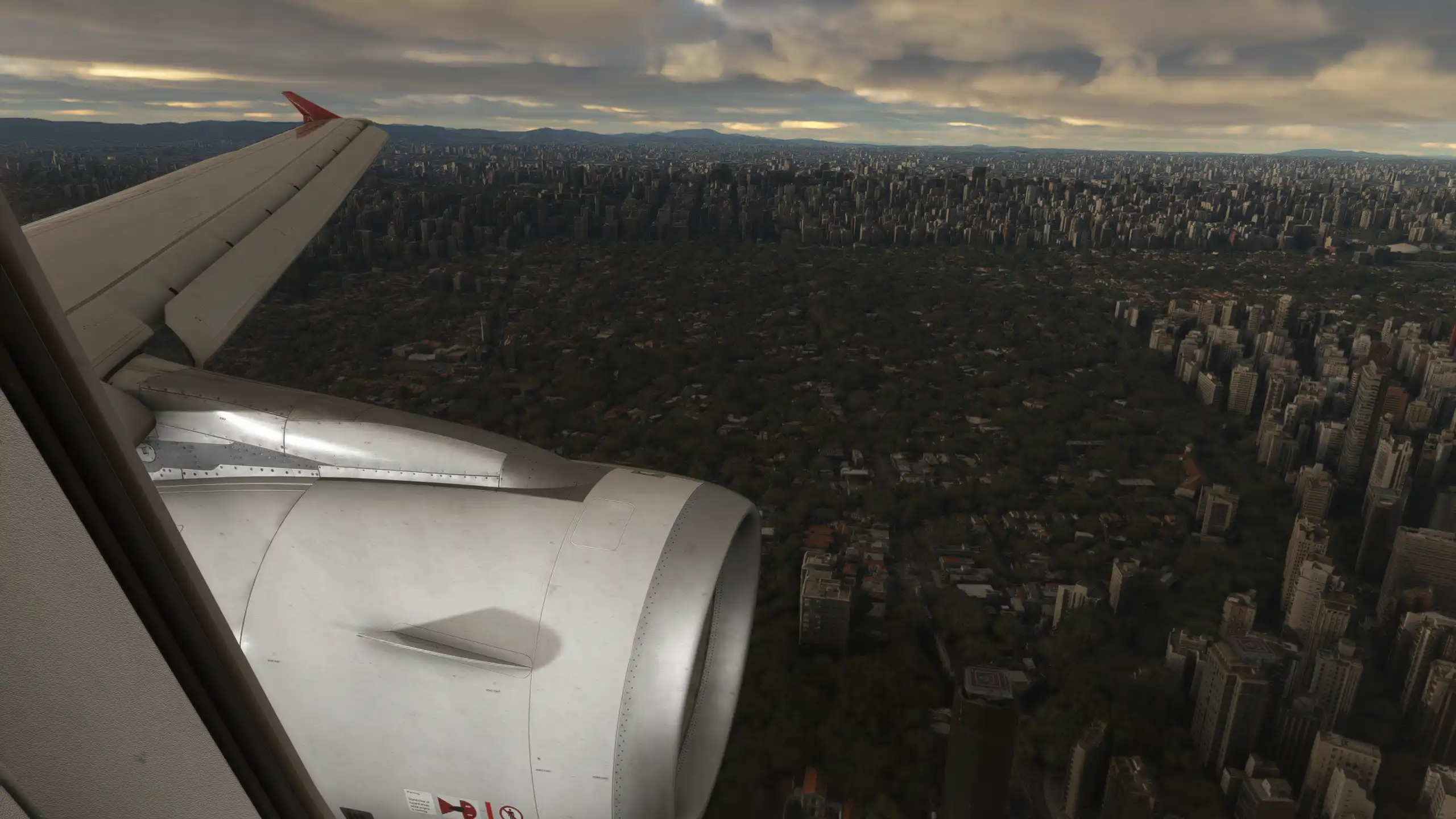
That input issue with low framerates made it unflyable on my rig at the time (32 GB RAM, Ryzen 7 3700X, and a 3080), as sub-20 fps was commonplace around any major airport. This meant I could only take it for a spin in non-demanding areas like South America and Africa. North America and Europe were an absolute no-go, guaranteeing a disastrous experience.
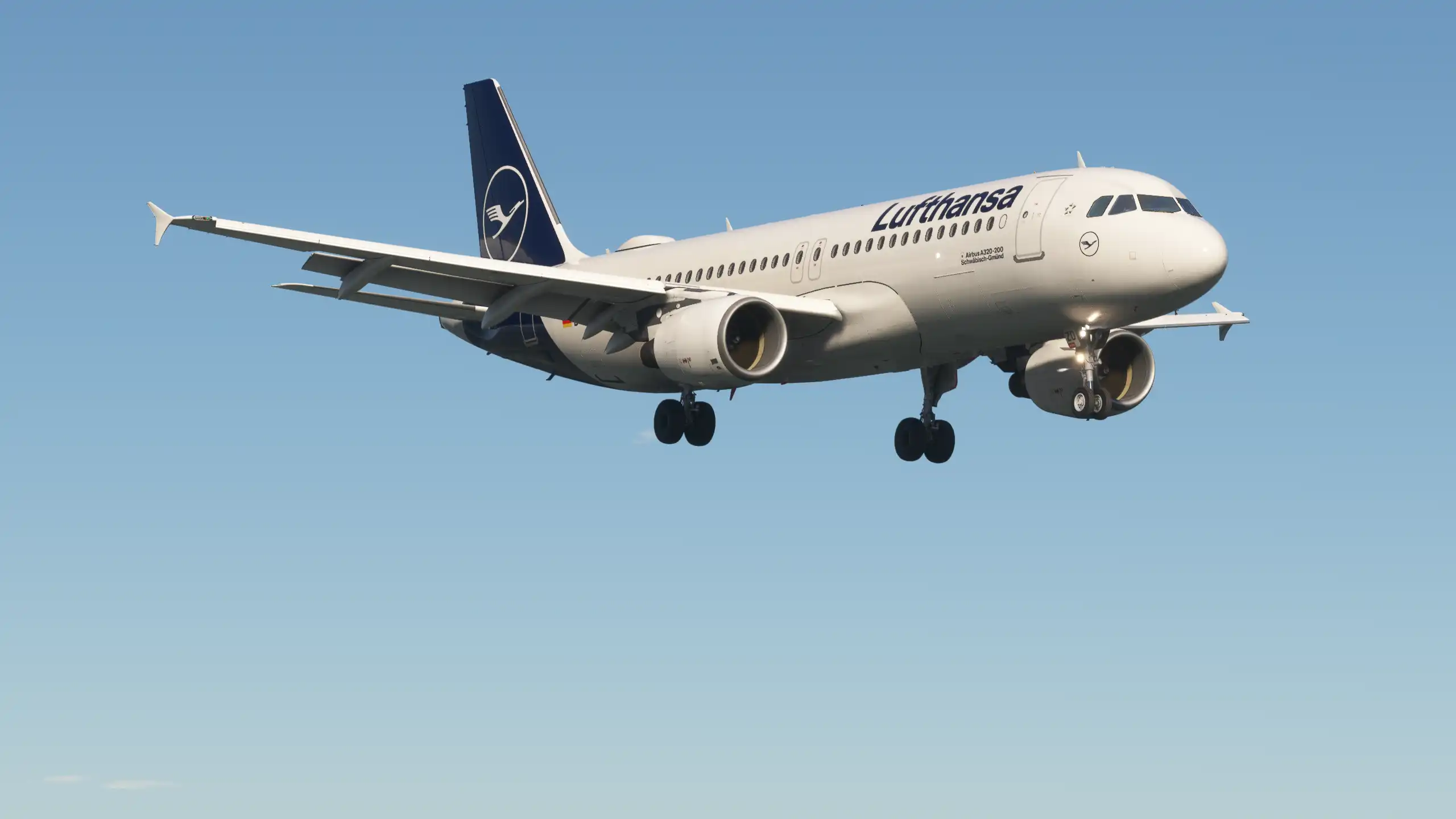
Thus, this time, not exactly due to the flight model per se—which still wasn't perfect but tolerable—I had to once again put it back in the hangar until they'd either improve the performance or my bank account grew enough to allow me to afford a new computer.
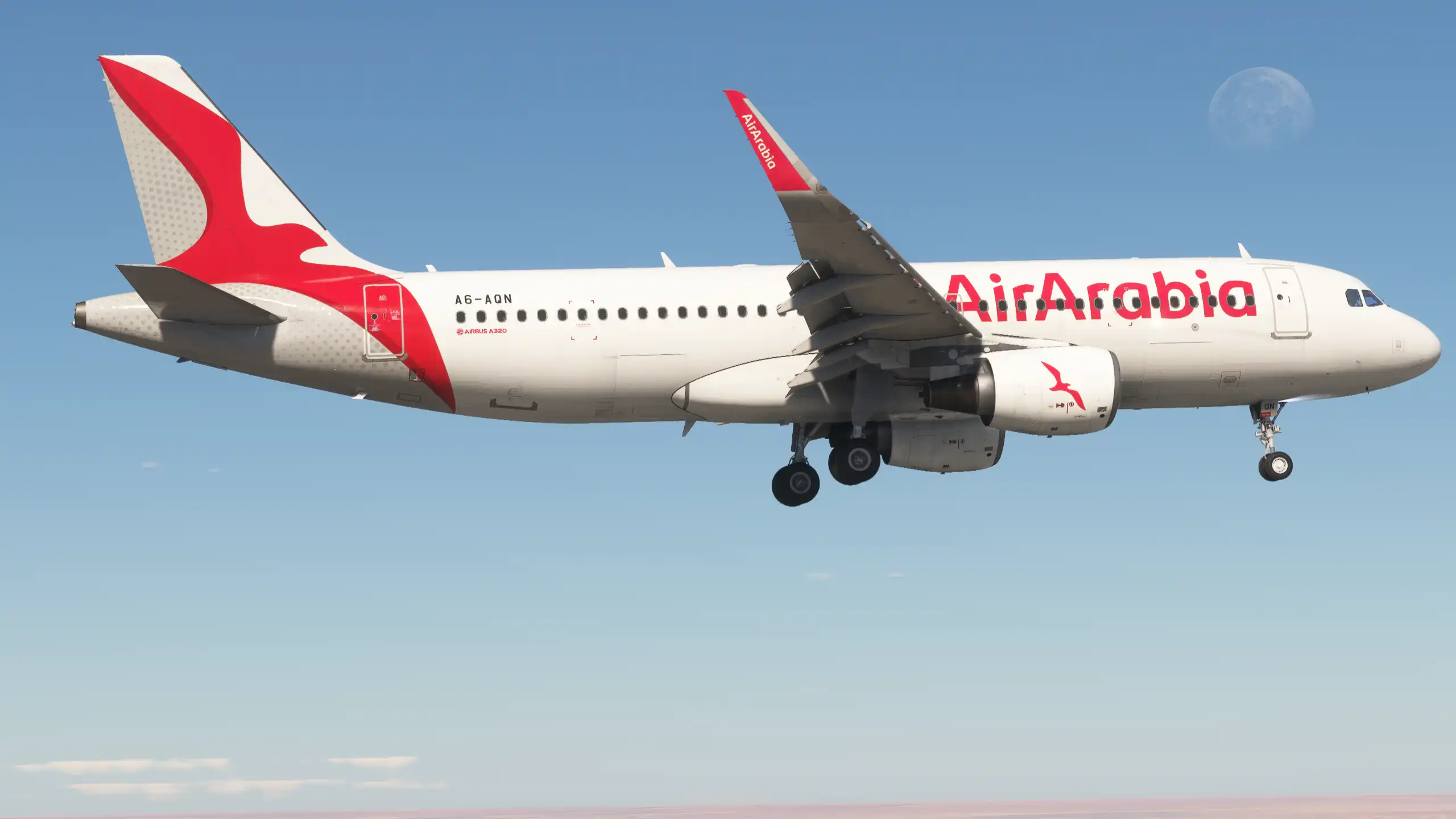
Before my plans for the new rig came to fruition, a "new" player entered the Airbus market: FlightSimLabs and their A321ceo. While the 3D model and sounds were not as good as what Fenix managed to achieve, the flight dynamics, system depth, and the extra features made it my go-to Airbus in Microsoft Flight Simulator 2020 without looking back, to the point I did not bother reinstalling the Fenix once I finally got my new computer.
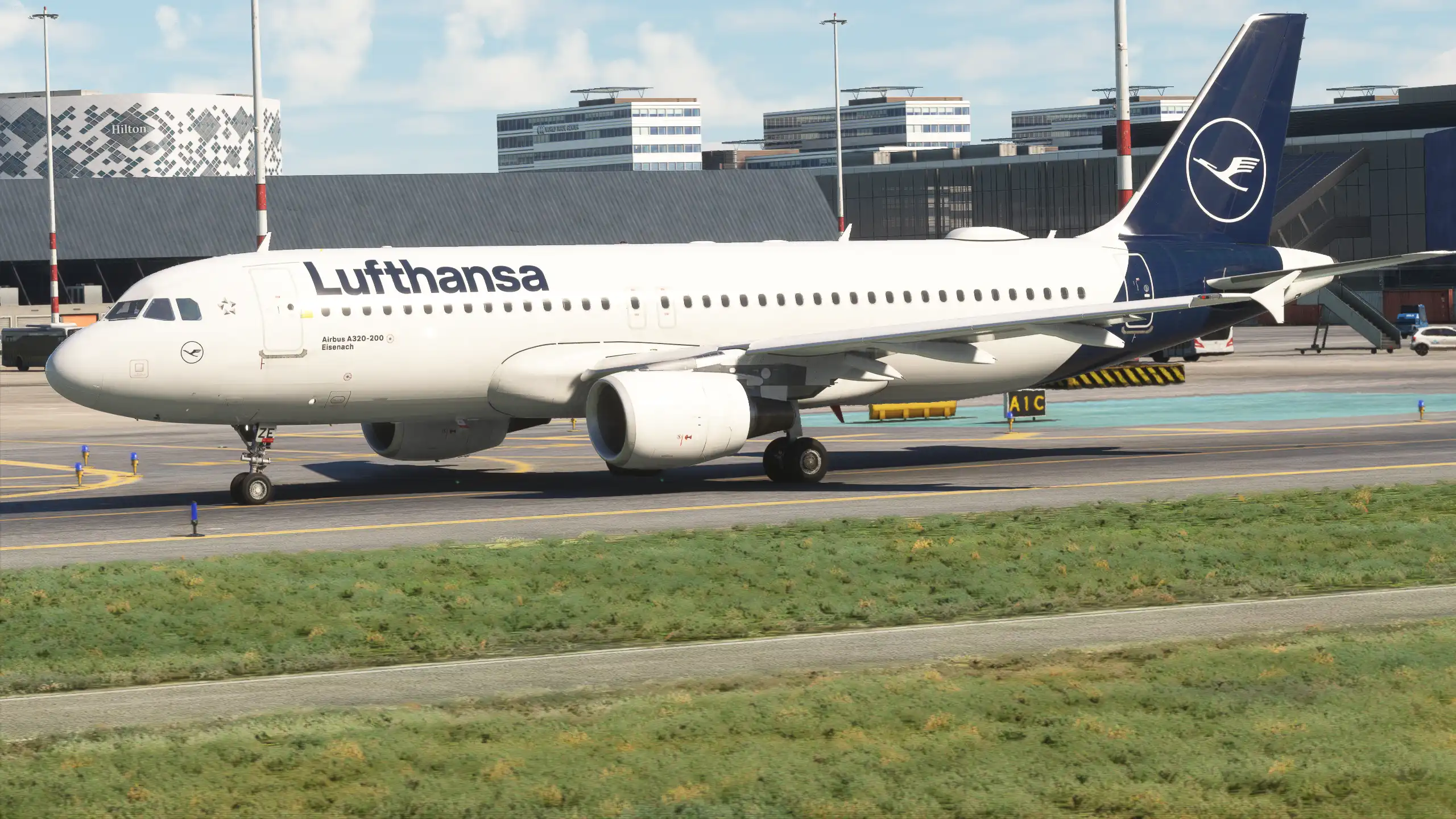
Shortly after that came the A321neo—also by FSLabs—keeping me distracted for two months. I didn't see a point in installing the Fenix again, given that I knew it still had many flaws, one of which impacted a part of the flight that I found crucial: the landing, something that was never really a problem with the Labs.
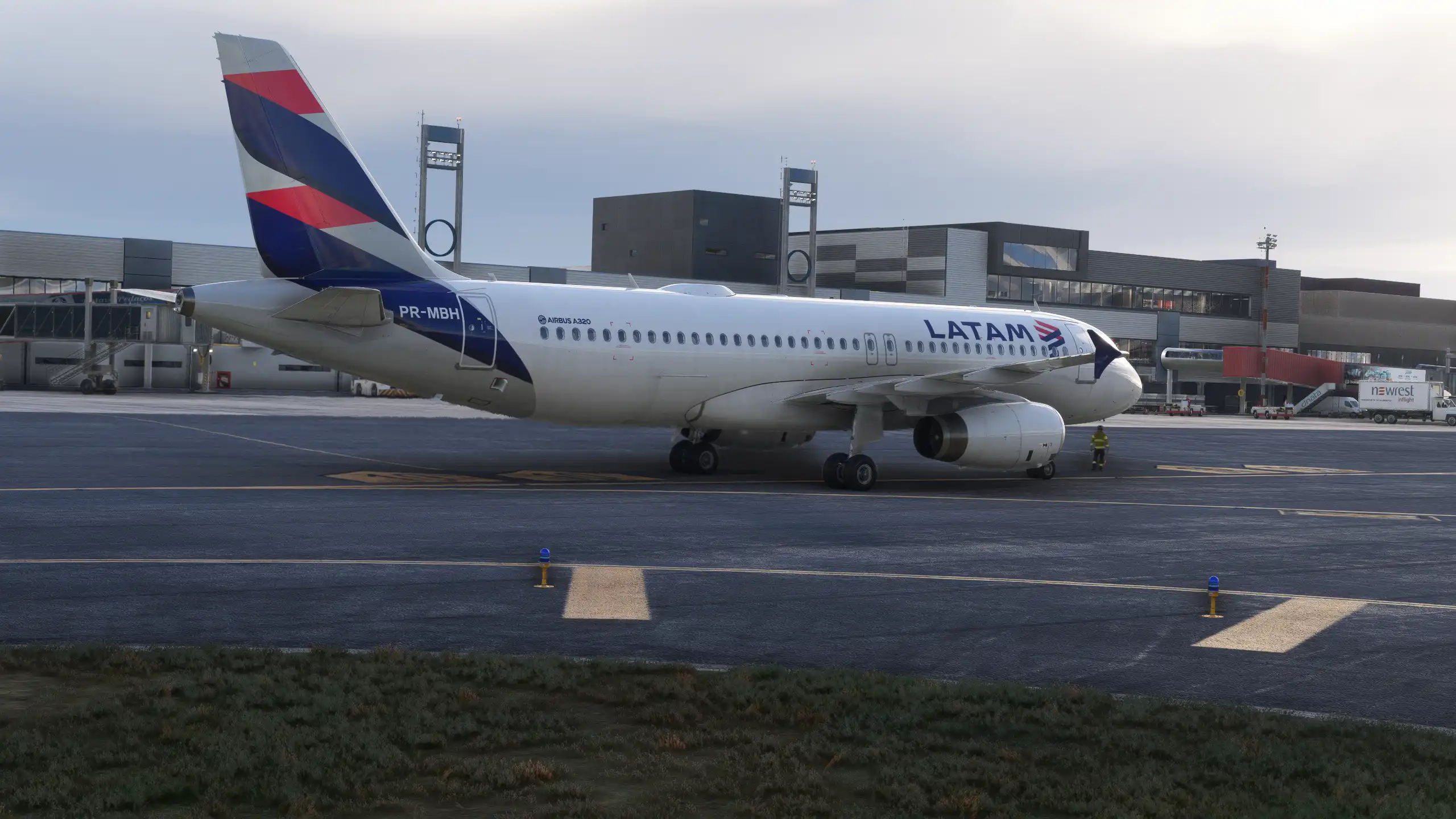
The Big Fenix Update got me admittedly curious, though, especially after Aamir said they had analyzed well over 900 thousand real-life Airbus landings from every variant possible. Quite an impressive data set! But then again, how many times have they made bold claims that turned out to be underwhelming in the end? I was once again skeptical, to say the least. But a part of me wanted it to be true, as I missed flying the A320. The A321 is fun and all, but there are many routes you can't fly with that due to either runway length limitations, lower seating demand, or its absence in the operator's fleet.

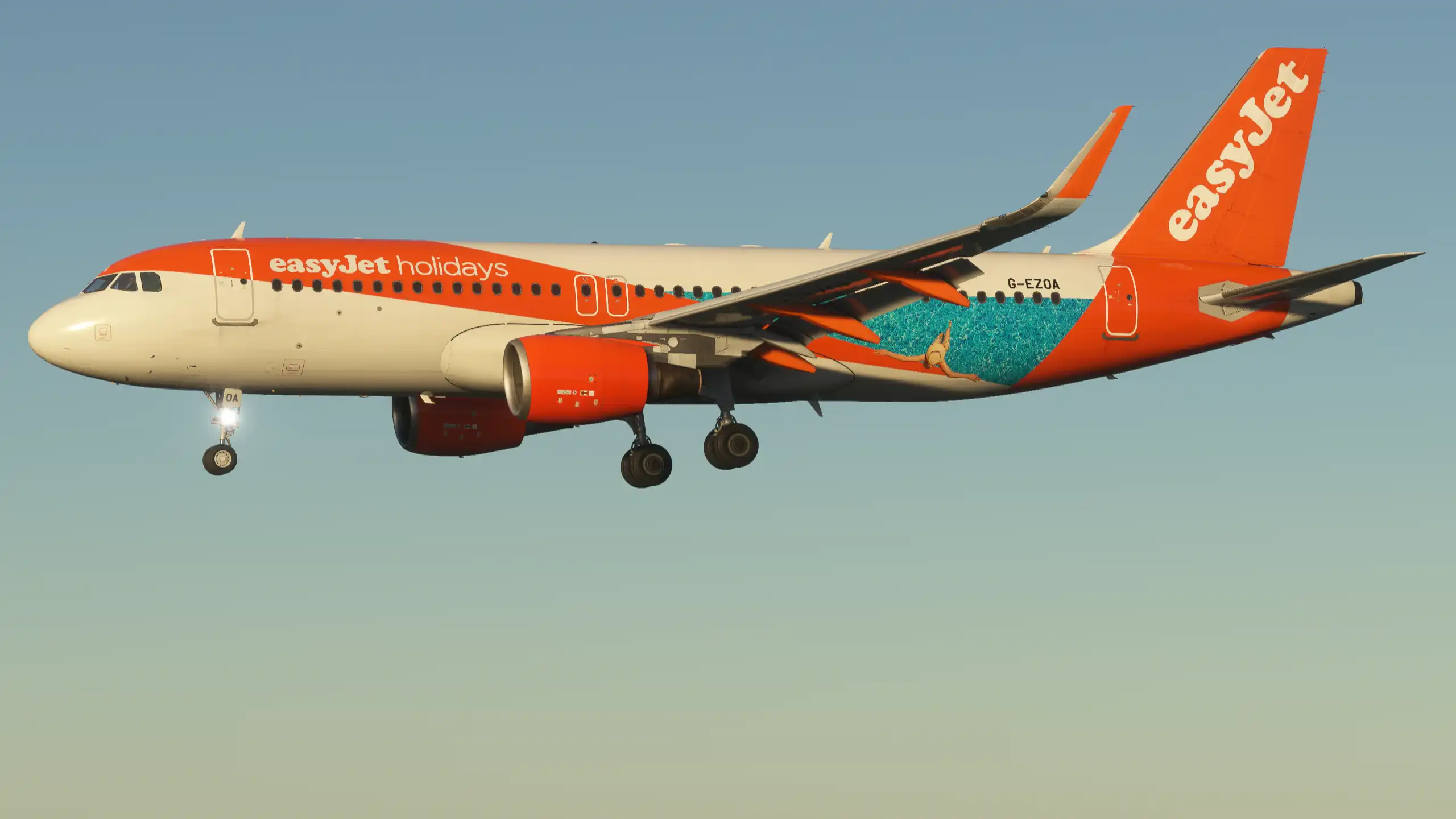
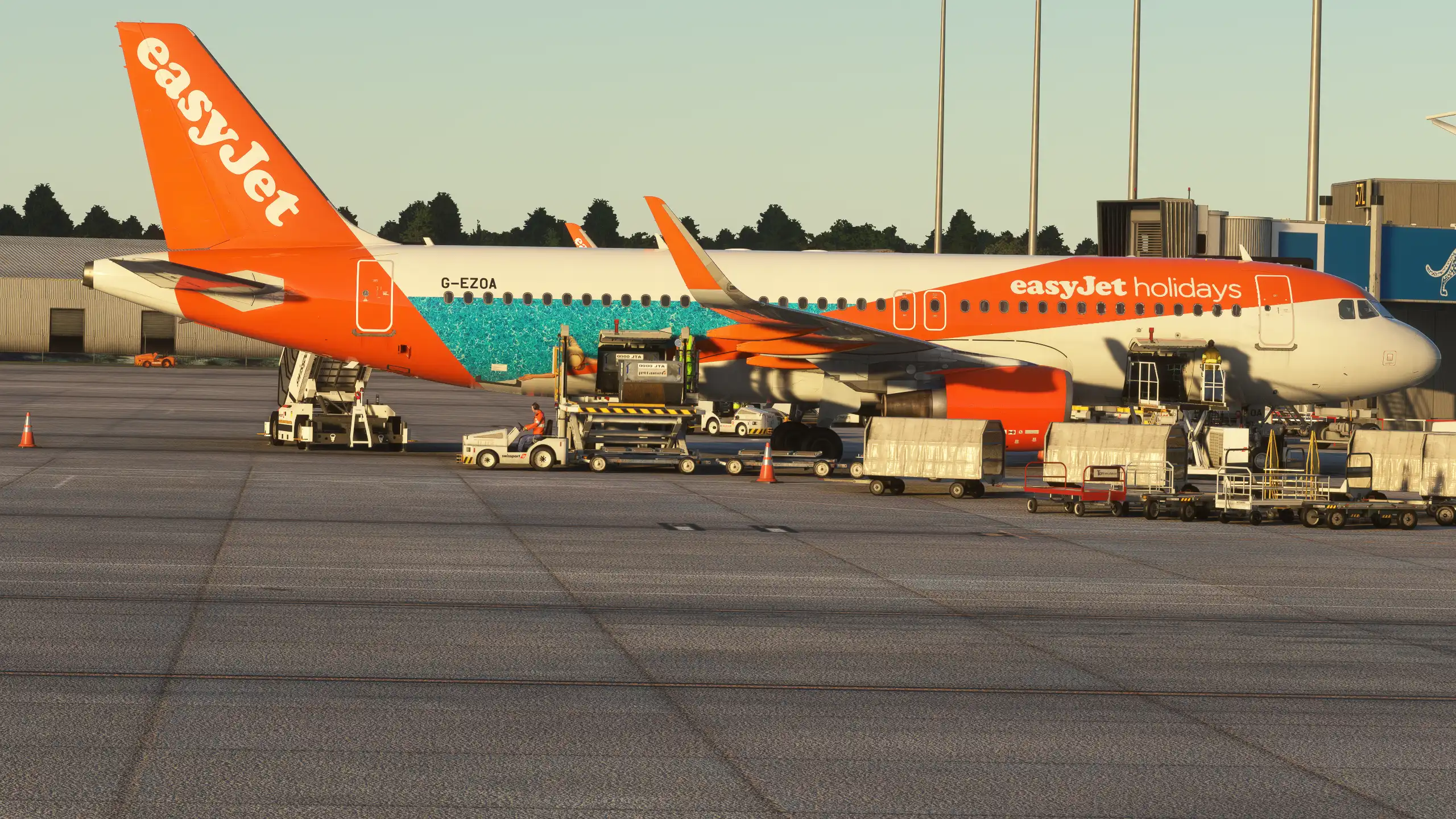
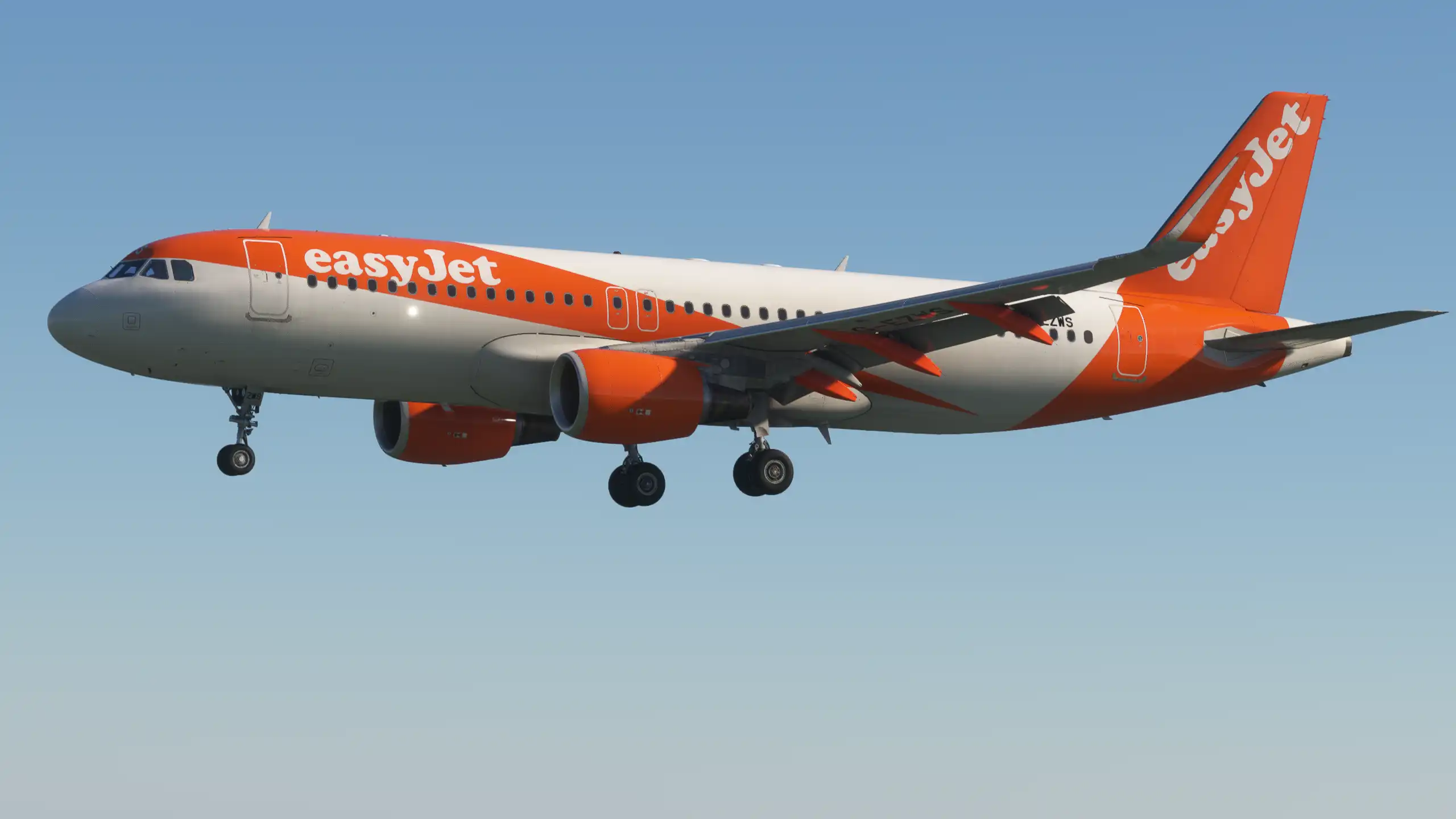
The first flight was from Belfast to Birmingham with an easyJet A320SL. I had never touched the Fenix sharklets before, even back then, as I shelved it due to performance issues, so I was curious as to whether it would be objectively different to land as it used to be with the FSLabs in Prepar3d.
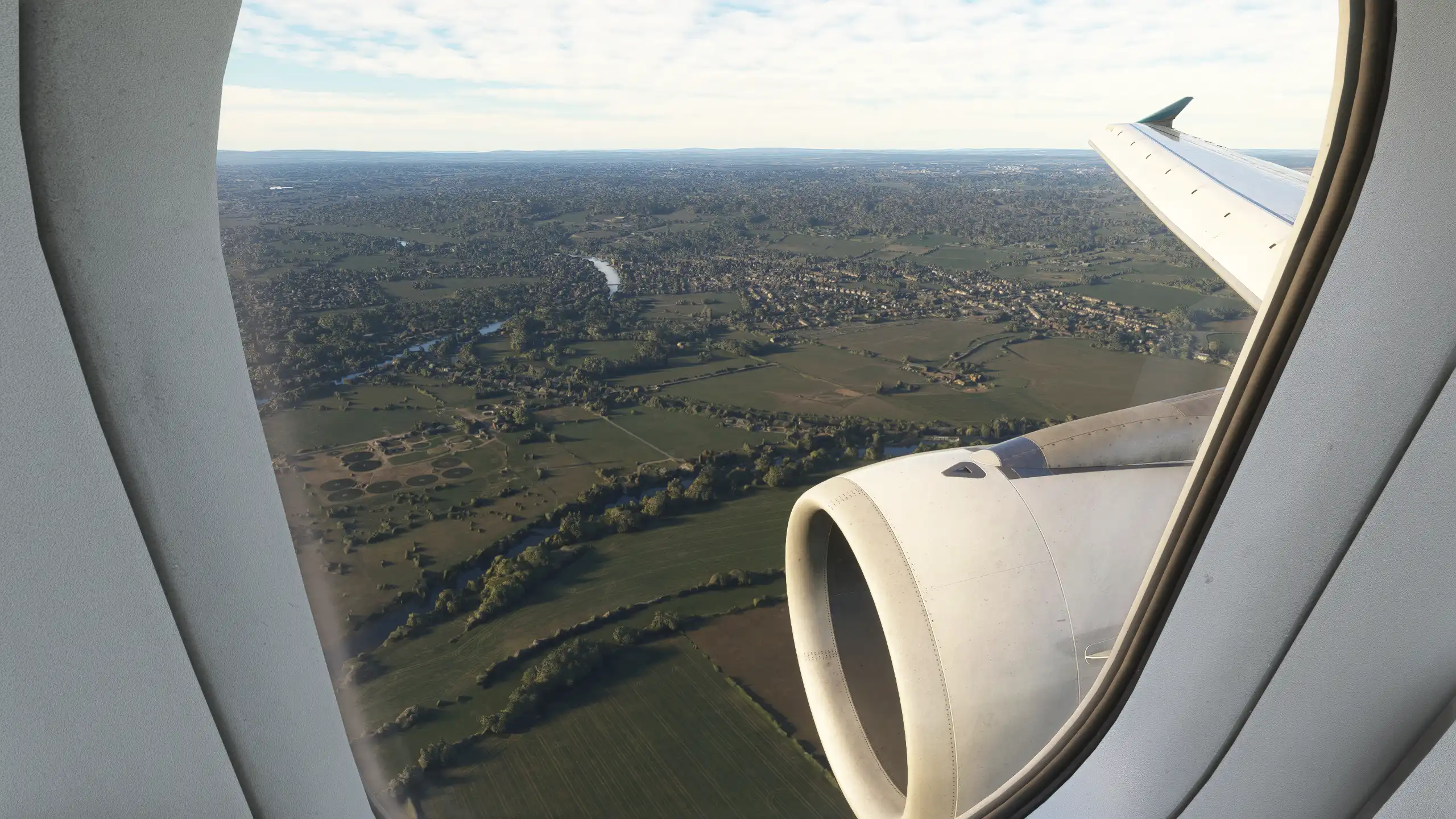
A part of me wanted to idle it at 40 ft on landing and flare – just like I used to do in P3D –, but I feared it wouldn't work as I heard they weren't so different at all landing-wise in MSFS, so I went for a more conservative approach and flared first, cutting at 20. It felt weird, but a good kind of weird, as in, not behaving as it otherwise would before the update, reacting responsively and naturally, allowing me to control the arrest properly. Got a -160 on my first attempt!

The second landing back in Belfast was not as buttery, but it wasn't the flight model's fault or anything: I was trying to properly gauge the right timing for the sharklets. Figuring out the landing mechanics for any plane generally takes a bit, and it would be no different with this one. The subsequent landings improved as I became acquainted with the necessary amount of deflection and so on.
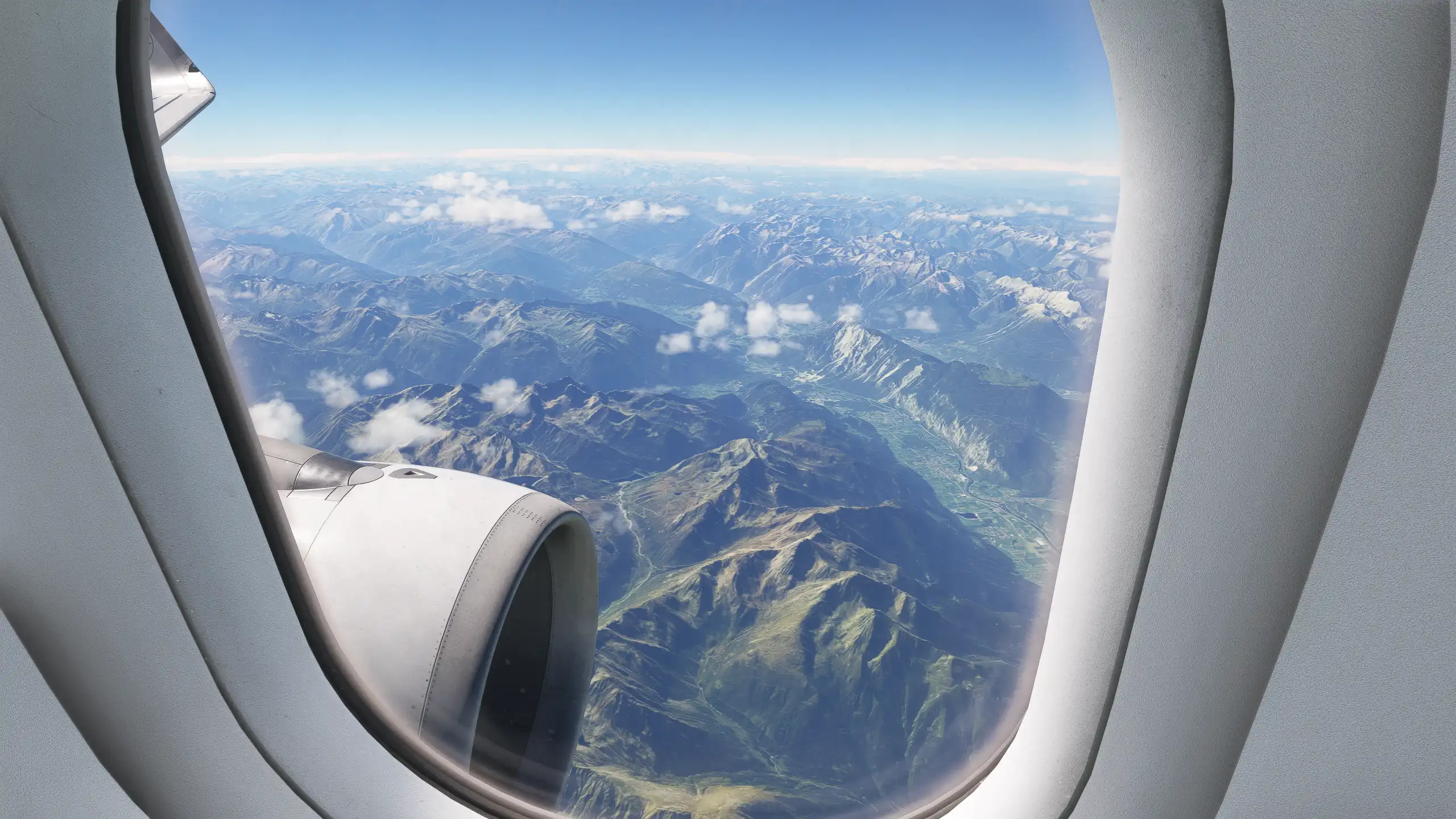
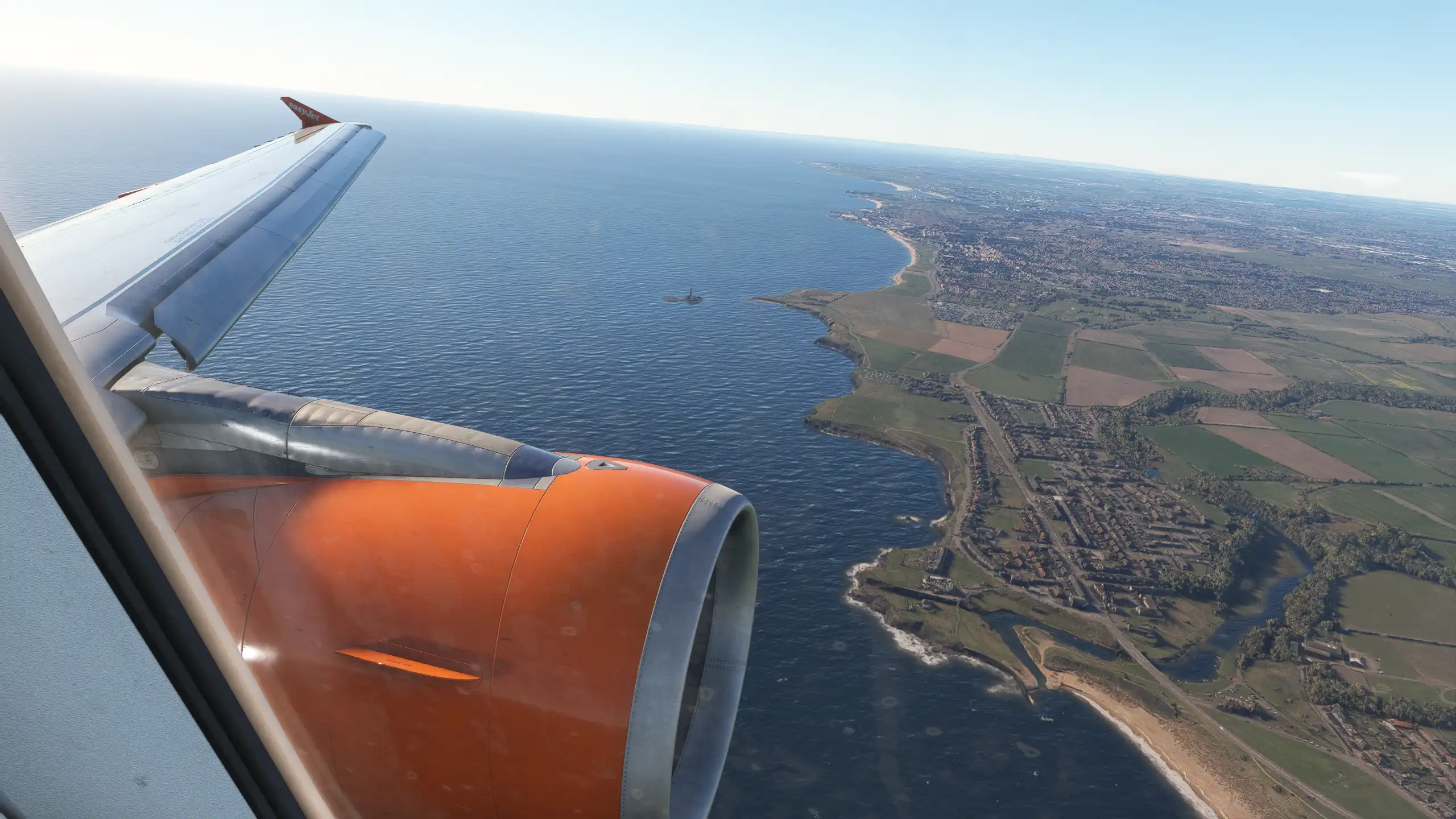
The wingtip fences surely felt a bit different when I took them for my maiden spin post-BFU, from Bristol to Newcastle. It was an incredible -25 on what felt like a super hectic arrival thanks to a sudden weather update on short final, massively increasing my airspeed and nearly jeopardizing everything, but I could easily control the flare and arrest all that extra energy without even eating half the runway. Even managed to vacate well before the opposite threshold.
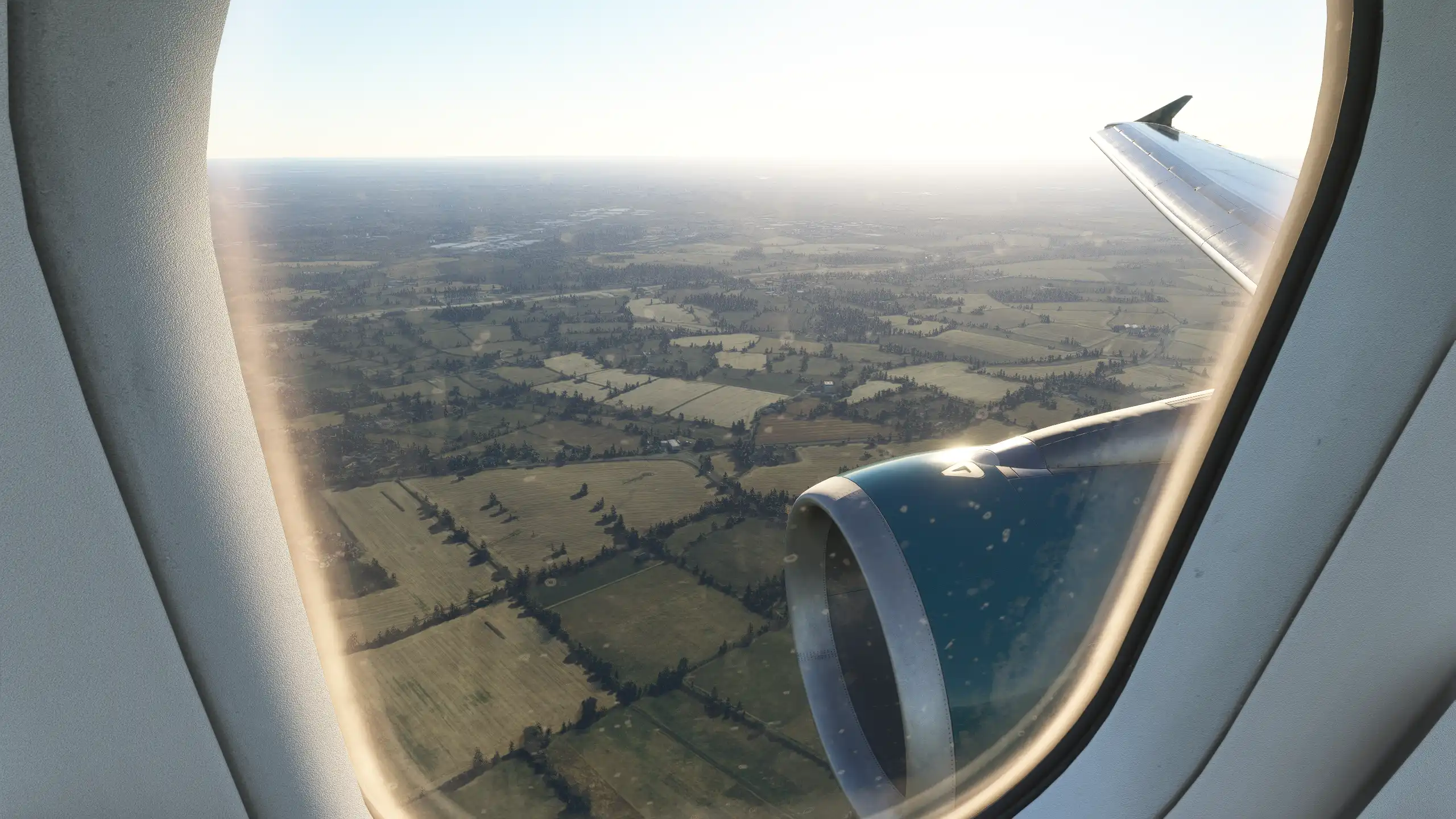
That amount of control during the flare phase wasn't there before, as the controls felt overly stiff and unresponsive. It required a lot of deflection and prayers so that the plane wouldn't either float down the runway or react too late to the input and dig a crater on the asphalt. From BFU onwards, I could now easily get my plane to sit on the runway exactly where I wanted it to and even salvage approaches that would have otherwise been unsalvageable.
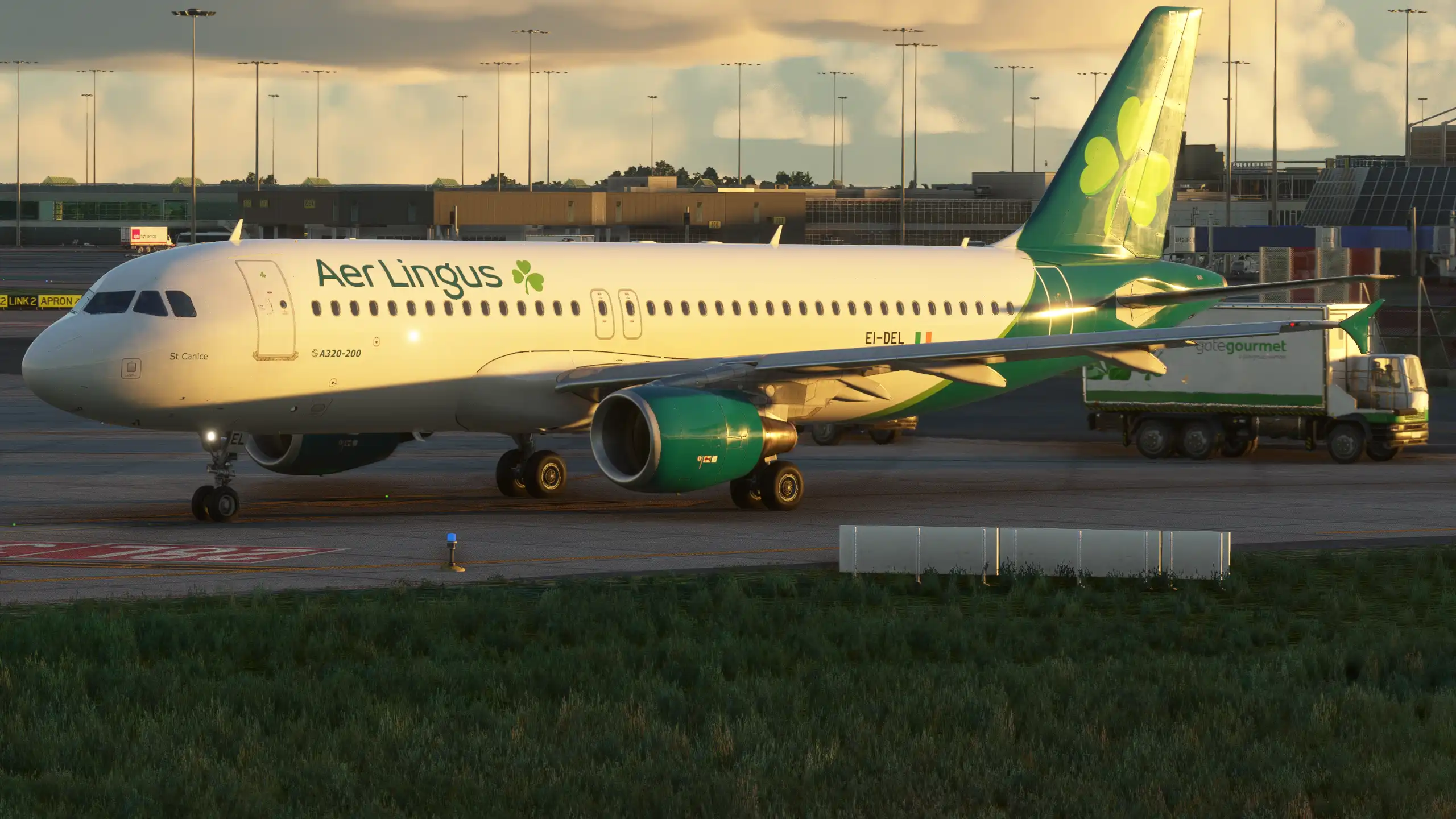
The changes to the flight model objectively transformed my perception of their product. While I still think many things need further work, like the vertical navigation, the drag coefficient on the flaps, maybe a little bit less bounciness on the ground when taxiing around, it is definitely enjoyable to fly now. In contrast, I do not recall having much fun with it beforehand. The good modeling, sounds, intricate systems, all the bells and whistles didn't amount to anything in the end of the day as the cherry on top to crown the flight is a good landing where you get the aircraft to do precisely what you wanted to, and that was not always a given before, leading to many frustrations. I couldn't have fun. Had it been a Prepar3d add-on, it would have been fine, perhaps the best of them all, as their terms of service do not allow entertainment usage.
Once they roll out the VNAV changes they have been working on for quite a while now, and maybe even implement a Minimum Equipment List and service-based failures, it wouldn't be far-fetched to put it on the same pedestal as the FSLabs. At the moment, though, there is still some work to be done to get there, but they are headed in the right direction.
I have been enjoying the update so much that I'm confident I logged more flights with it within the past couple of weeks than I had done between 2023 and July 2025. That alone says quite a lot.
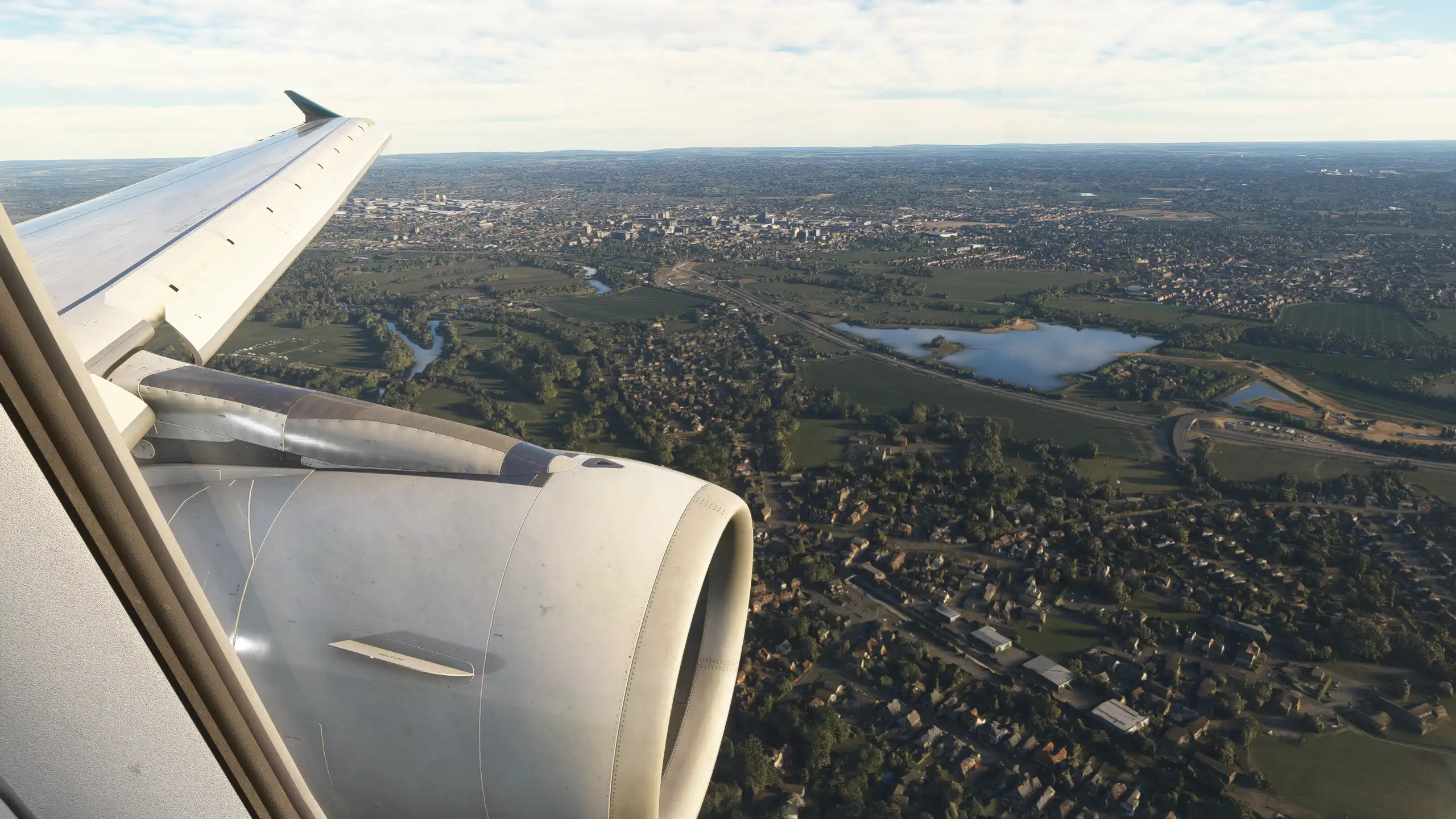
The performance also caught me off guard positively. It always gets well above 40 fps in demanding areas, nearly 60 elsewhere, and with my terrain LOD only going as low as 100 with autoFPS and as high as 400 during cruise without any stutters or hitches. My old 3700X could never! It still baffles me to look out of the passenger window and see credible terrain outside rather than mashed potatoes shaped like buildings and streets.

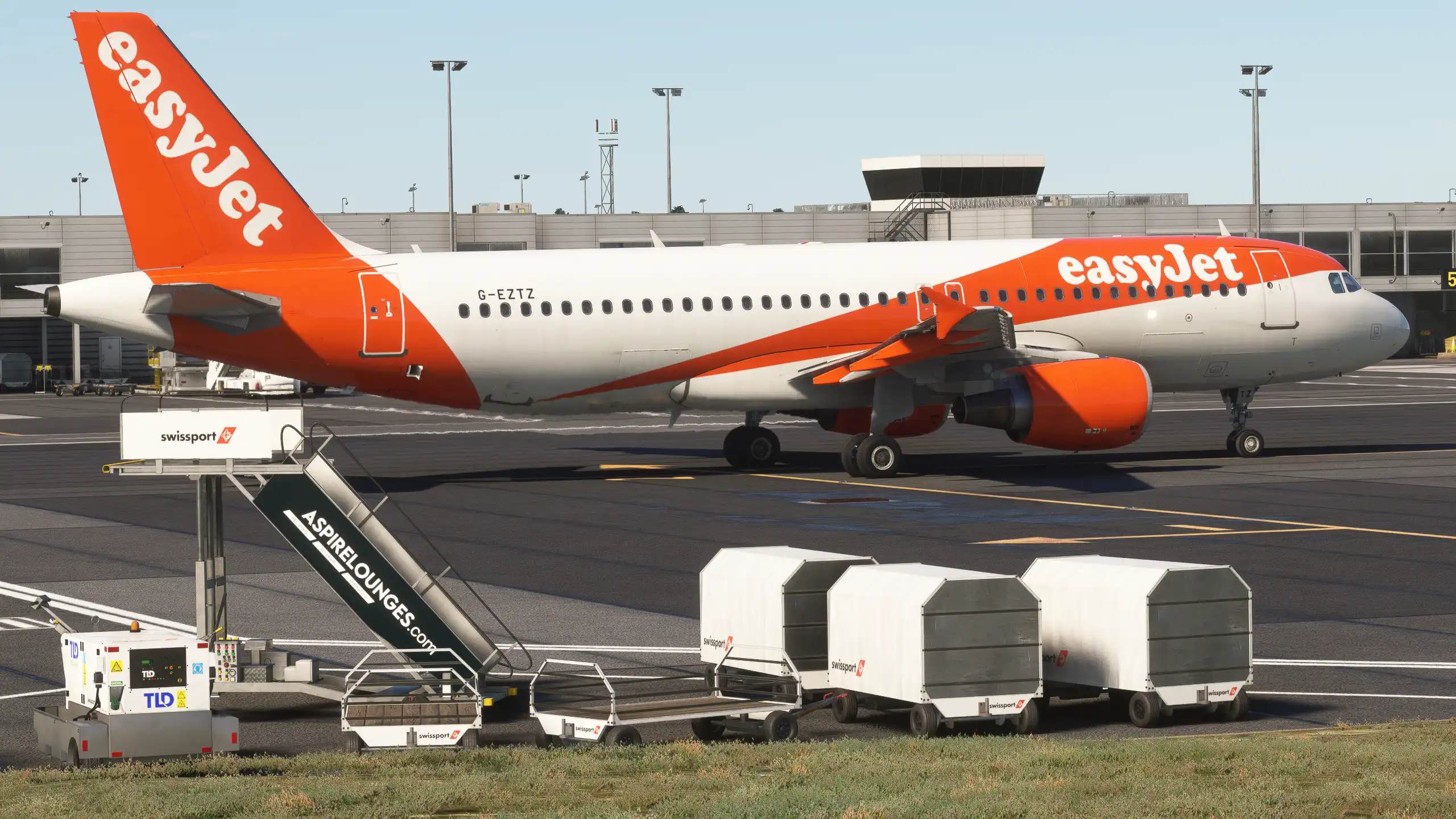
I'm even considering buying their expansion at some point because of the A319, as easyJet still uses that a lot for their domestic legs, and most of my favorite British airports have more A319s based there than A320s. As for the A321, I still would use the FSLabs over it.
This has been truly a transformative update, as landing their bus was my main gripe with the Fenix—a gripe big enough to prevent me from flying it a lot, given that landing is very important to me. An Airbus that doesn't land like an Airbus just wasn't selling the thought of actually flying this majestic bird. Now, I can finally live my fantasy again and fly endless domestic hops in the United Kingdom. I'm looking forward to where they are going next with their updates.
Share this page


COMMENT ADVISORY:
Threshold encourages informed discussion and debate - though this can only happen if all commenters remain civil when voicing their opinions.

.webp)

.webp)
