Threshold Review: Pyreegue Dev Co.’s Birmingham Airport for MSFS 2020/2024
August 1, 2025
Introduction
Birmingham Airport (EGBB) is an International Airport serving the West Midlands in the United Kingdom. Its yearly average of 12.8 million passengers makes it the seventh busiest airport in the country.
The idea for an airport in Birmingham was first conceived in 1928, and a committee was created shortly after to research possible locations to start building. After much deliberation, Elmdon was deemed the best of the bunch, but the project soon went back to the drawing board due to the Great Depression. It wasn’t until 1933 that works resumed, with a new committee formed to oversee its construction.
Before taking any steps, though, the newly formed committee went on a research trip to multiple successful airports in Europe, such as Schiphol (Amsterdam), Berlin (Tempelhof), Paris (Orly), Brussels, and London.
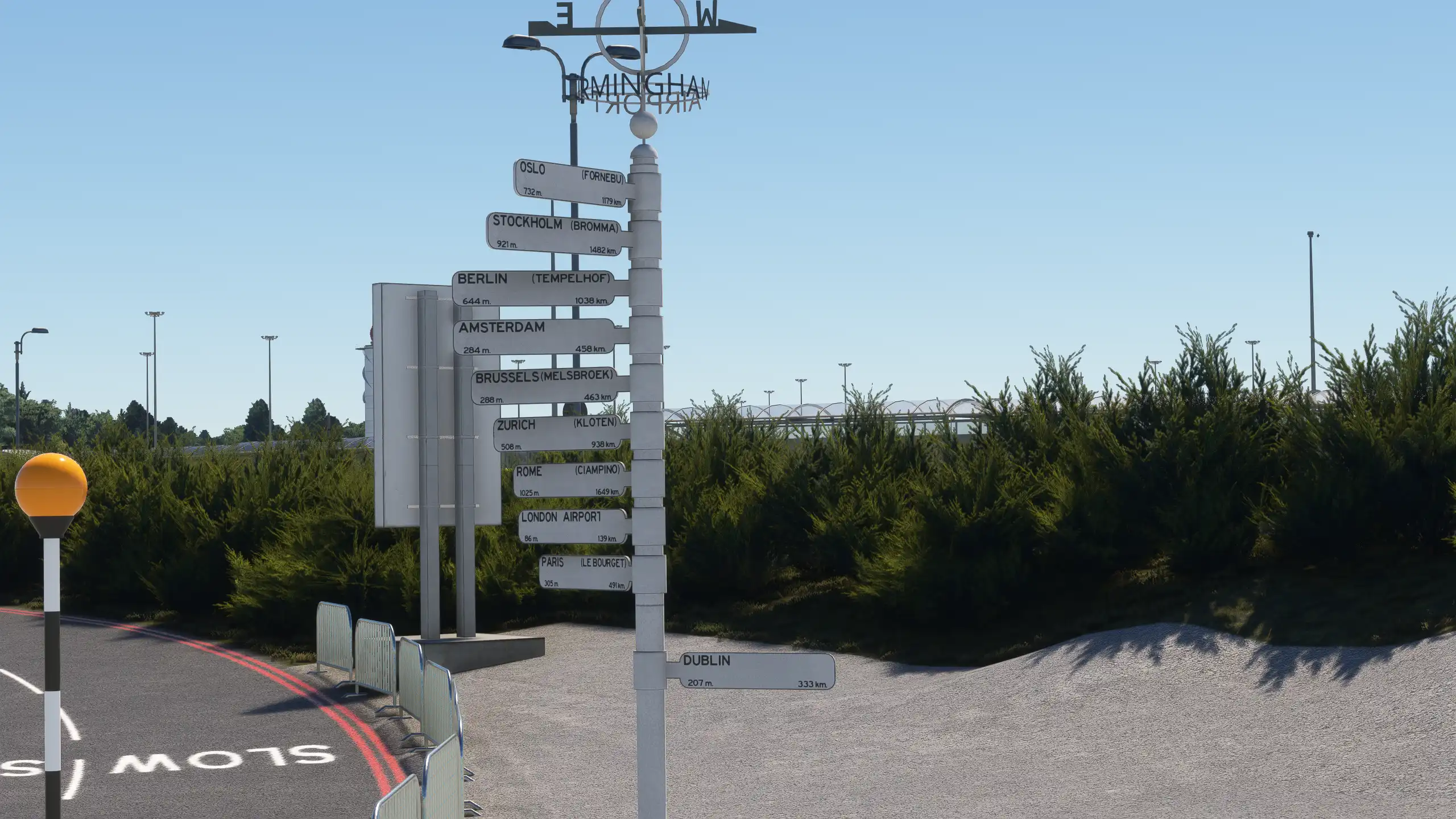
By January 1935, they had finally approached a company—Norman and Dawbarn—to advise on the construction and help design the airport as lead architects. Groundwork started in 1936, after the government allowed the airport’s development.
A year later, in 1937, Norman and Dawbarn were authorized to begin drawing the airport’s project, the undertaking of which took 6 months to reach completion. It was not until October 1937 that the construction of the airport’s buildings would start, costing around 360,000 pounds.
Prime Minister Neville Chamberlain opened the airport in July 1939 as Elmdon Airport. The terminal featured a modern (for late 30s standards) art deco design with an integrated control tower and was the airport’s main terminal until 1984.
The airport was requisitioned by the Air Ministry to be used by both the Royal Air Force and the Royal Navy as RAF Elmdon during World War 2. The military “occupation” replaced the original grass runways with two hard runways, 753 meters in length and 1,271 meters in length, respectively.
It was used as a testbed for Avro Lancasters and Stirling bombers manufactured in northeast Worcestershire. These bombers were transported via land to Elmdon because their local airport didn’t have a long enough runway.
On July 8, 1946, the airport, which was celebrating its 7th anniversary, was reopened for civilian use, albeit still government-controlled.
Scheduled services started in 1949 with British European Airways, flying passengers to Paris. Over the years, the airline eventually expanded its network to Zürich, Düsseldorf, Palma, Amsterdam, and Barcelona.
In the early 1960s, they built a new terminal to handle international traffic and extended the main runway to 2.2 km, allowing the airport to handle larger turboprop aircraft and jetliners.
By the beginning of the 1970s, Birmingham Airport was already reaching a million passengers per year, significantly congesting their subpar terminal infrastructure.
In the 1980s, BHX became home to the world’s first commercial maglev system, a train levitated by magnets. This system ran for nearly 10 years but eventually faced discontinuation due to unreliability. It was replaced by a cable-hauled system in 2003.
In late 2007, the airport’s administration devised a development plan for Birmingham called “Towards 2030: Planning a Sustainable Future for Air Transport in the Midlands.” The plan included changes to the terminals, alterations to the airfield layout, and infrastructure improvements. Unexpectedly, environmentalists and locals complained, as they didn’t want the construction of a second parallel runway.
The original plan—now canceled—could have created up to 250,000 jobs in the area, made the airport handle up to 70 million passengers annually, and led to around 500,000 aircraft movements in total.
In 2008, the shorter runway (06/24) was decommissioned due to its length and noise impact. Instead, it became a taxiway, allowing the expansion of the apron.
Construction work on the new 3-storey International Pier kicked off in June of that same year, taking a bit more than a year to complete. Now, Birmingham Airport was fully compatible with the Airbus A380, which visited the airport during its 70th birthday. It was the first commercial service of the A380 in the United Kingdom that was not bound to London Heathrow.
In 2010, it was announced that they would merge Terminal 1 and 2 into a single building and change the name from Birmingham International Airport to Birmingham Airport. They figured this could help create a new corporate identity that would better reflect their current position in the market and attract more people to fly from it. Research showed that while 8 million people lived within an hour of the airport, only 40% of them used it.
A new control tower was built in 2011, ultimately replacing the original one built in 1939.
The plans for extending the main runway, originally submitted in 2008, were approved a year later, but the work was only completed in 2014, two years after their original target, which was the 2012 London Olympics.
In late 2016, 100 million pounds were invested in building a new baggage handling system and two new car parks.
It’s an operating base for easyJet, Jet2, Ryanair, and TUI Airways, and served by Aer Lingus, Air France, Air India, Aurigny, Brussels Airlines, Corendon Airlines, Emirates, Eurowings, KLM, Loganair, Lufthansa, Pegasus Airlines, Qatar Airways, Saudia, Scandinavian Airlines, SunExpress, Swiss International Air Lines, Turkish Airlines, Vueling, and WizzAir.
Pyreegue’s Birmingham Airport promises an accurate rendition, with custom ground markings, custom ground service equipment, custom jetways, a high-detail model of the passenger terminal and its interior, a custom GSX profile, and more.
Distribution
The scenery is distributed via Contrail and installed through their app.
First Impressions
Birmingham Airport sure takes me back to much simpler times when I was still pretty new to flight simulation, flying short easyJet hops with the A319 or A320 in FSX and – eventually - P3D. It was one of my favorite British airports back then due to the variety of sub one hour legs, taking you to Amsterdam, Belfast, Dublin, Edinburgh, Glasgow, and always without much of a fuss due to the airport’s rather simple layout and overall relatively small scale all things considered (same reason why I’m also super fond of Belfast Aldergrove and Glasgow). It’s pretty quick to get in and pretty quick to get out.
The advent of Microsoft Flight Simulator 2020 got me into many other things that weren’t Airbus, like the 738, the 777. The presence of satellite imagery everywhere also stimulated me out of my “comfort zone”, which was mainly doing easyJet operations in the UK or Eurowings/Germanwings stuff in Germany, many times over. And when I mean many times, I genuinely mean it: Liverpool to Belfast, for example, was done over 45 times alone. And that’s just one of the routes I used to fly very regularly back then.
That did not mean I abandoned the UK or Germany altogether, but it lost its protagonism for the most part when I’d pick a route to fly every night (I’m an avid flight simmer after all), and the fact Birmingham didn’t have a good alternative until now also weighed quite significantly, as I would much rather fly into “triple A” UK airports instead (there’s quite a few to be honest). While that didn’t mean no Birmingham action, it was way less than it otherwise would have been.
When Pyreegue announced Birmingham, I knew I’d have to ask for a review copy, and that’s precisely what I did. It has an immense aircraft variety covering most of the types I fly, and the route network is not shabby at all, covering the aforementioned short hops, a little bit of Germany, and pretty much every hot destination in Spain, to name a few.
The route of choice for today’s review was one of the least flown from the short-ish ones, only done three times: Dublin to Birmingham, with Ryanair’s B738. It should have taken 46 minutes on paper, but fate had a little surprise for me.
The funny thing is that the night I did that flight was exactly when Fenix released their update, which really tempted me to install their A320 again and give it a whirl from either Belfast or Edinburgh, but I was exhausted and didn’t want to put up with setting up cameras and stuff again, opting for what was at hand at the time, the mighty 737-800.
The journey went as uneventfully as possible until FL100, when my power went out rather briefly and unexpectedly. This would have nearly ruined my journey if not for a secret card under my sleeve: autosave! I had fortunately triggered a manual save right before the top of descent, meaning I only lost roughly 15 minutes of flight time, excluding the time the simulator takes to load up.
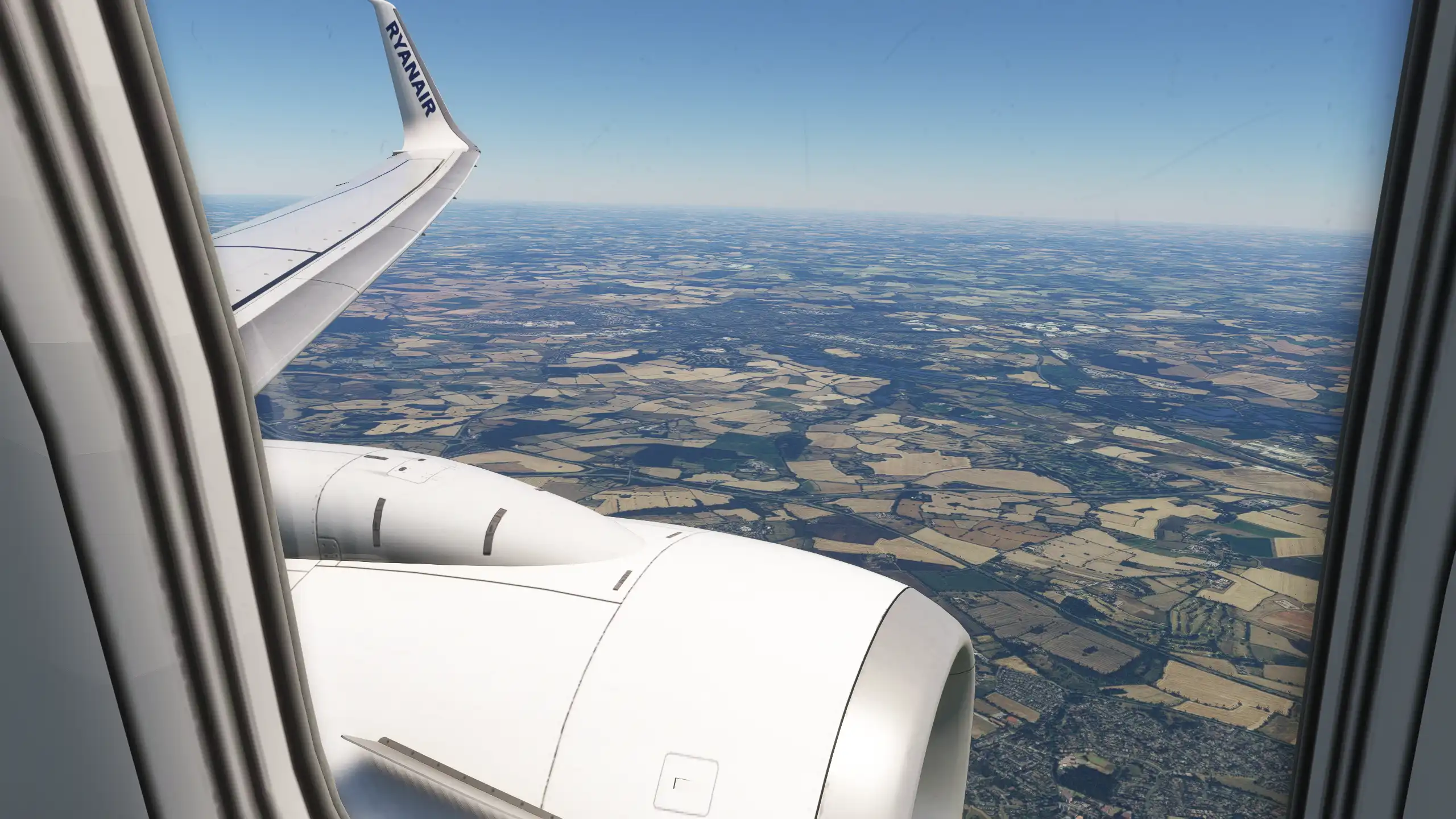
Unfortunately, loading an autosave means broken live weather and camera controls (you can’t bring up that sliding menu at the top), which was both a blessing and a curse. Landing without any wind and standard barometric pressure is not terrible, albeit unrealistic, and it would allow me to look around without any pesky murky clouds (not that it would have been a problem otherwise, as the weather was fine in Birmingham).
As expected for a windless approach, everything was fine and the nearly fully loaded Ryanair 738 was down safely and sound on runway 33, ready to vacate and find its way to the stand.
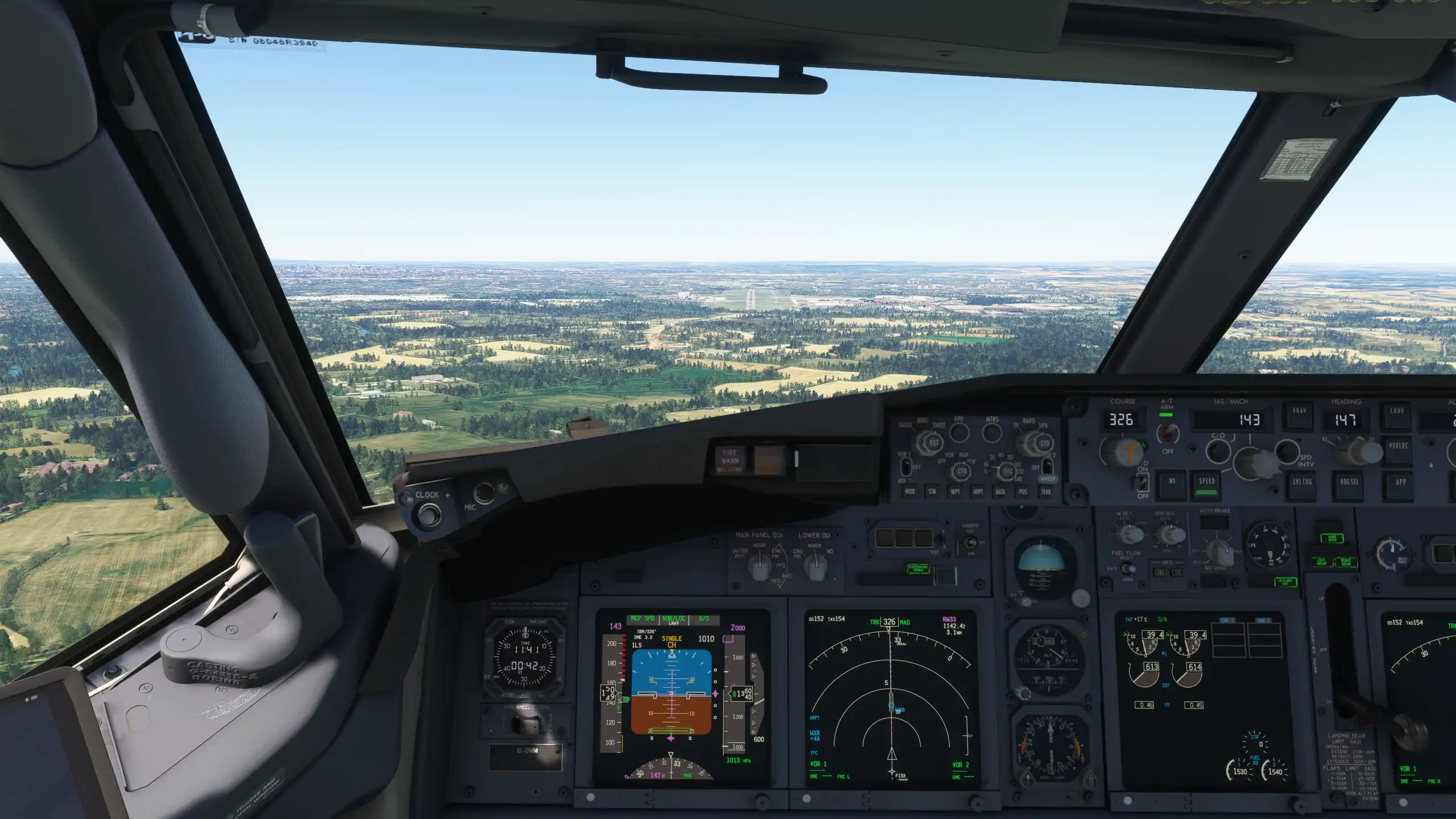
The first thing that caught my attention was the ground texture quality, which was as sharp as ever, as expected from Pyreegue. That also meant autoFPS had not absolutely murdered my terrain LOD to keep the framerate above the desired ballpark (more on that later).
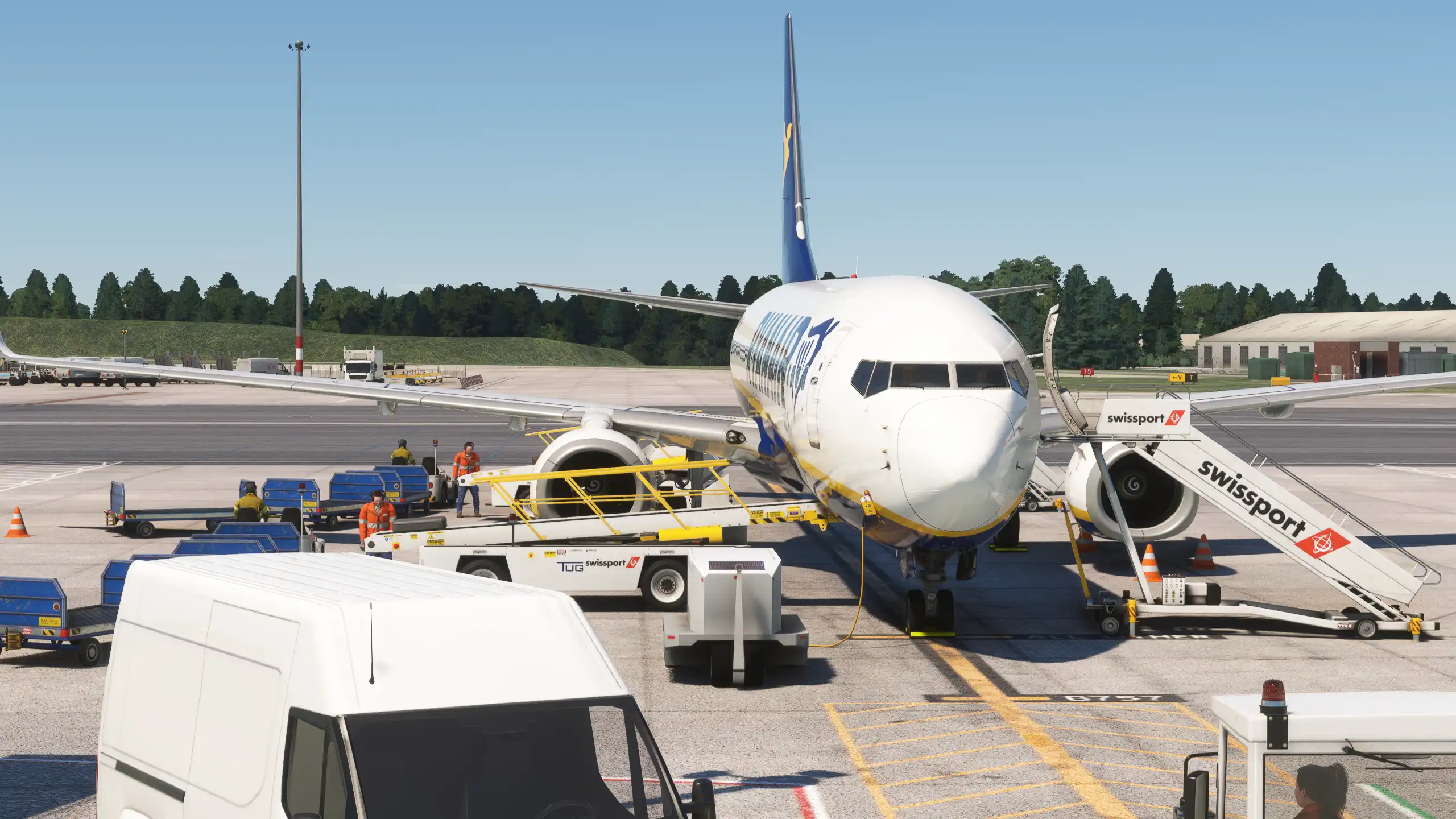
With my drone camera inoperable due to reloading an autosave, I had to relaunch the simulator and reenact the deboarding, which was not a big deal, so to speak. Thankfully, the live weather at the time was pretty much CAVOK anyway, so there were no brown clouds to ruin the lighting and overall appearance.

Modelling & Texturing
The fact that Pyreegue is amongst the developers that constantly raise the detail bar for Microsoft Flight Simulator is a well known thing at this point, with highly regarded products such as East Midlands Airport, Edinburgh Airport, Glasgow Airport, and Belfast Aldergrove, all bringing an exceedingly high amount of detail inside and out, with realistic ground clutter, true-to-life interiors, and all the bells and whistles that make it as close as possible to a passenger simulator.

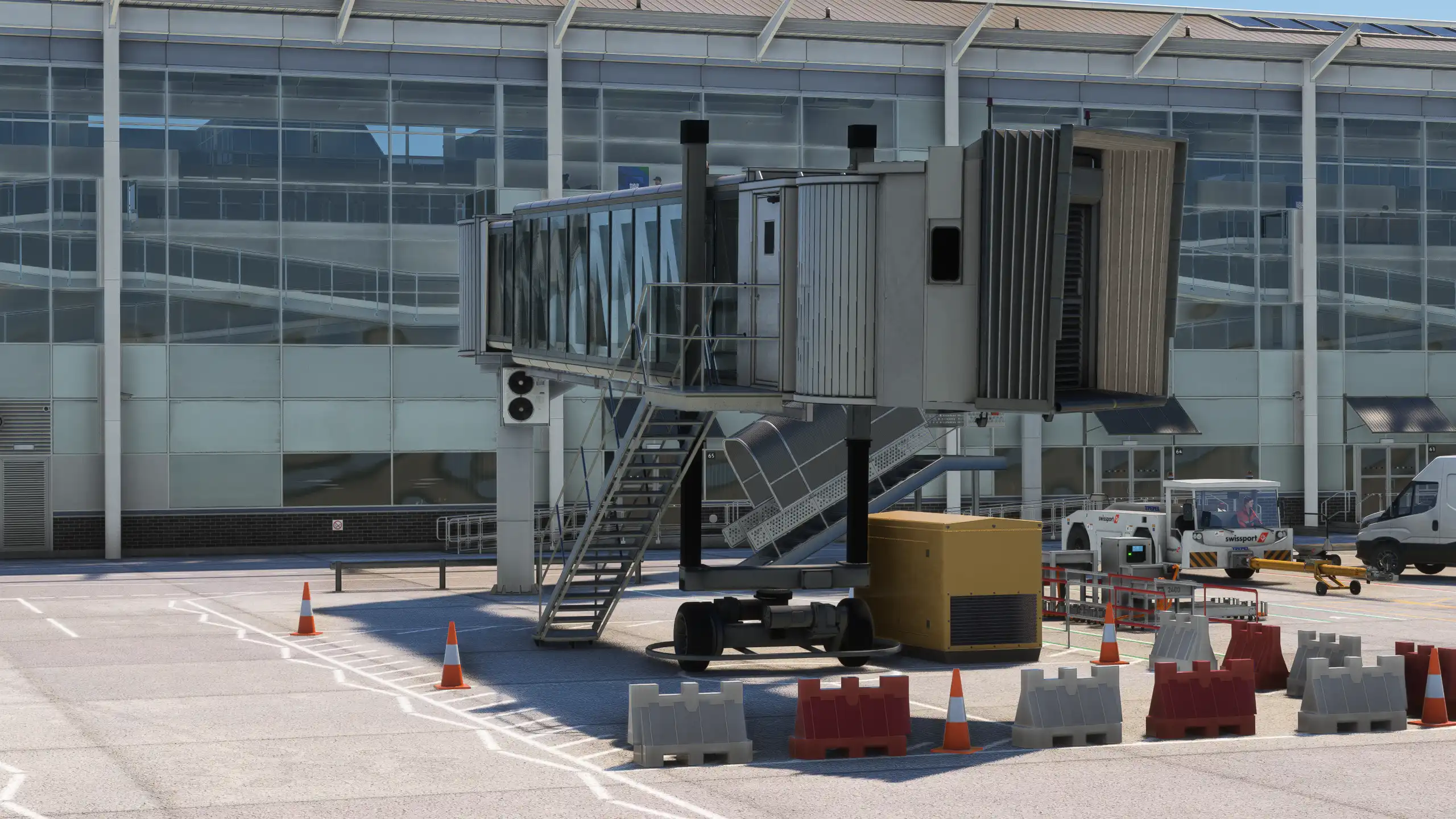
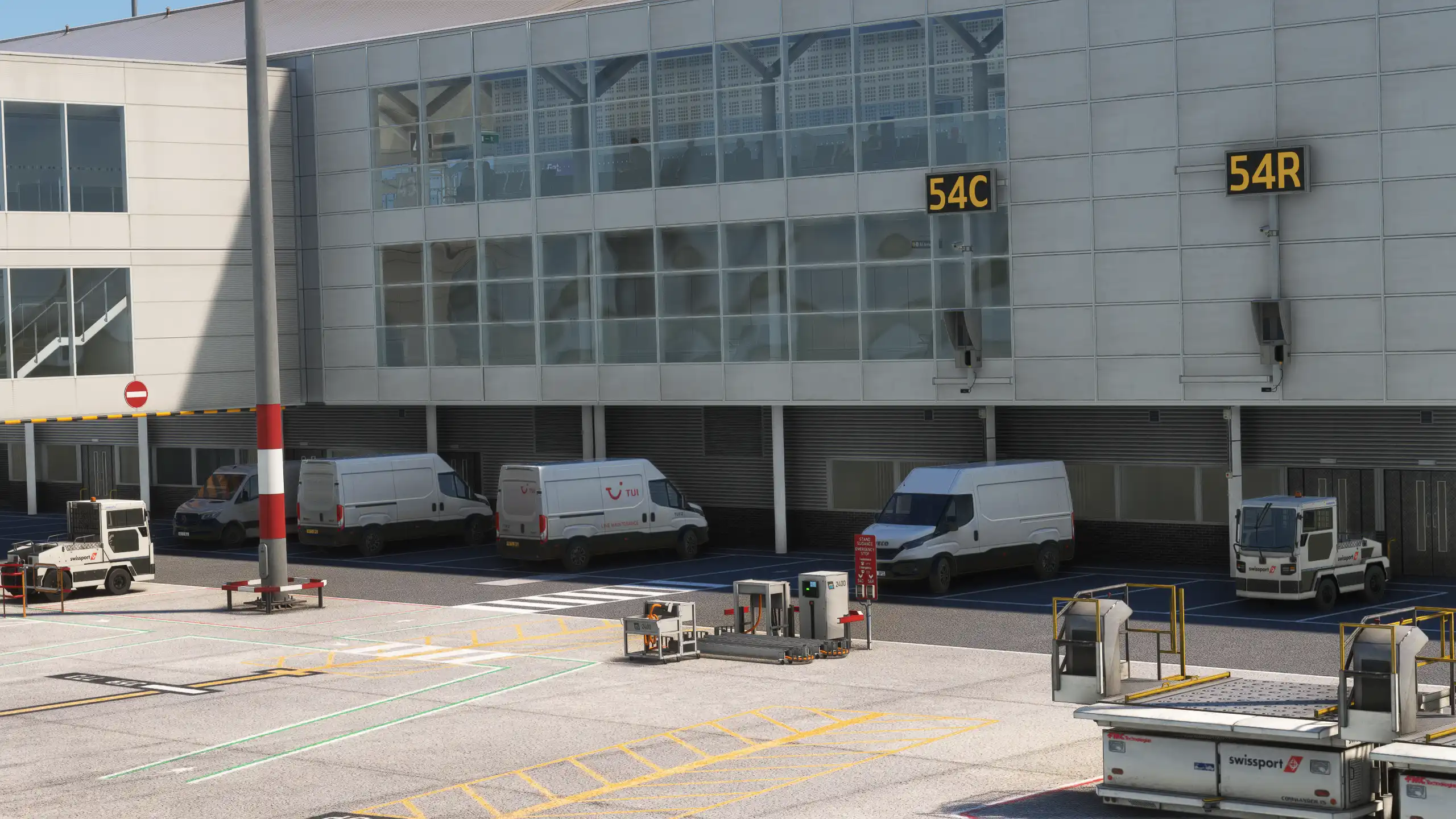
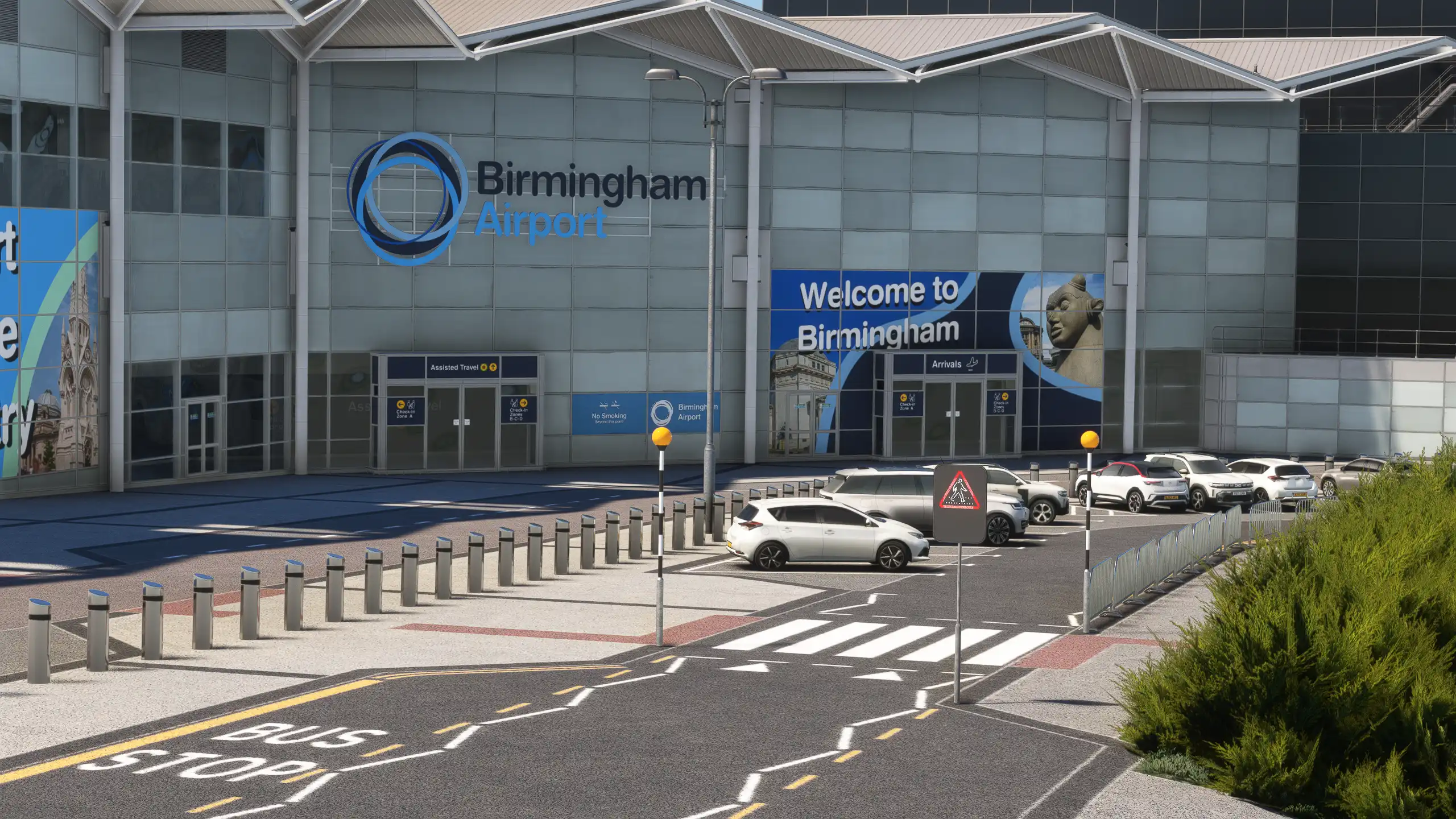
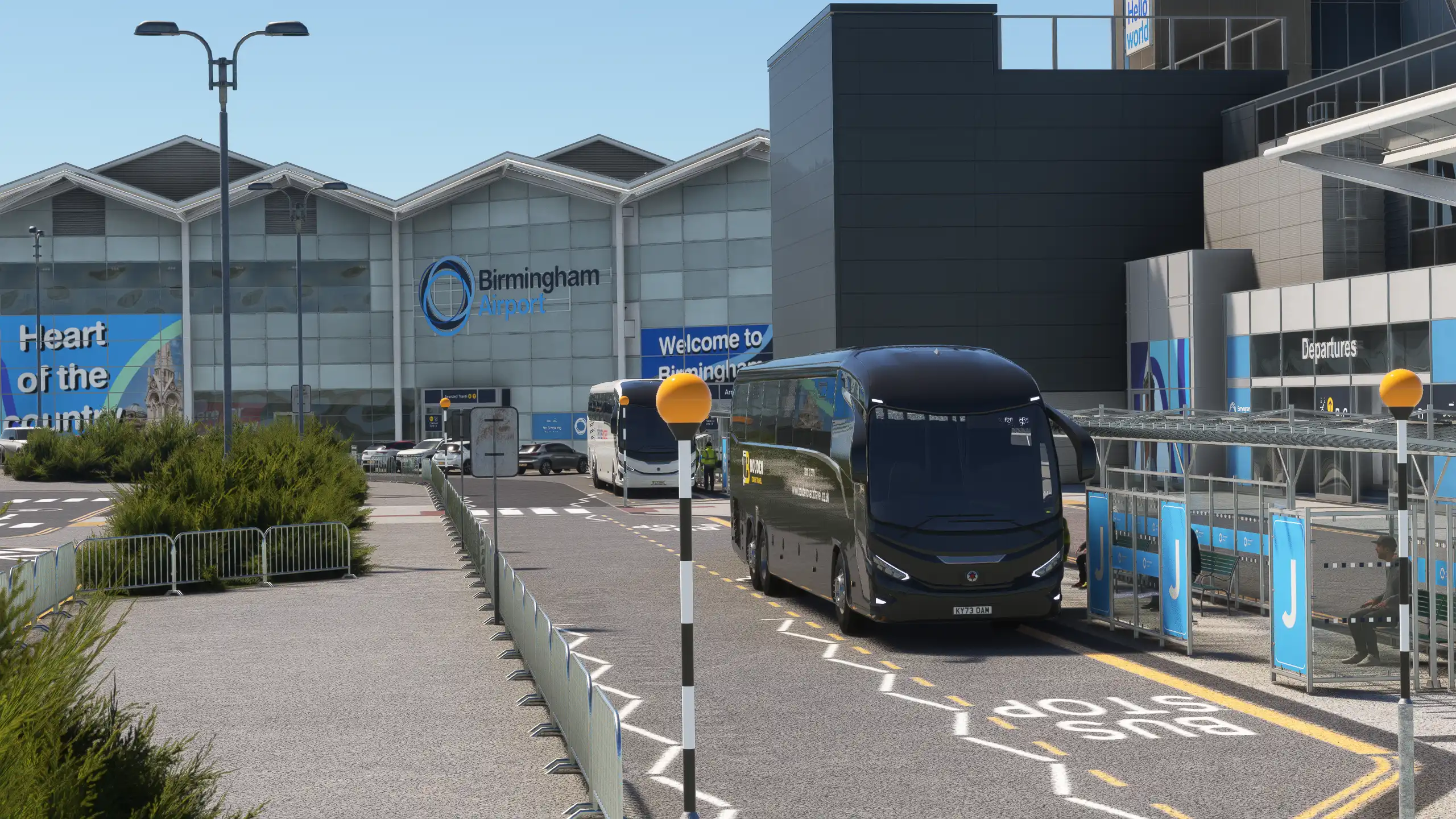
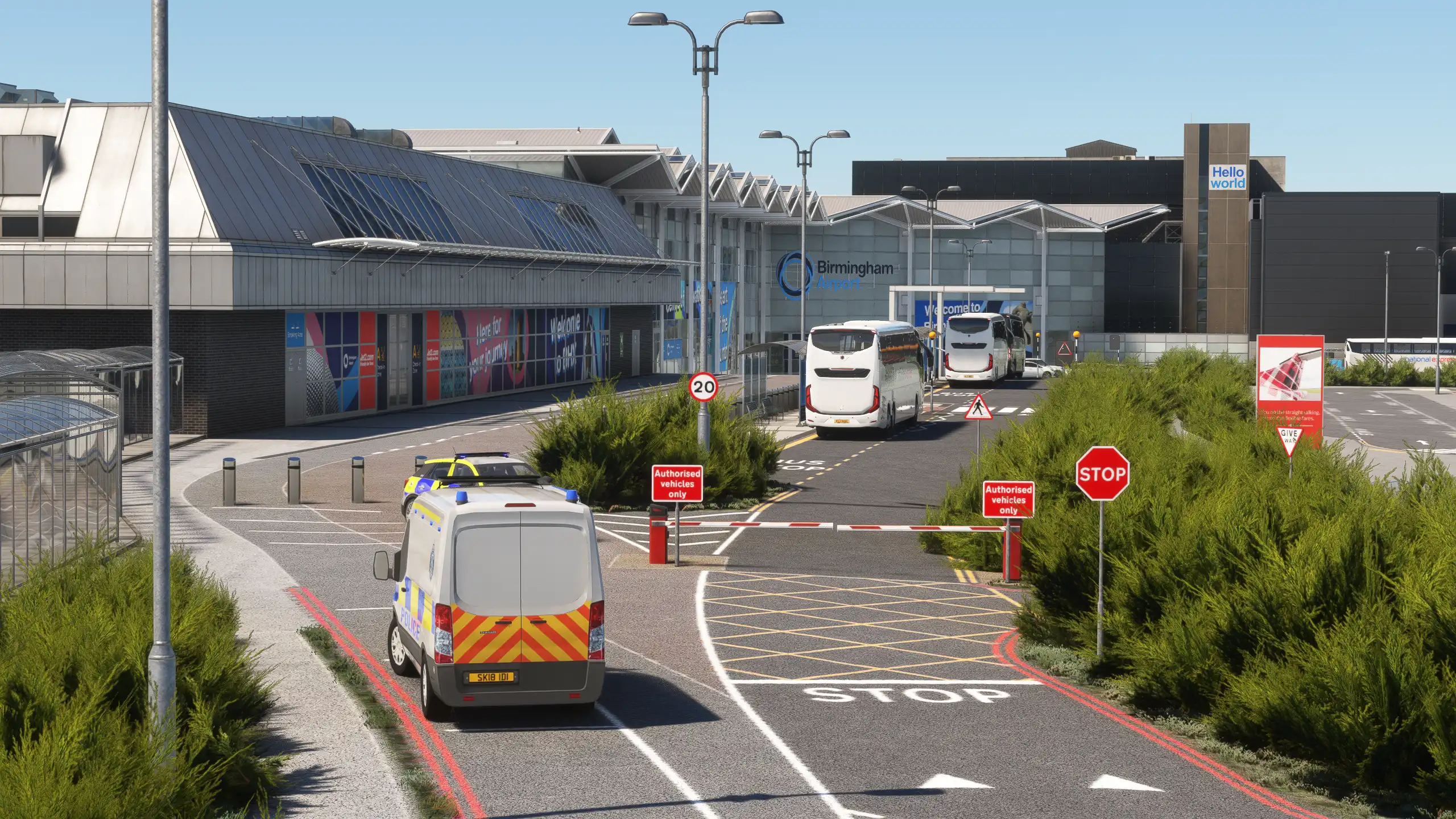
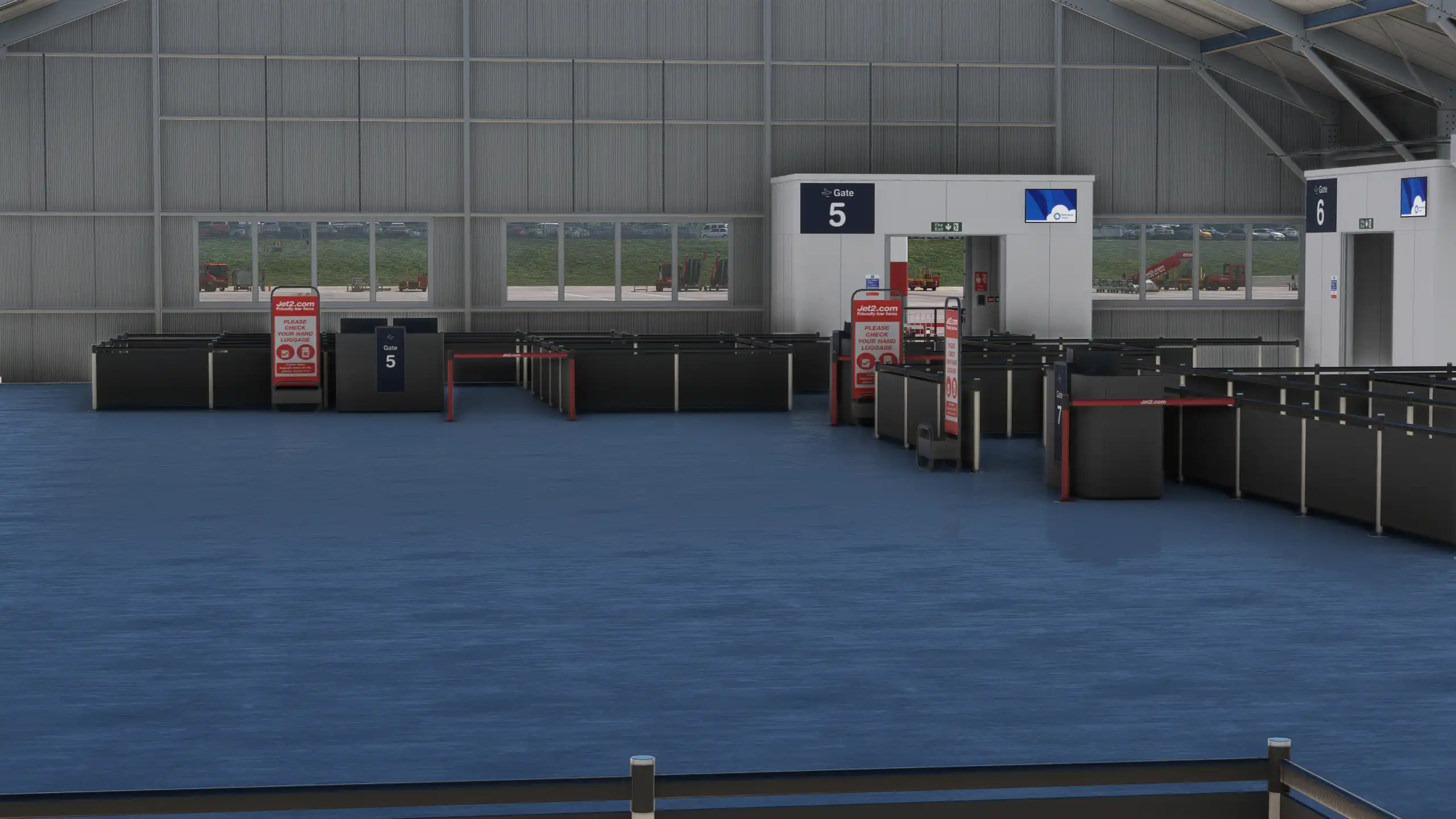
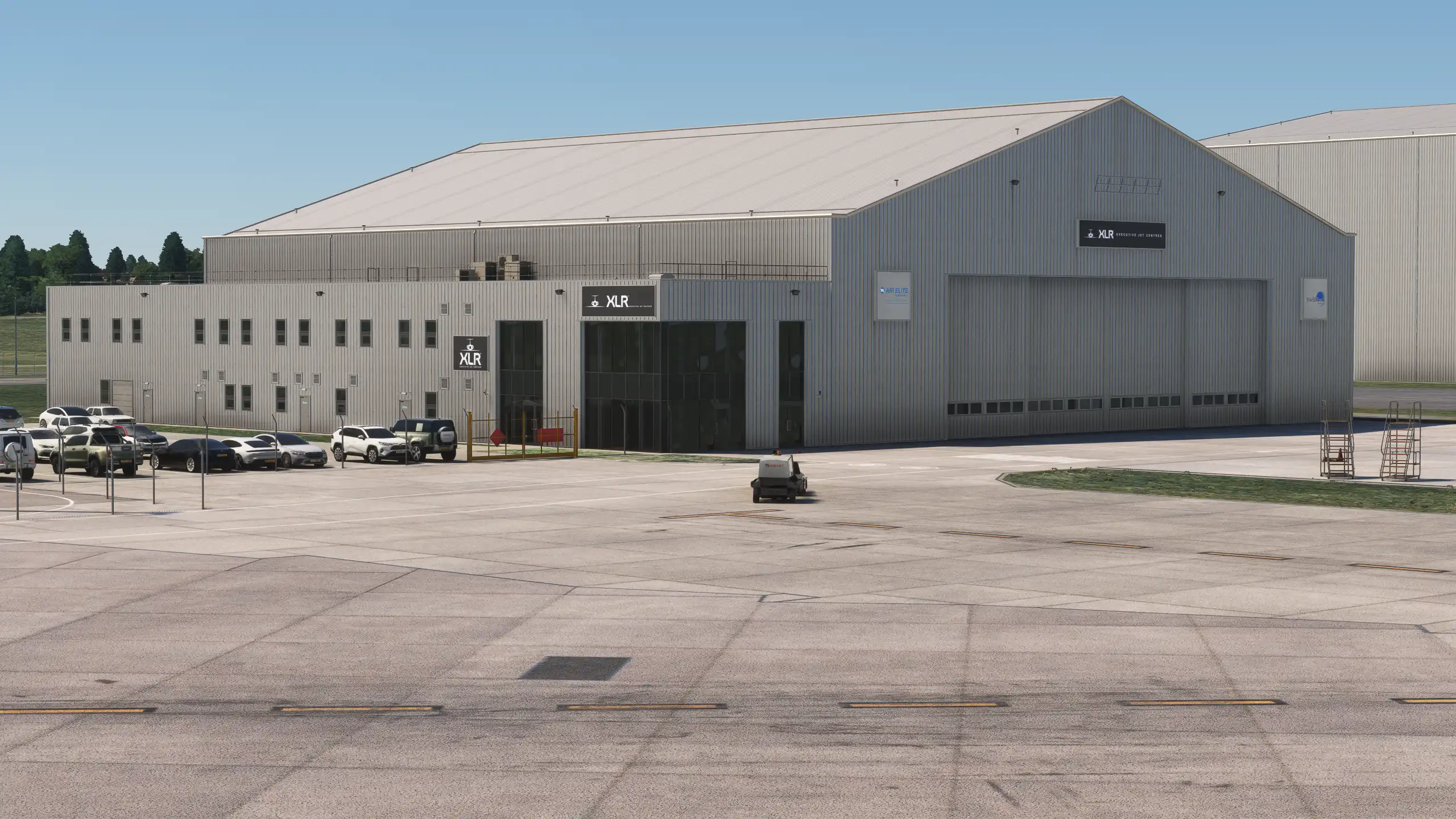
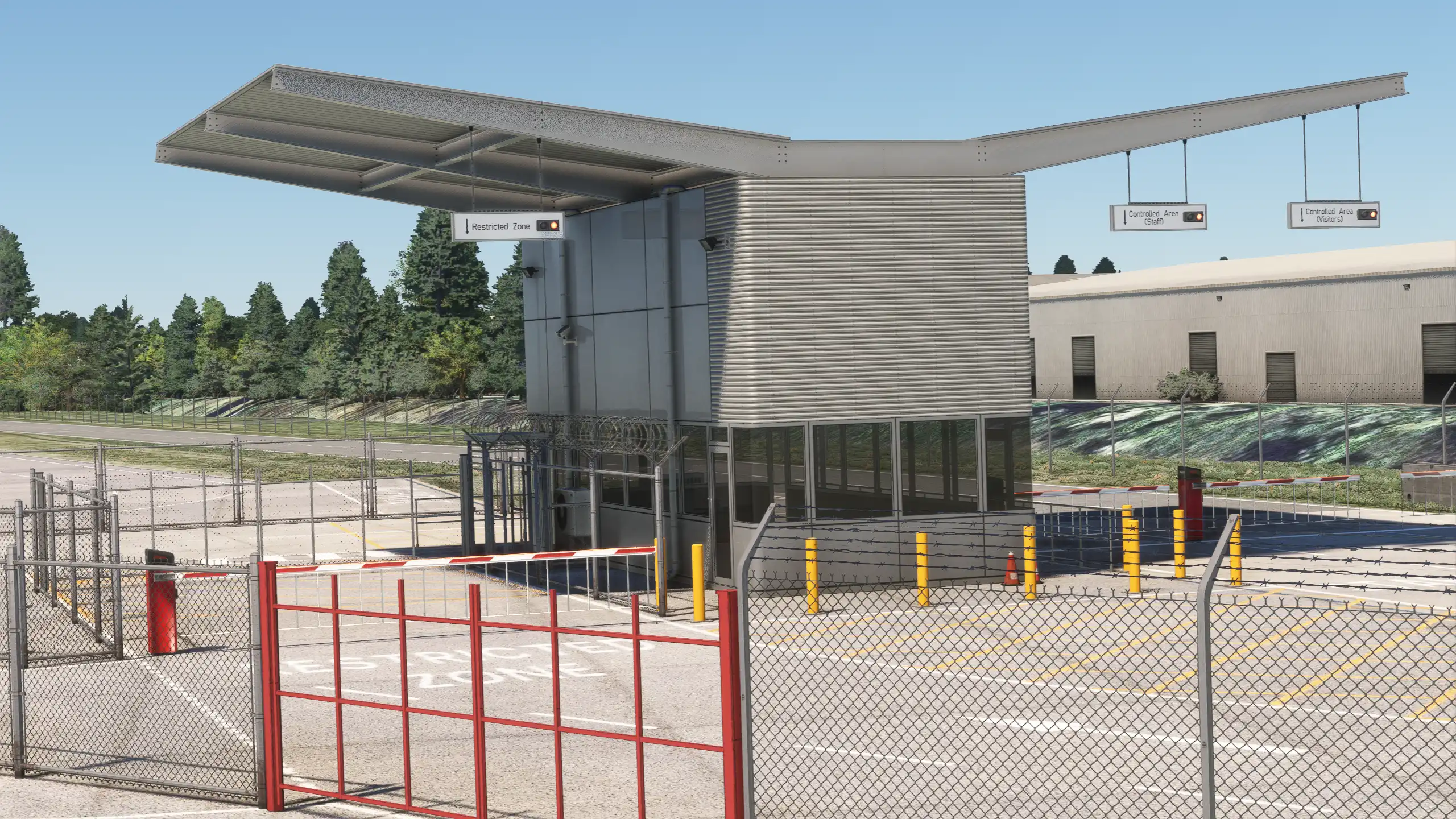
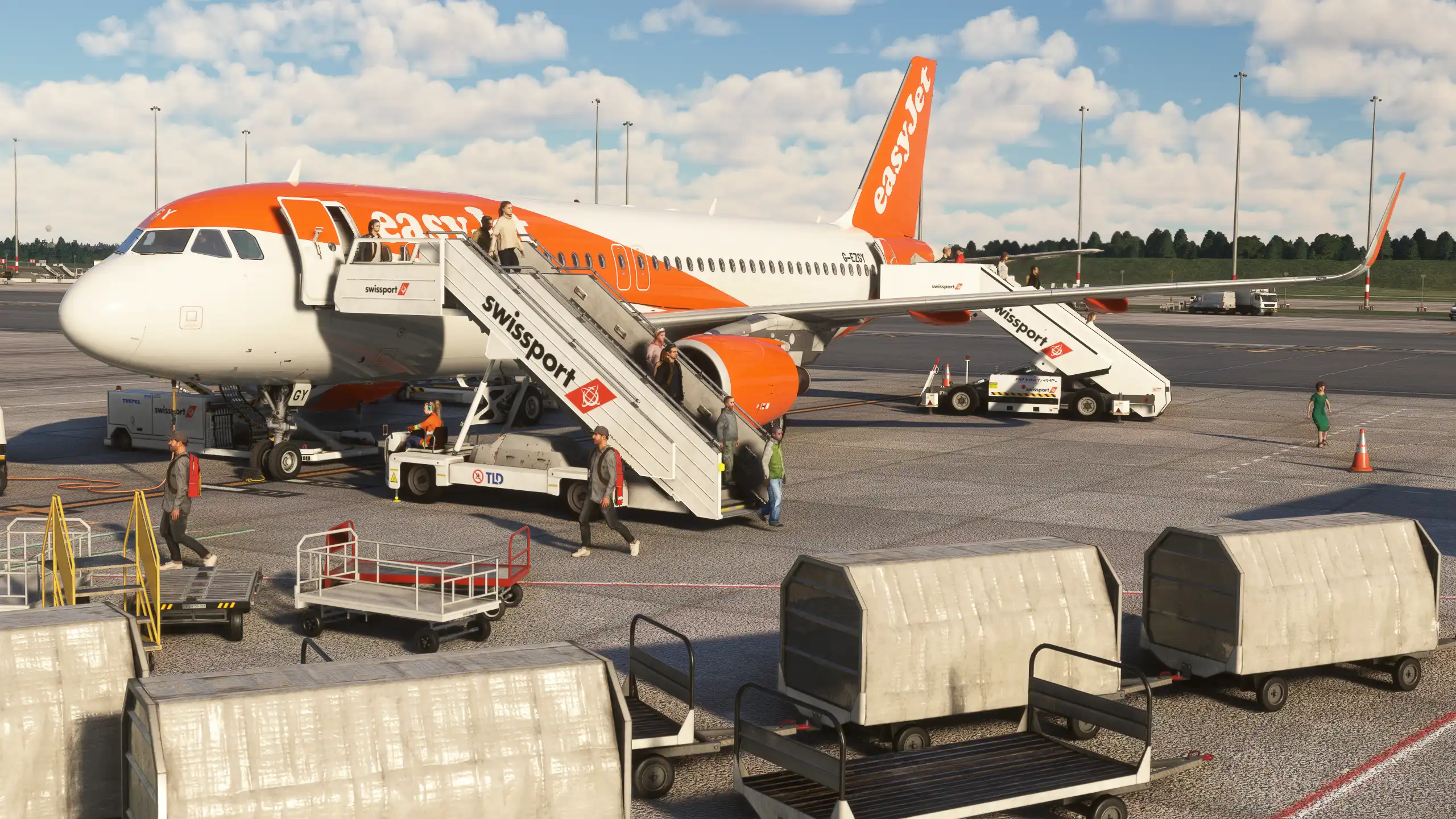
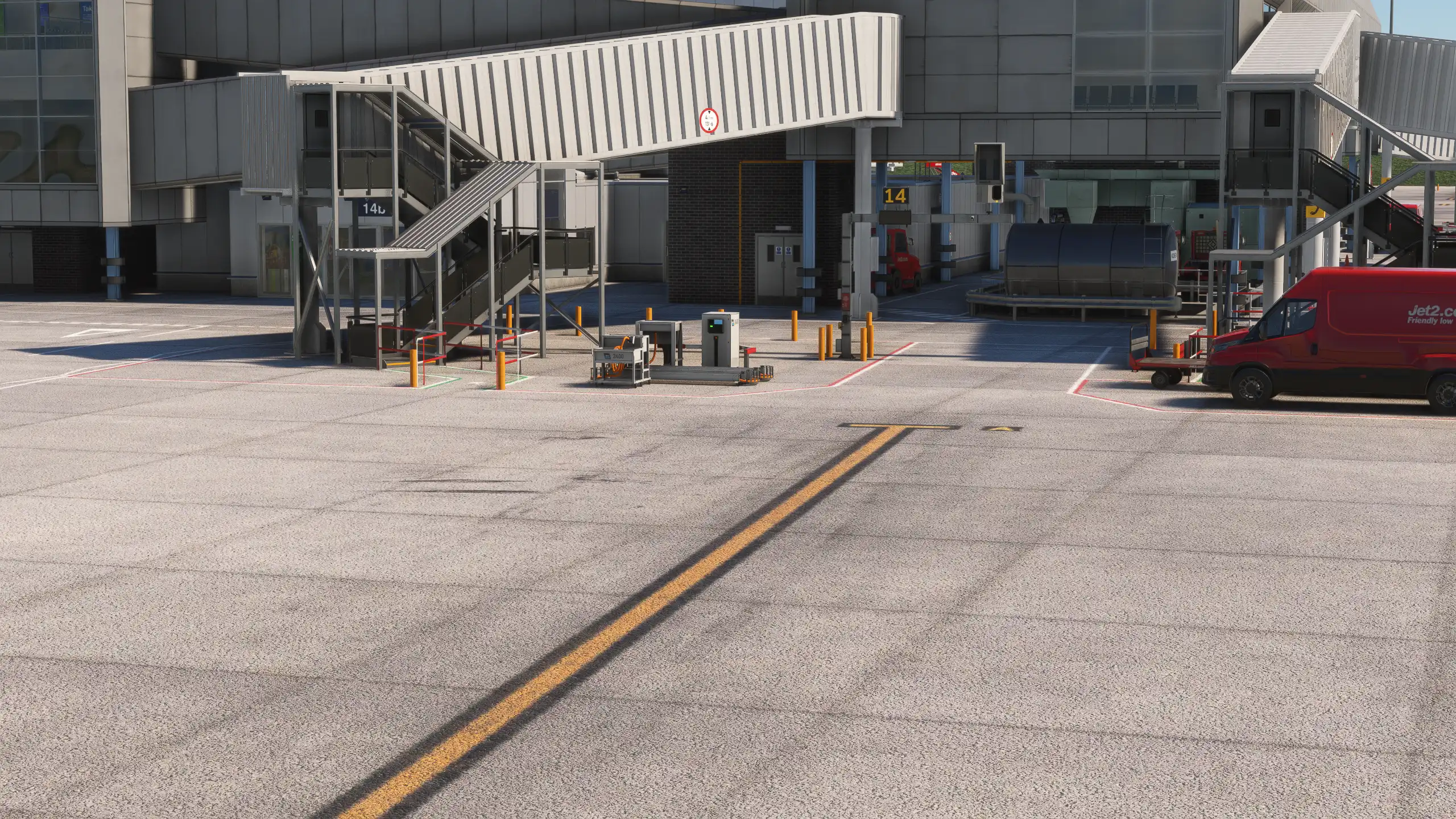
They did not drop the ball with Birmingham, and I daresay it is their most impressive work yet on many fronts. The models are stunning, be it the terminal itself, the interior, the parked vehicles, the road signs, or the ground service equipment scattered everywhere. There are absolutely no corners cut as far as consistency goes.
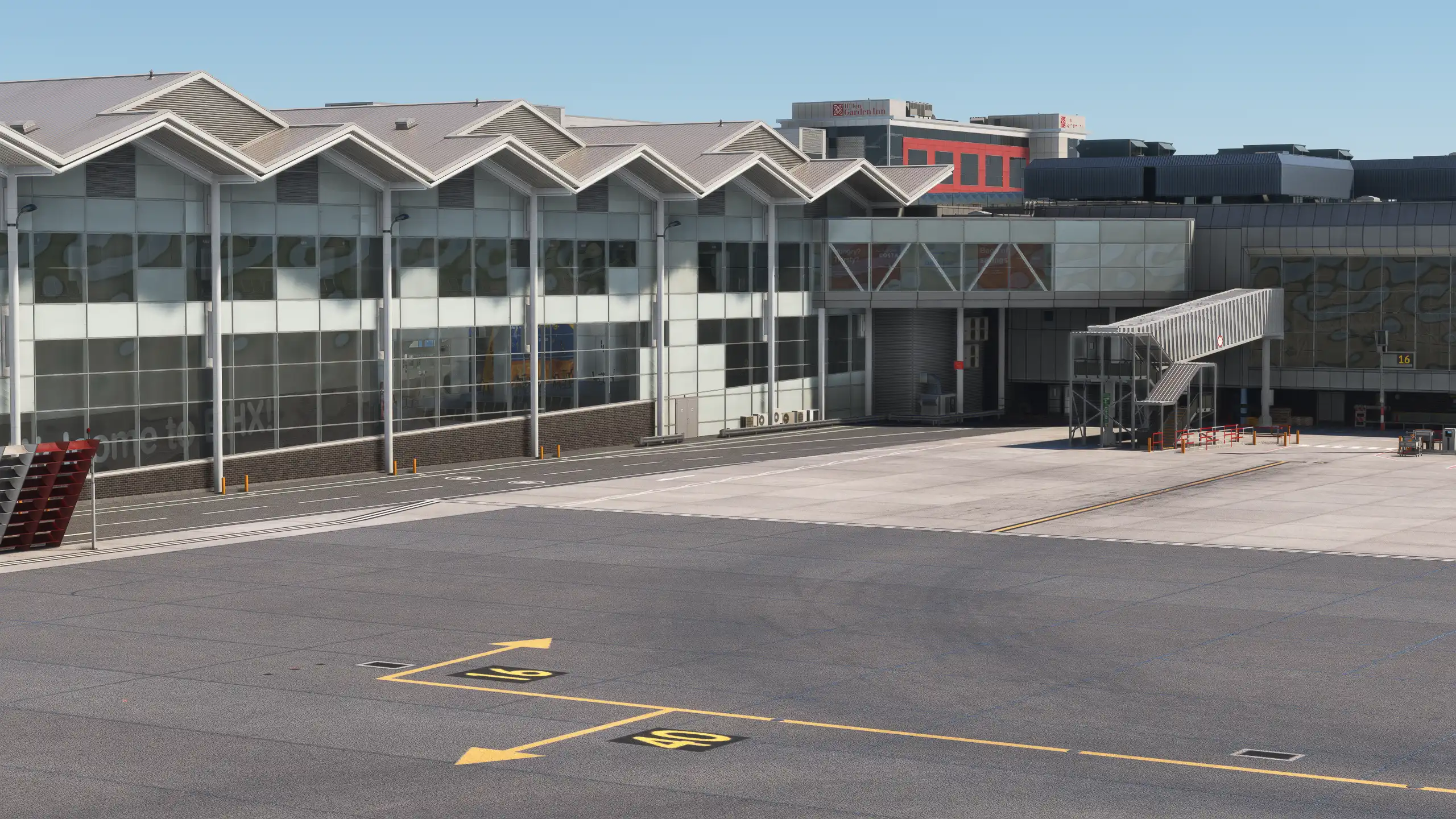
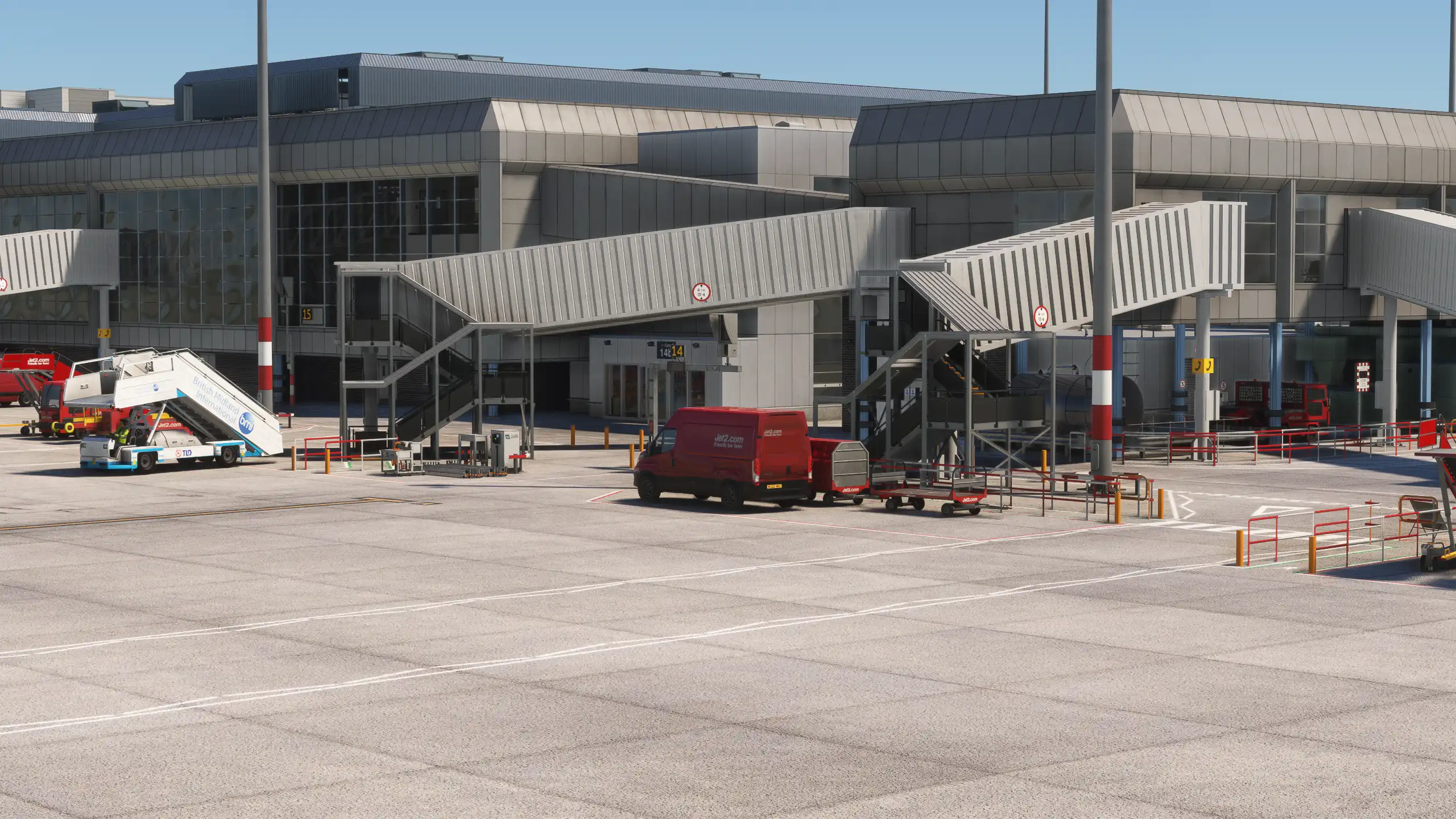
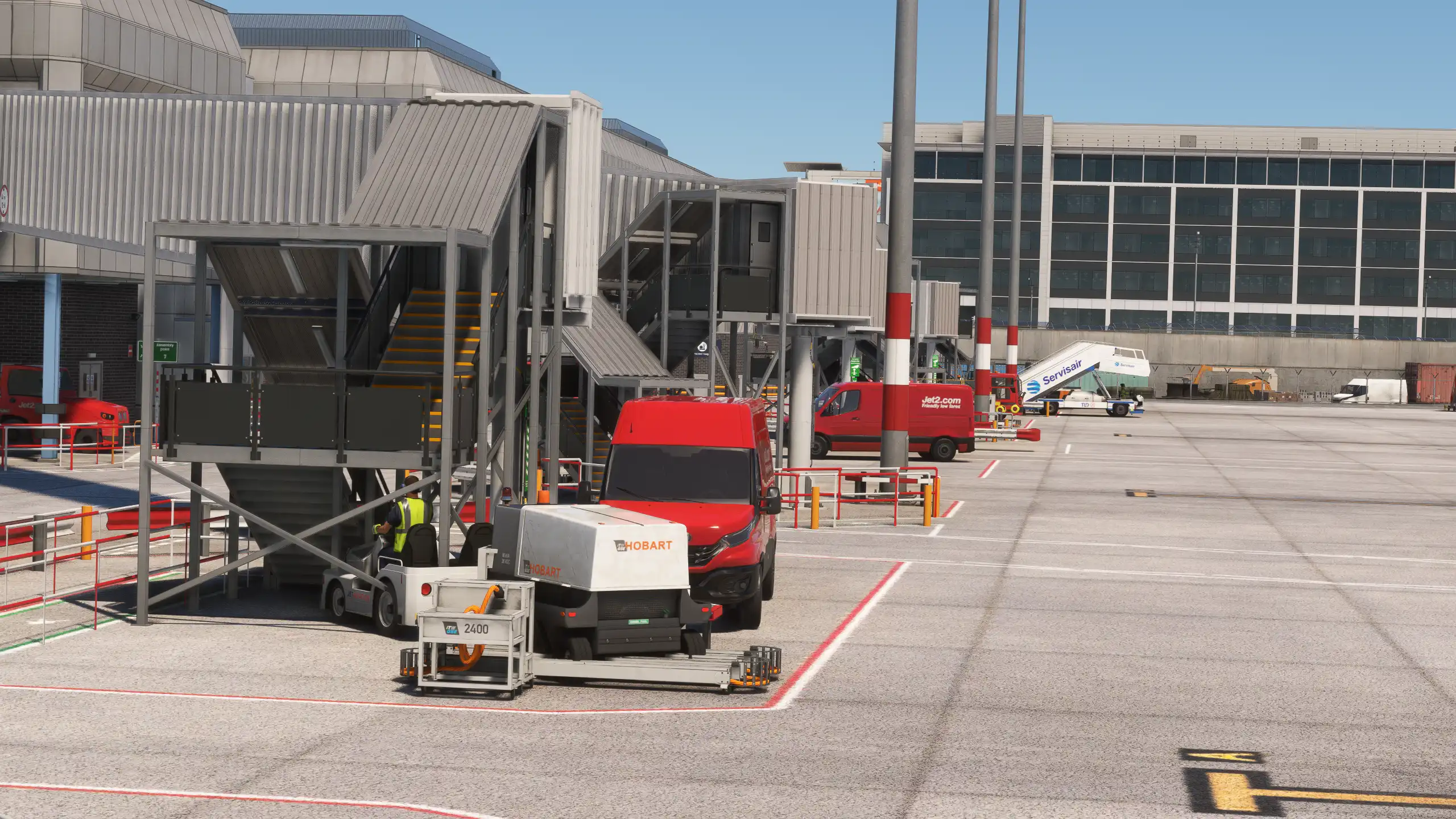
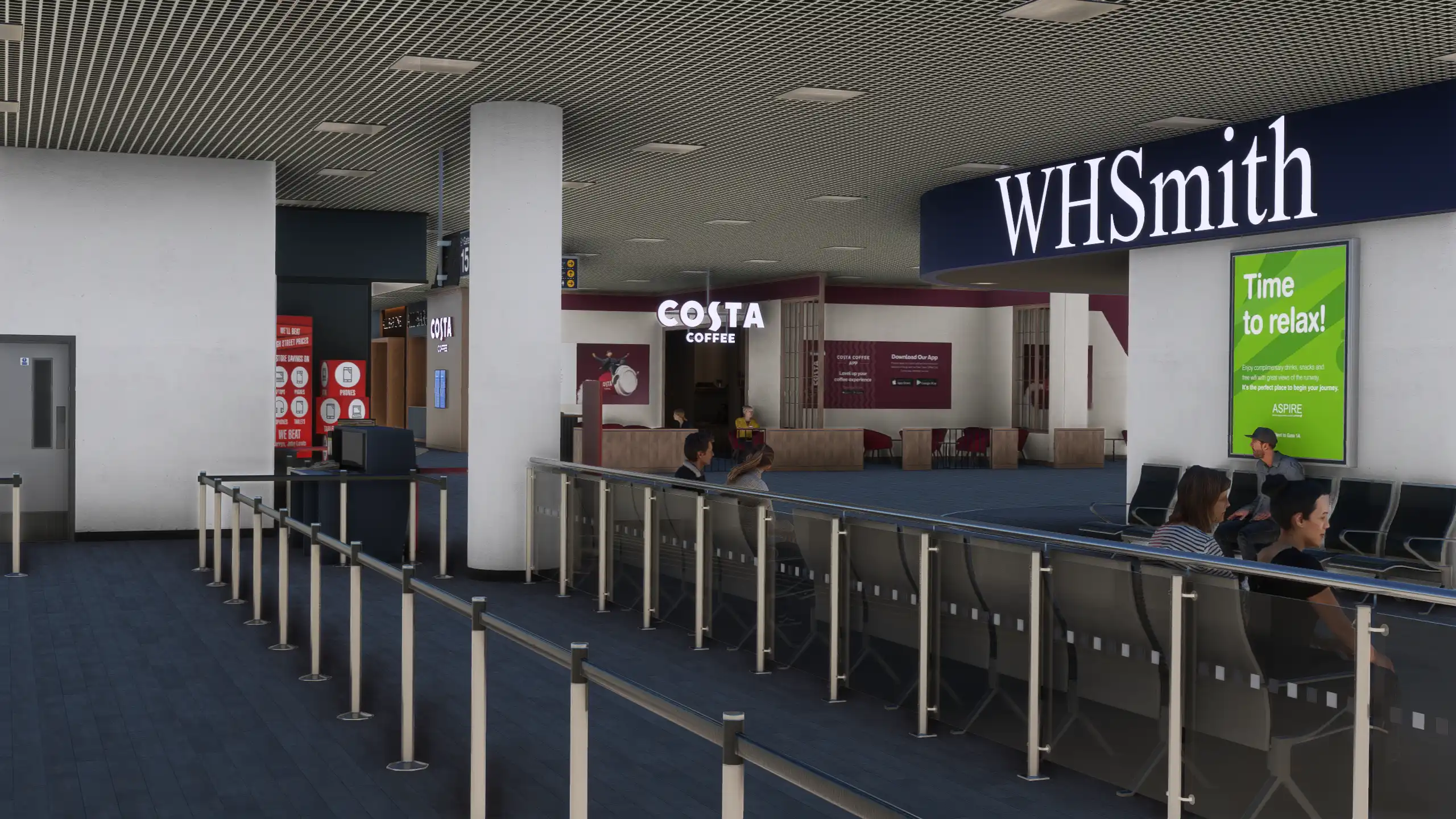
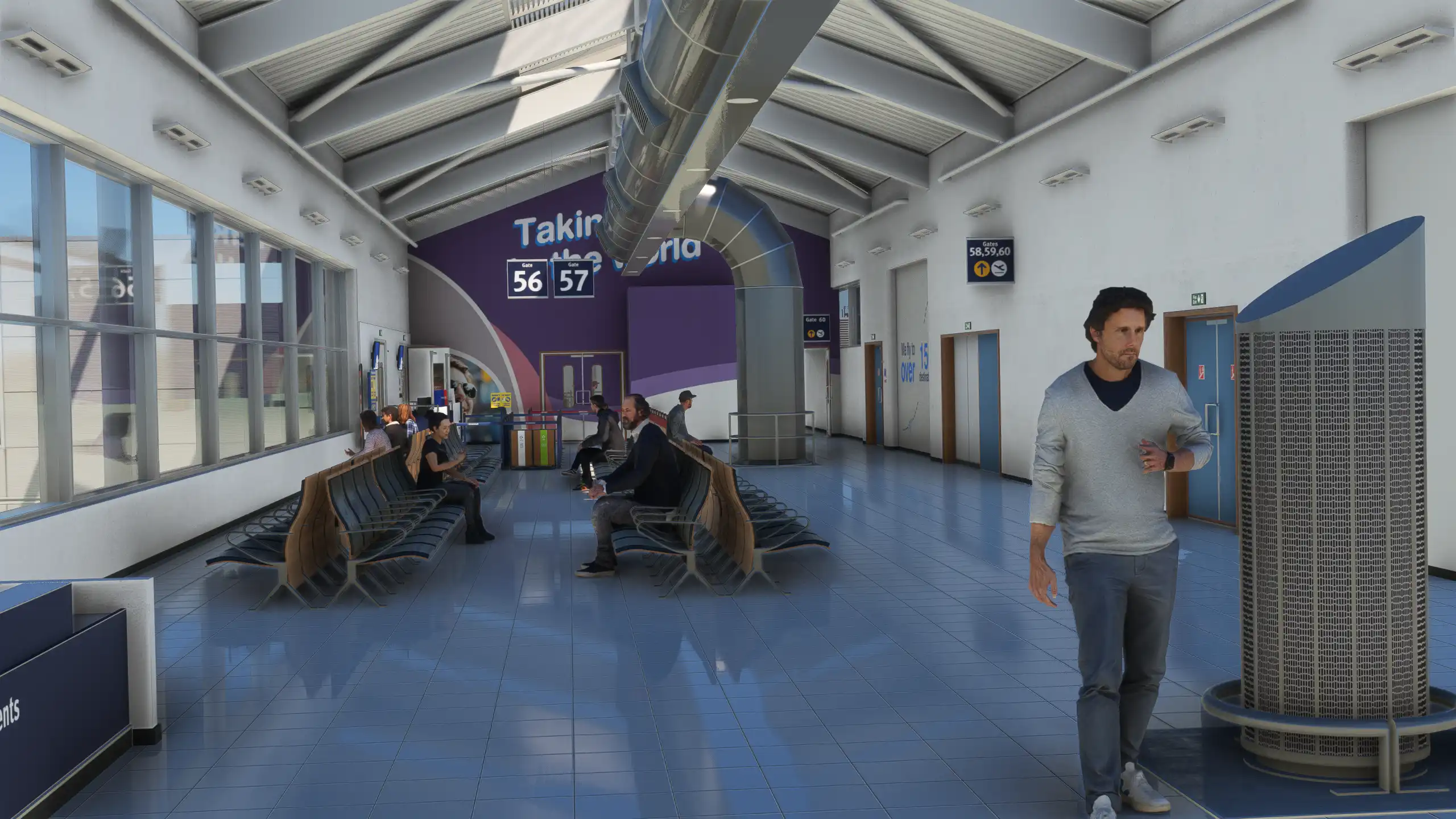
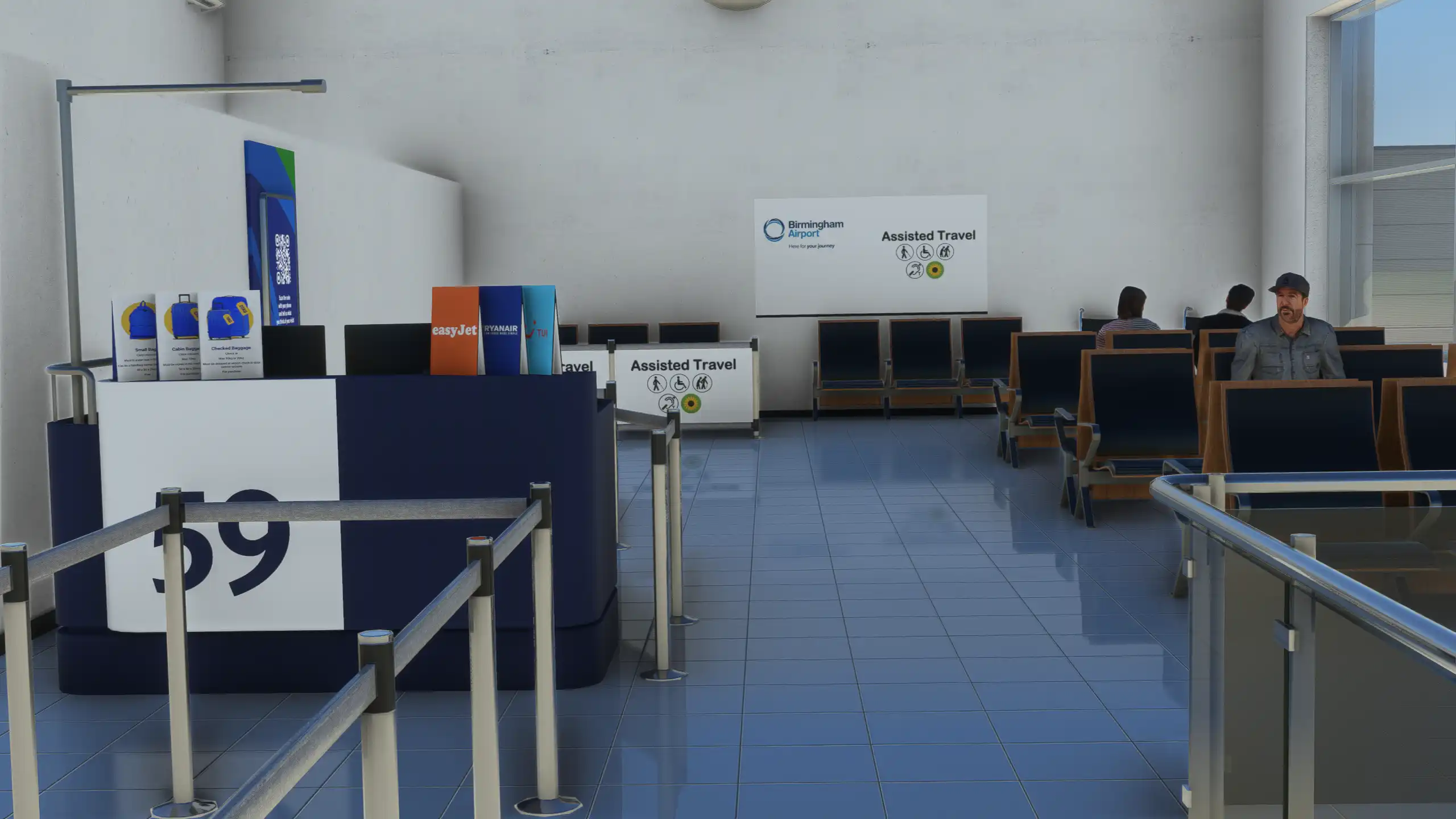
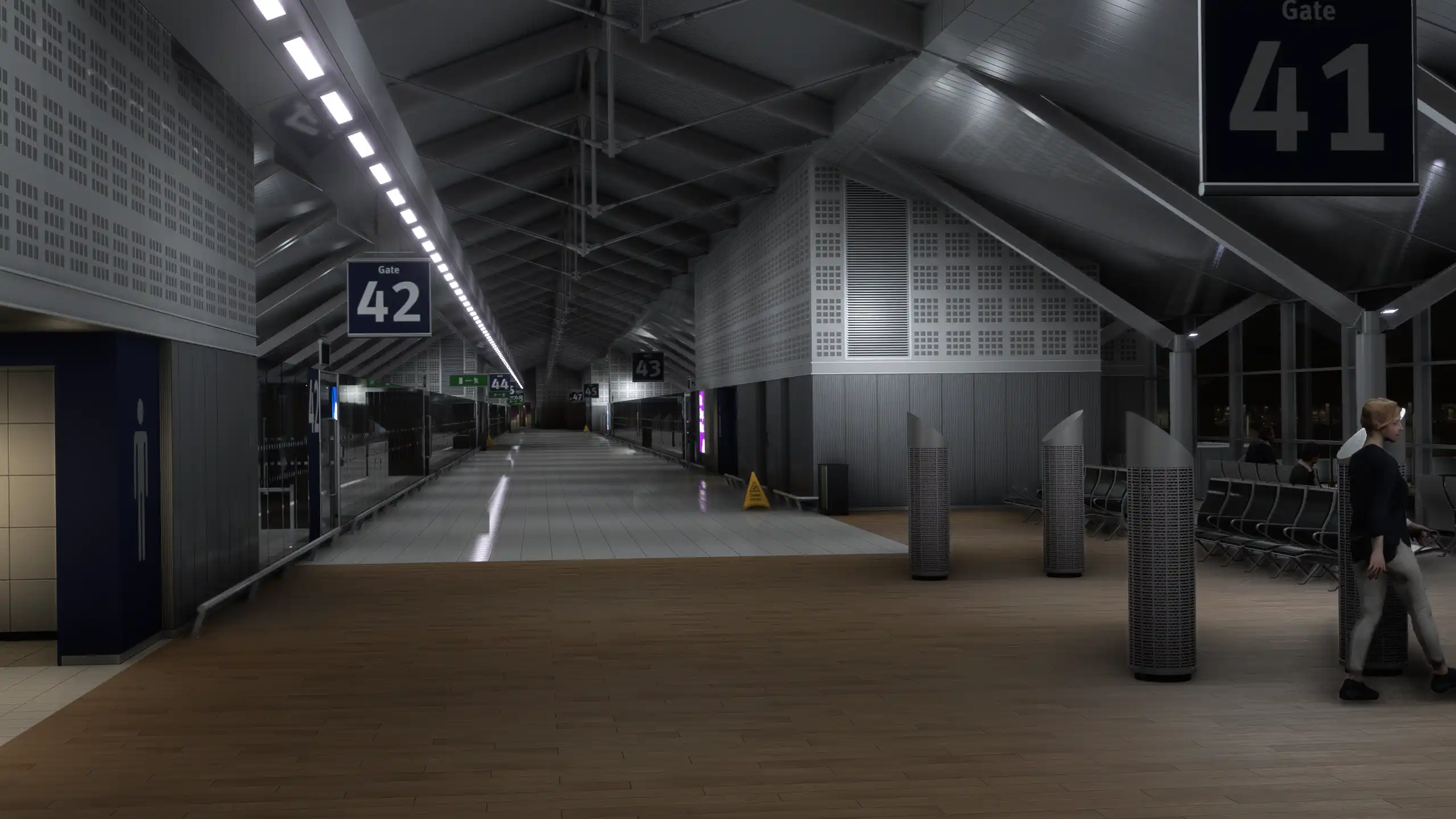
You can walk just about everywhere inside the airport (although in 2020, you have to use the drone camera, obviously), and the interior is really convincing. I don’t know whether it is a 1:1 representation, but you feel like you are in the land of the Peaky Blinders, Costa Coffee and all.

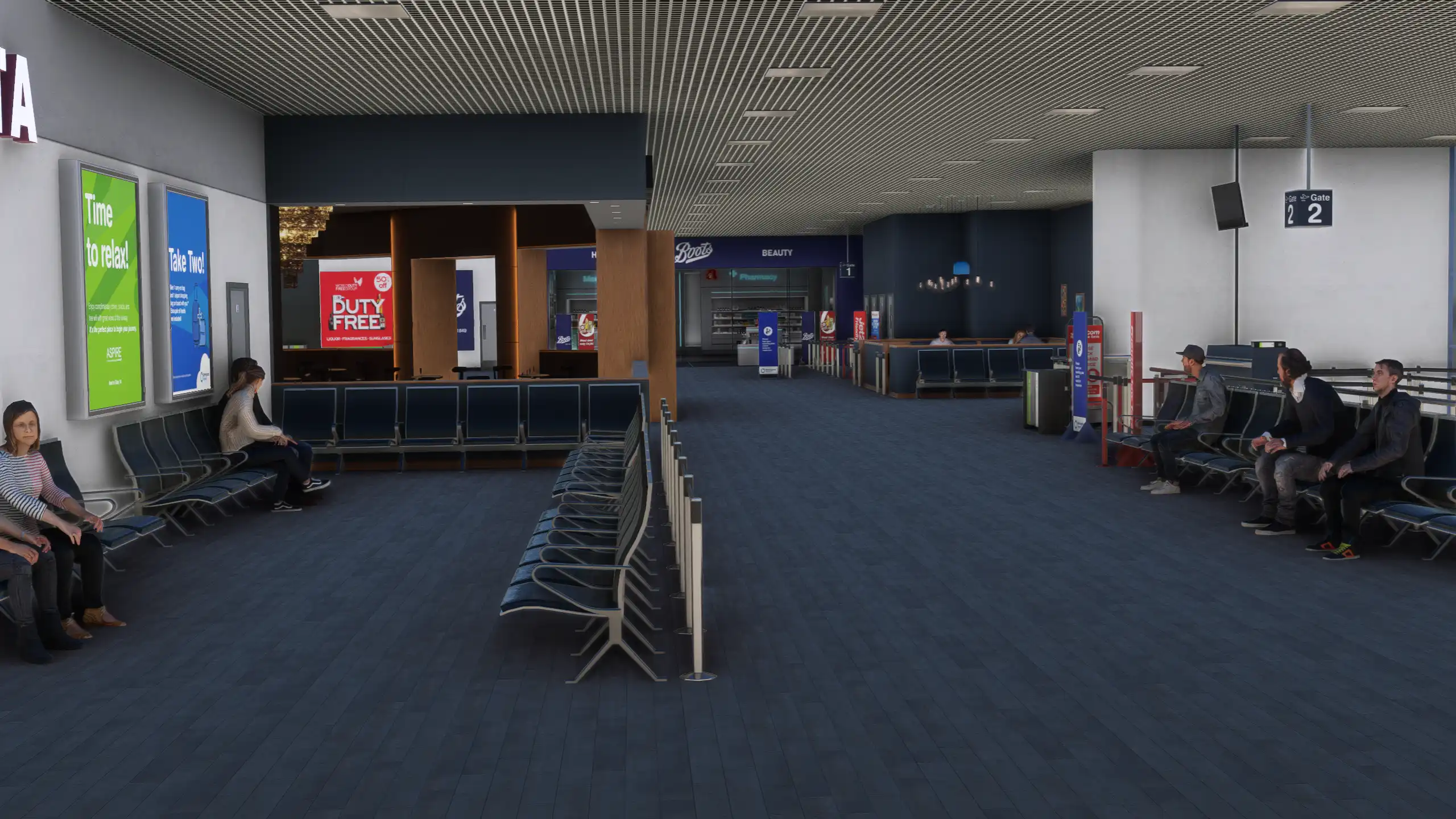
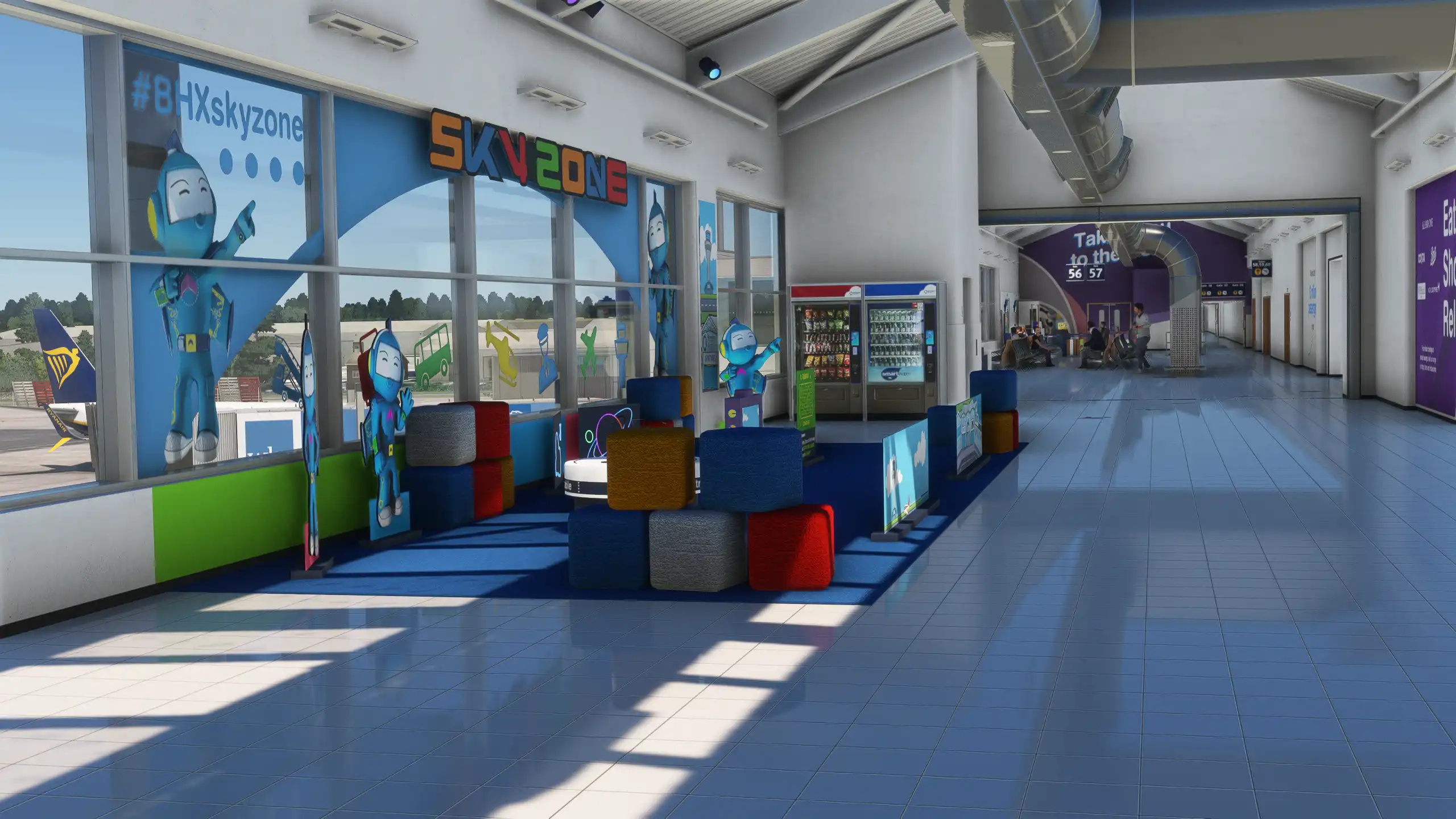
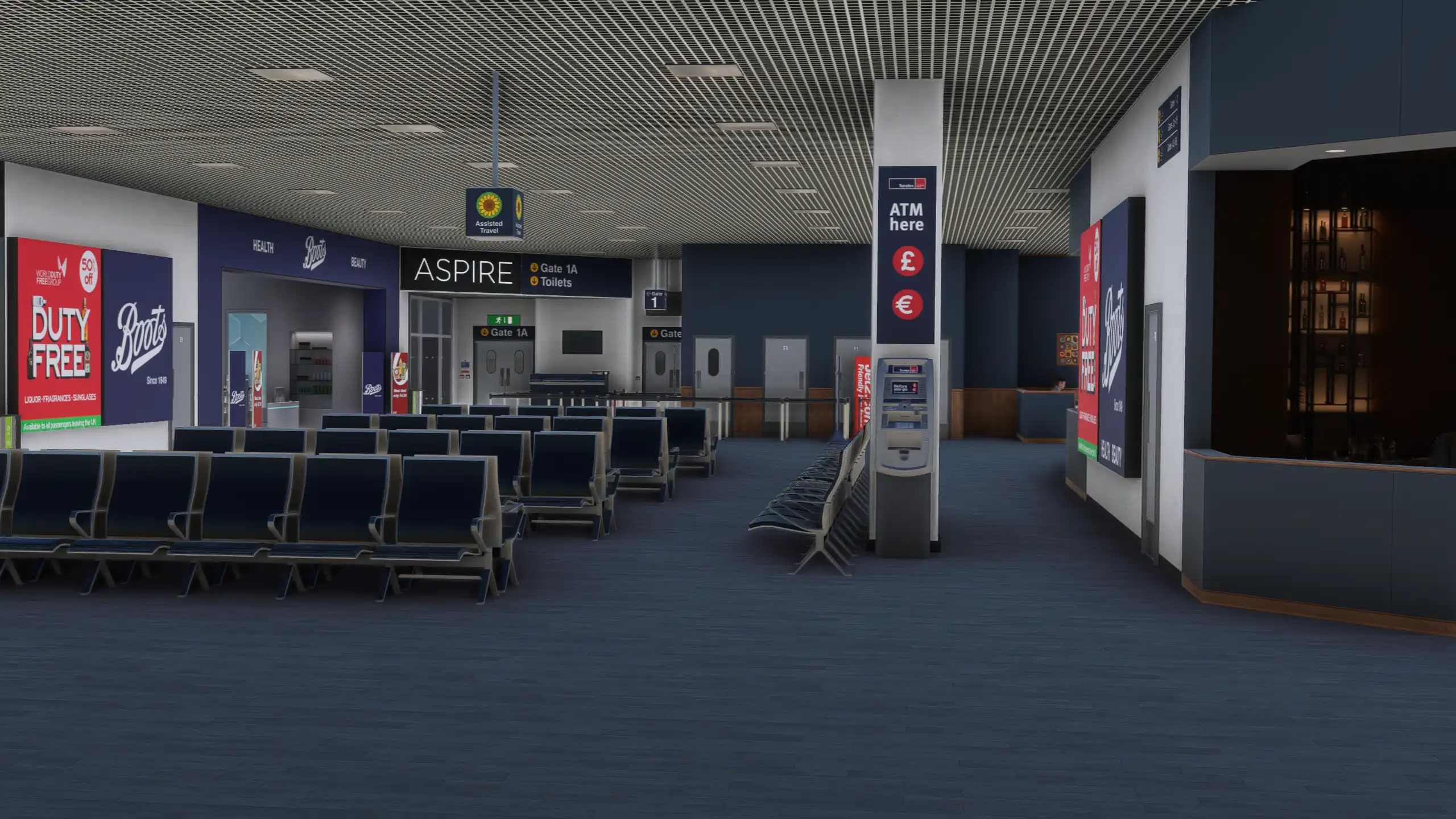
The work around the apron is stunning, with properly and convincingly distributed clutter, lovely jetways that are often unused because the stands are used by low-cost carriers who run from jetways like the Devil runs from the cross, truly sell the idea of a living and breathing airport.
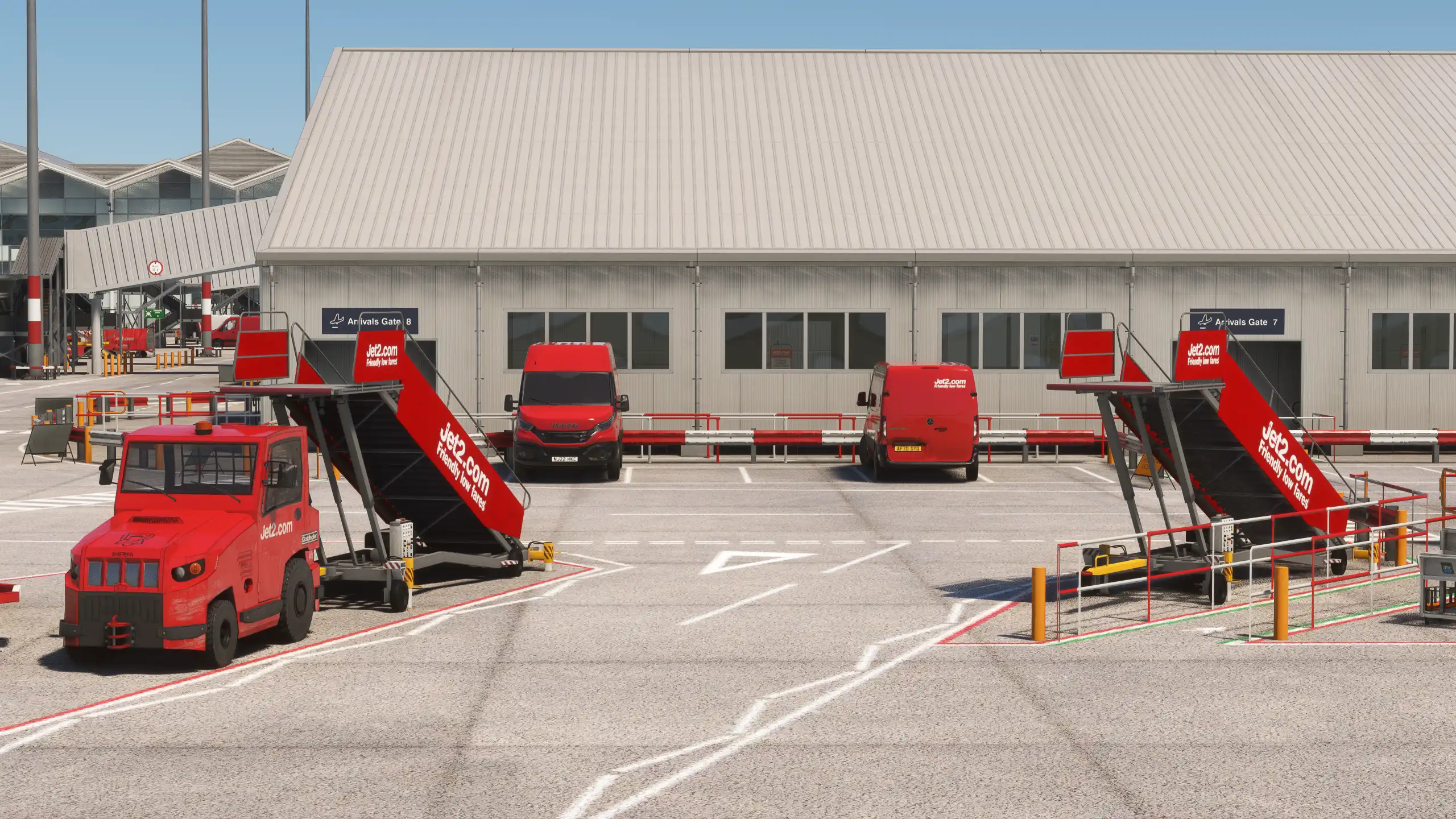

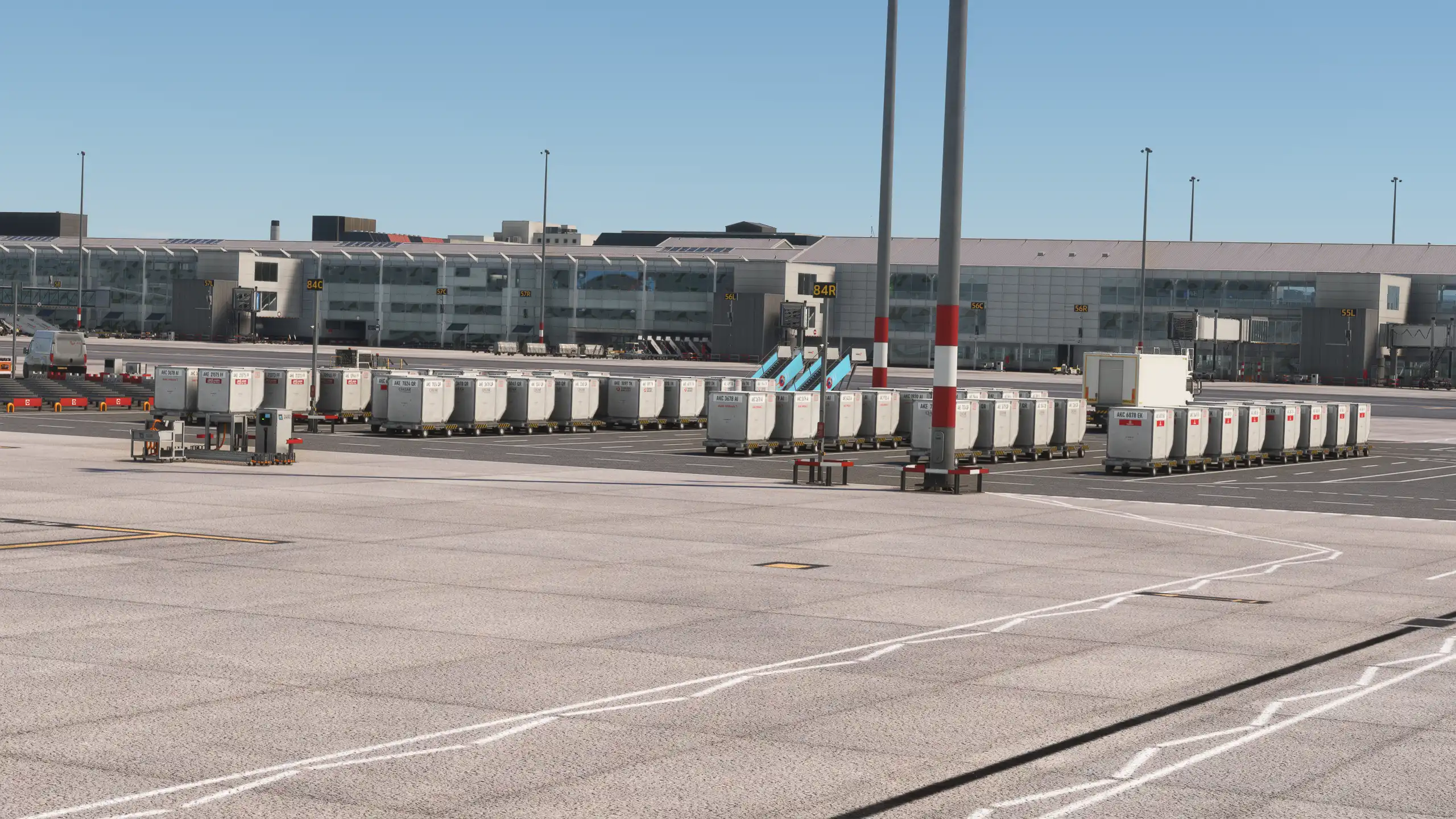

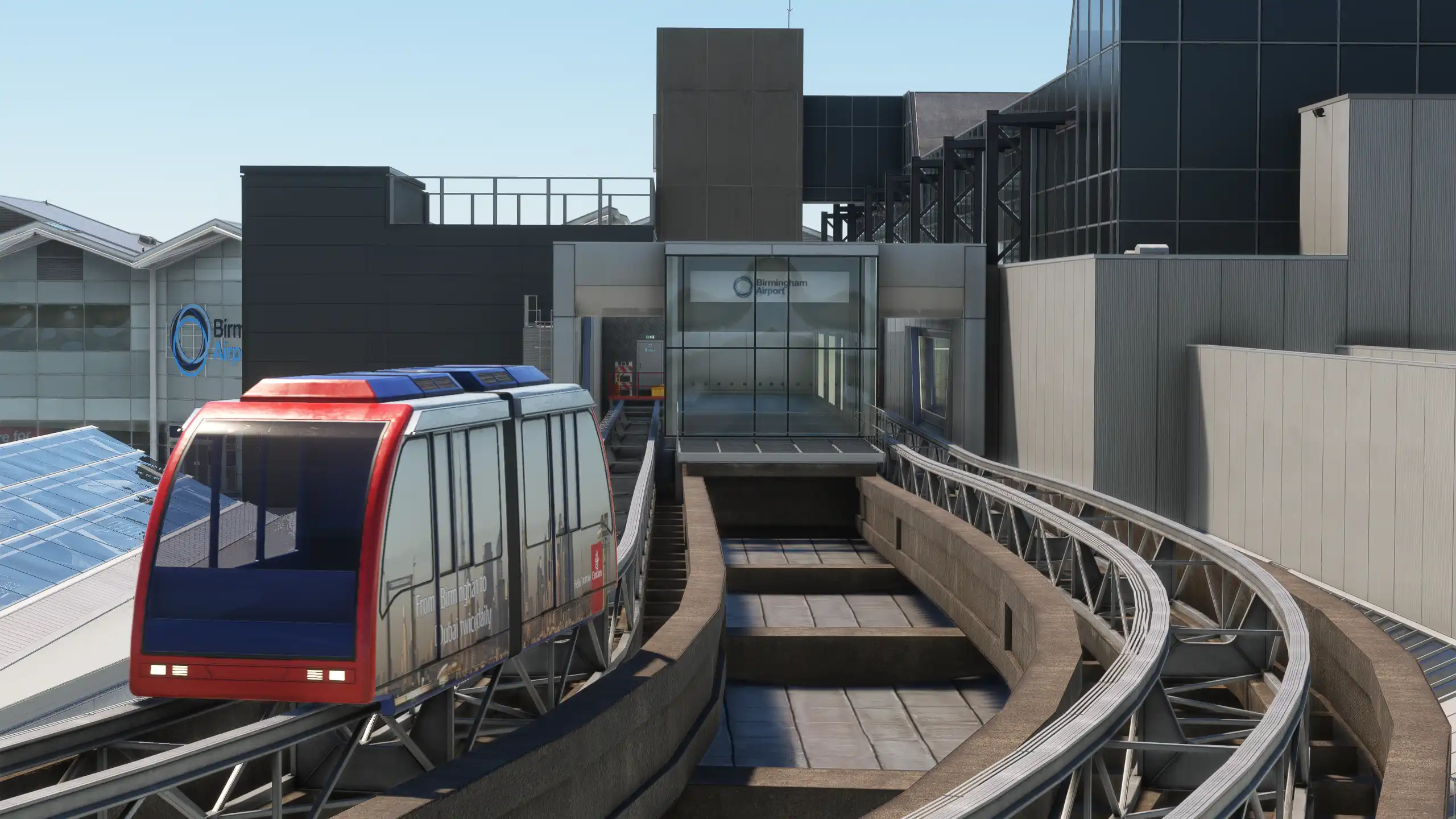
The animated passengers inside the terminal are the cherry on top, truly encapsulating the Brummie experience from the safety and comfort of our own home. The passengers are not the only animated things, though, as it also features a fully animated Air-Rail Link.
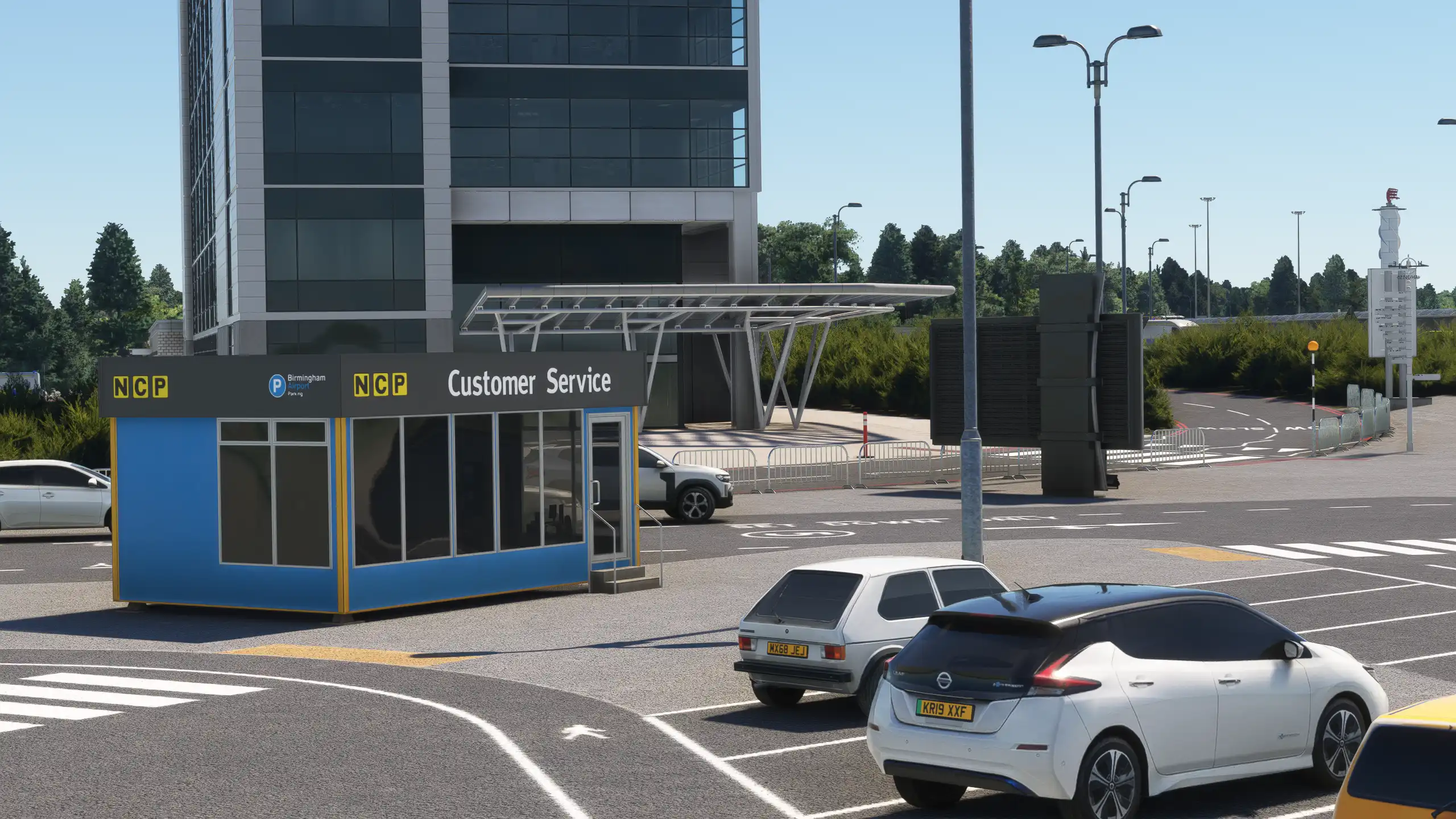
A lot of research was conducted to develop the scenery and it truly shows, with close attention to detail regardless of how important that corner of the airport may be, or whether it’s more on the landside than airside, like the entrance: from a pilot’s perspective, it doesn’t matter whether it looks good or not, but it’s there (and it does look good).
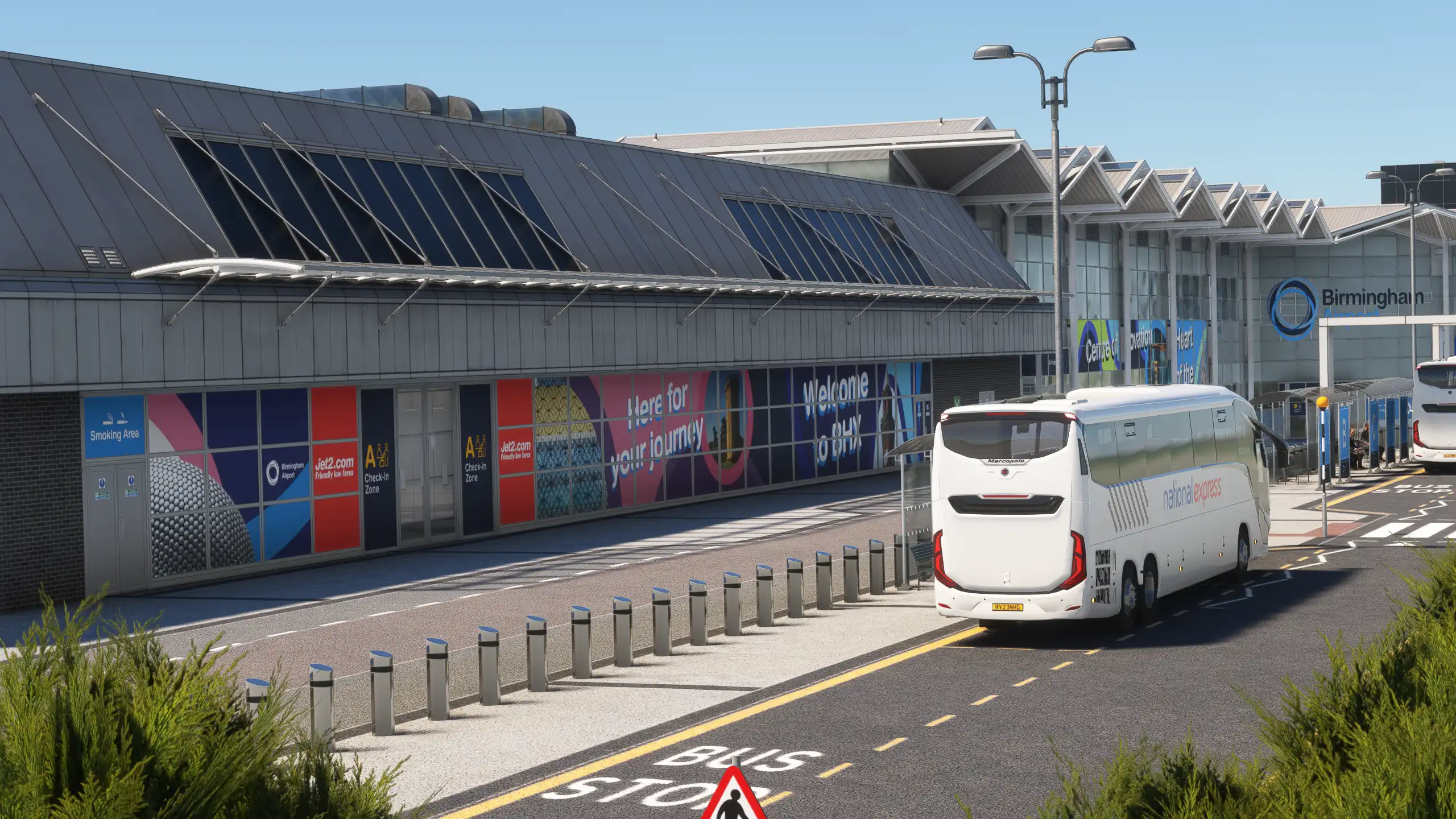
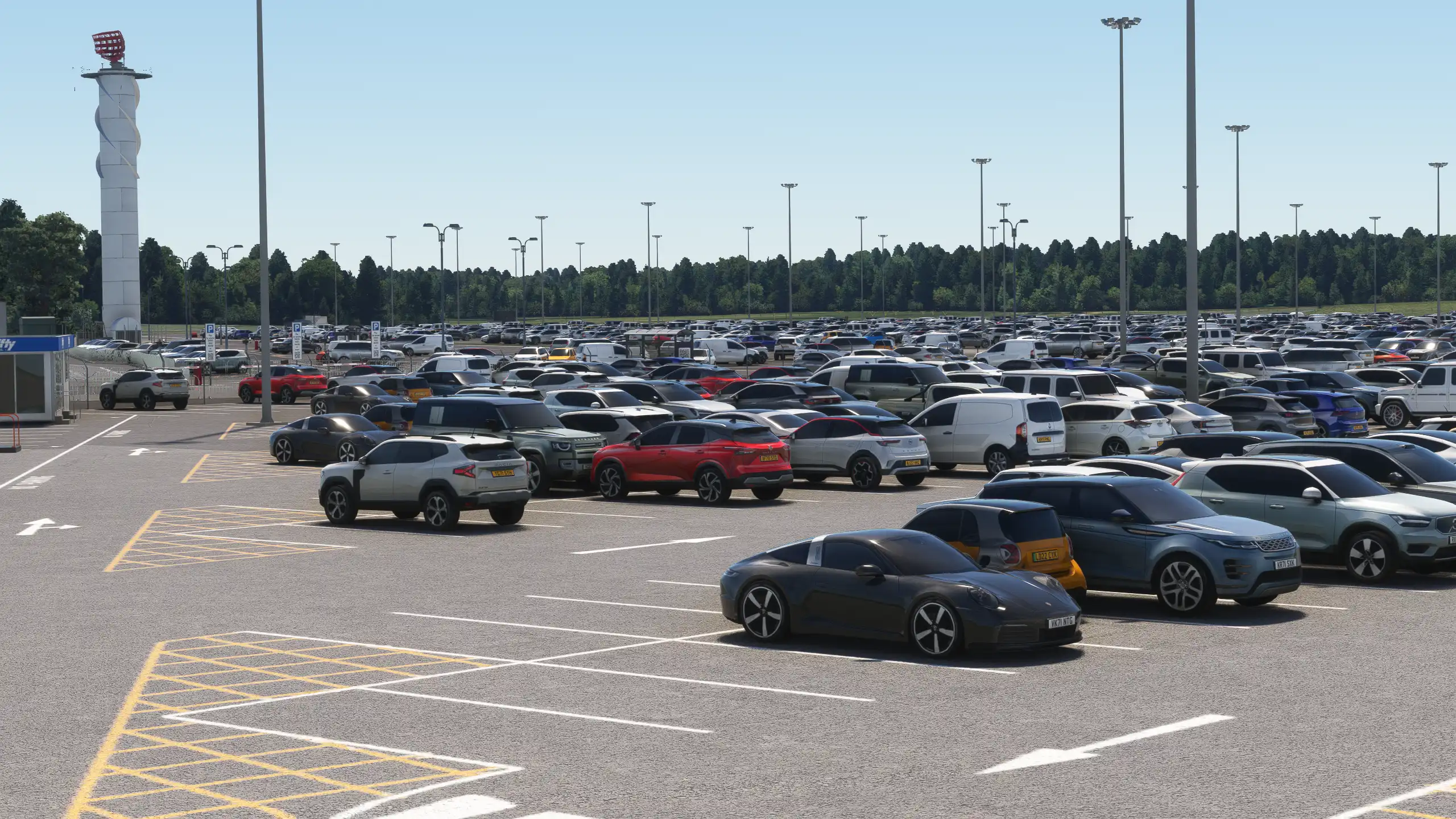
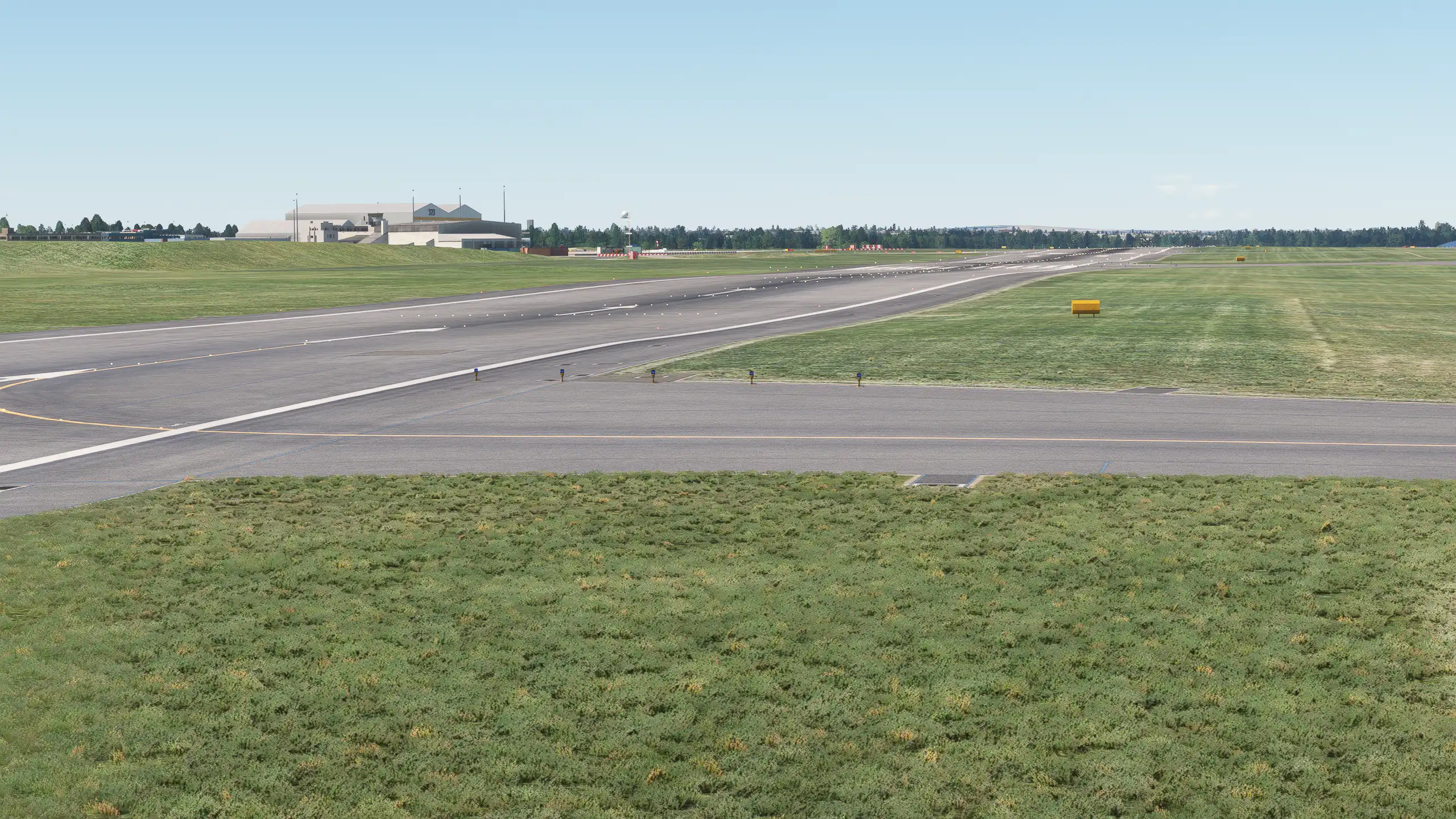
I spent an obscene amount of time just moving around with the drone camera, with my jaw on the floor in complete disbelief due to a combination of factors (more on that later). The factor that concerns this part of the review, though – models and textures – surely is of a very high standard overall. Thomas Shelby would be proud!

Night Lighting
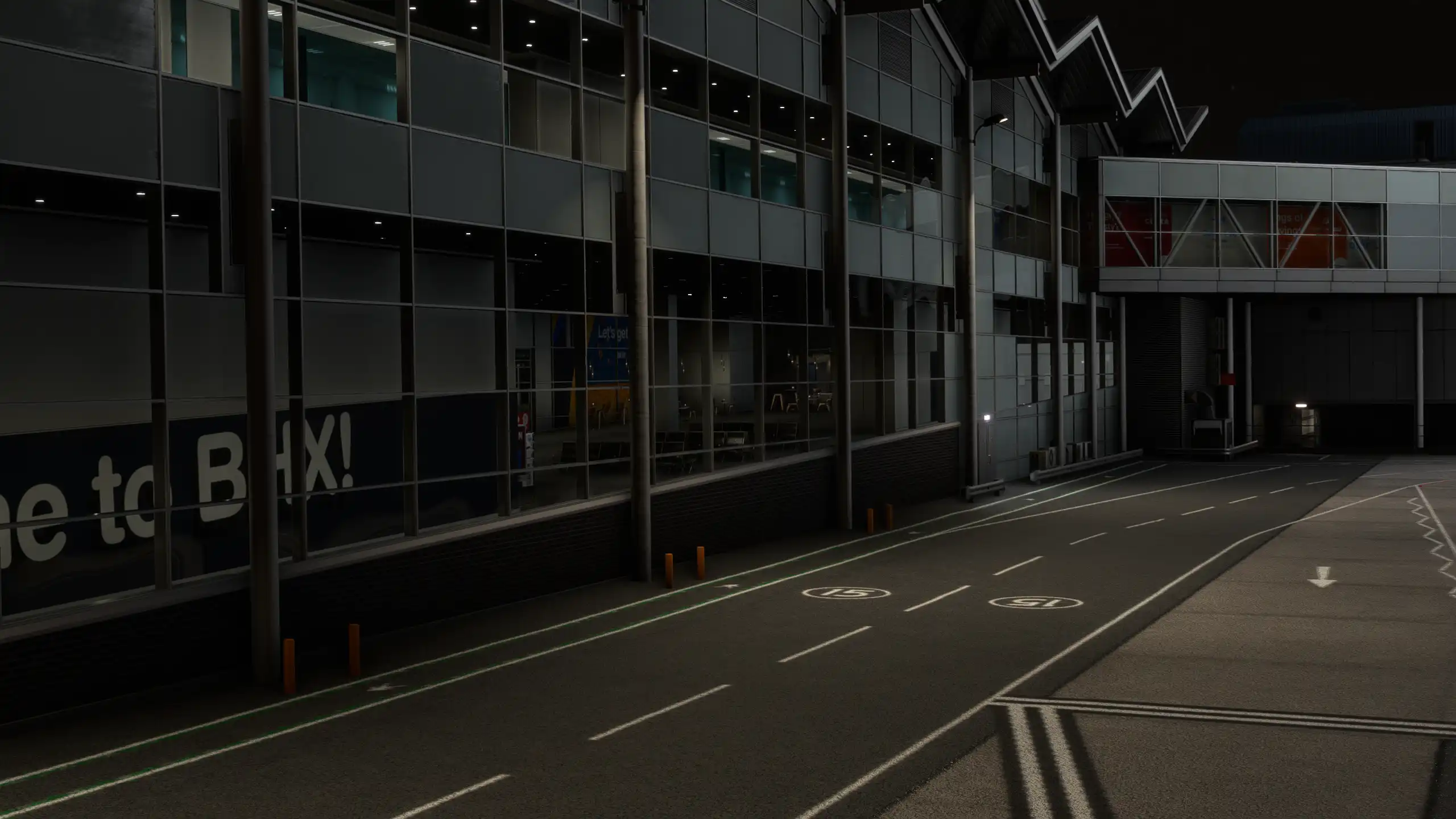
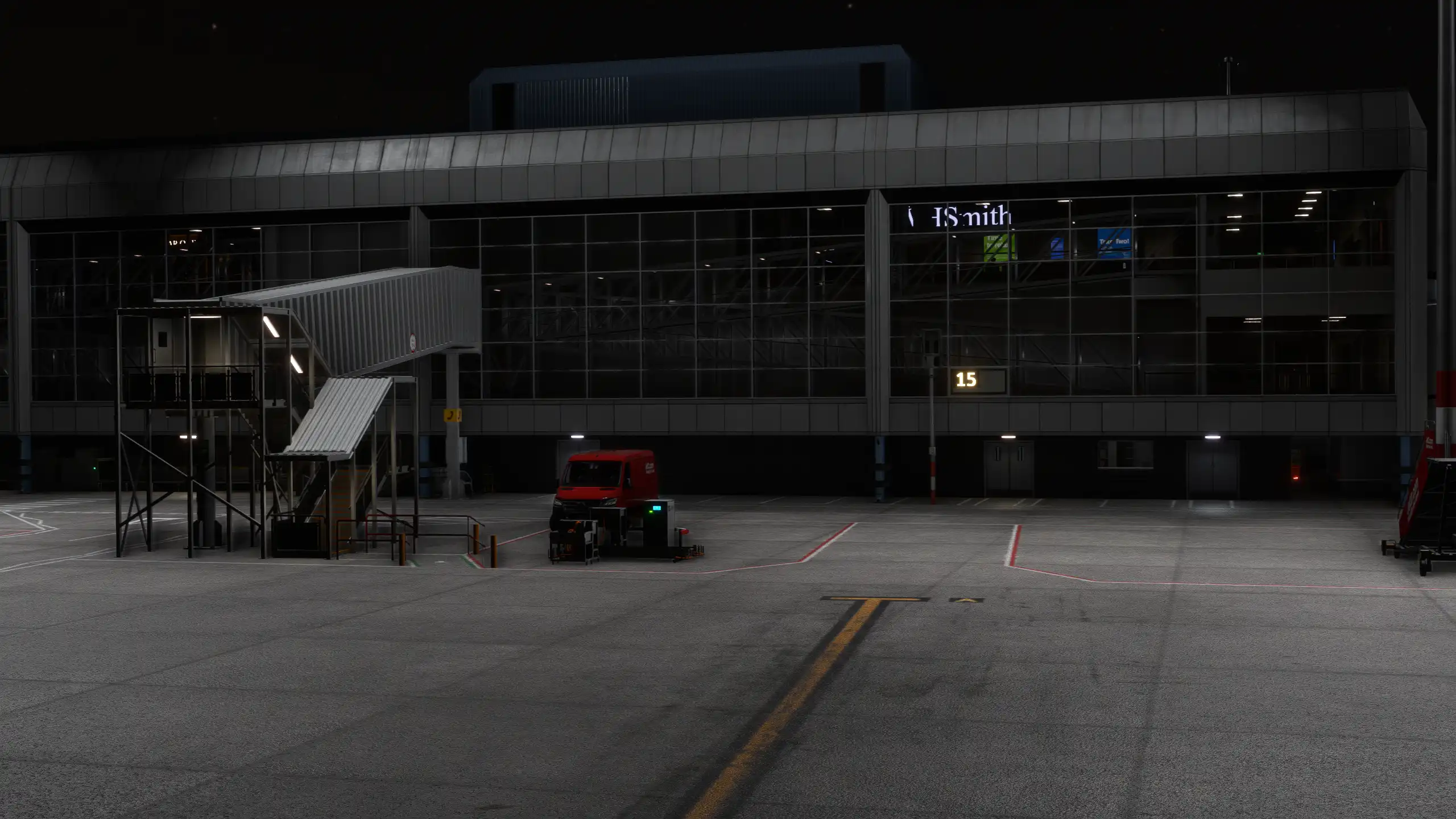
The nocturnal illumination strikes a really good balance externally, looking very natural and close to what you would expect it to look like at night in real life. There are no overly dark spots anywhere, including the terminal area, apron, GA area, and hangars.
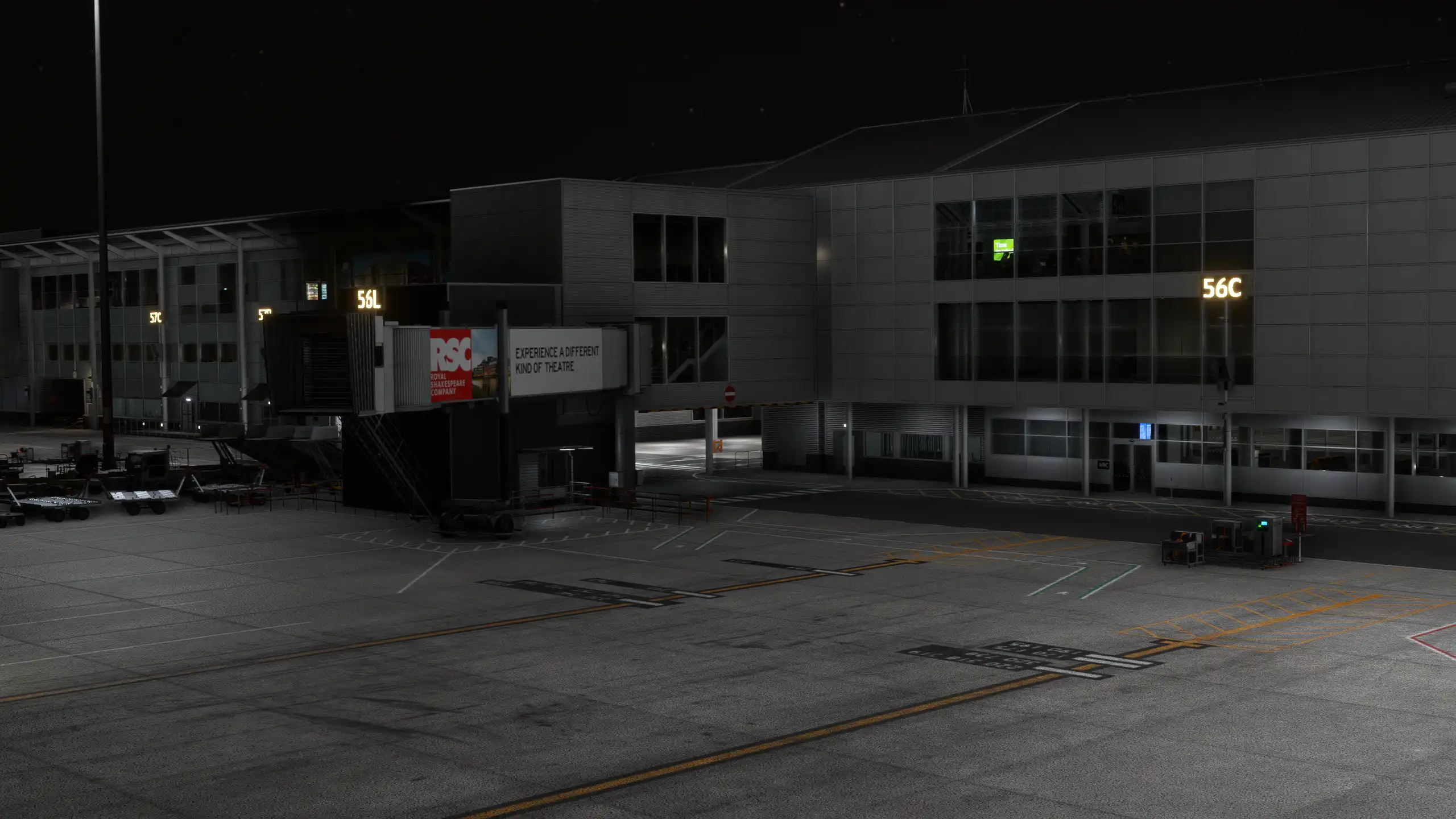
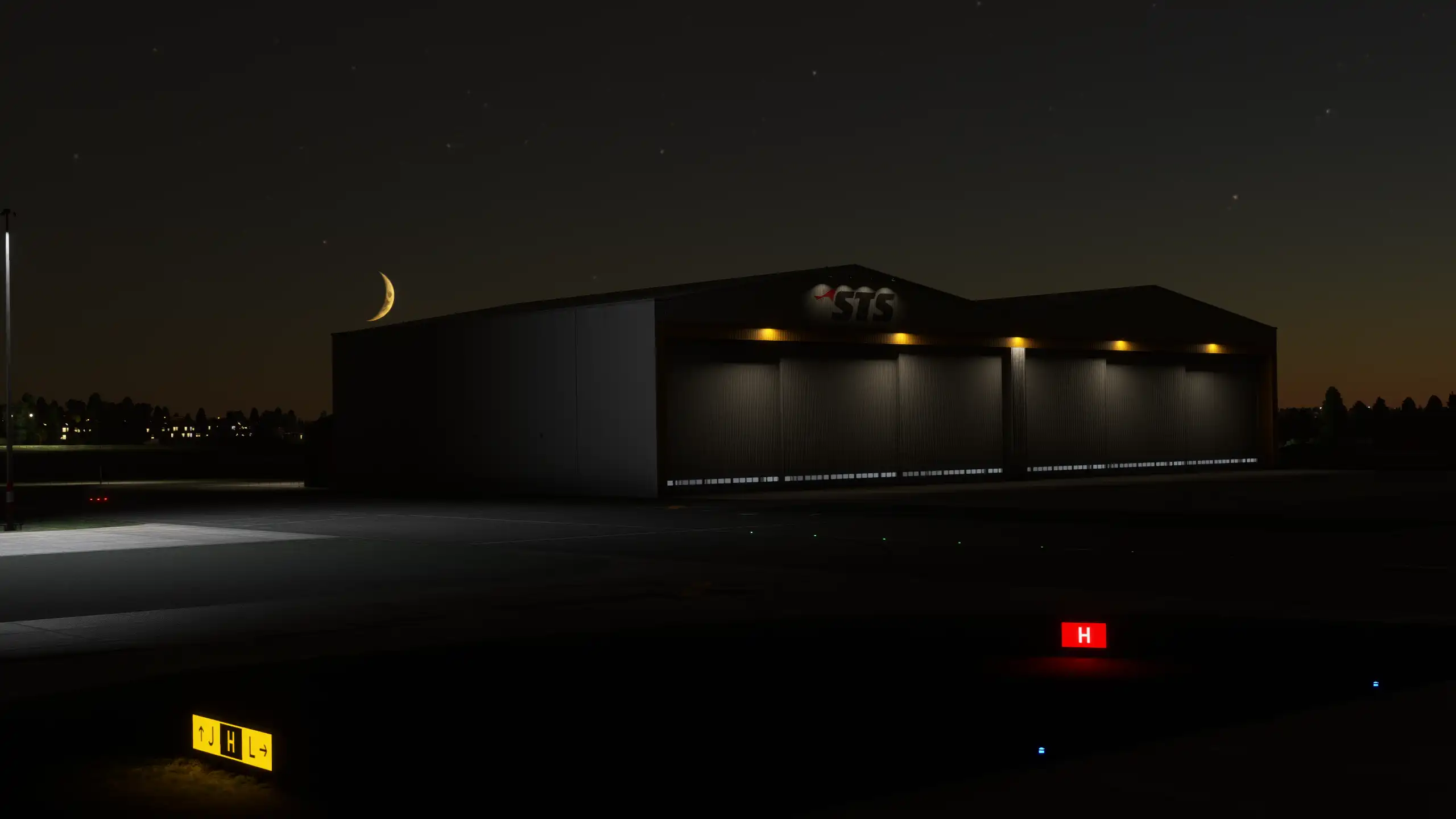


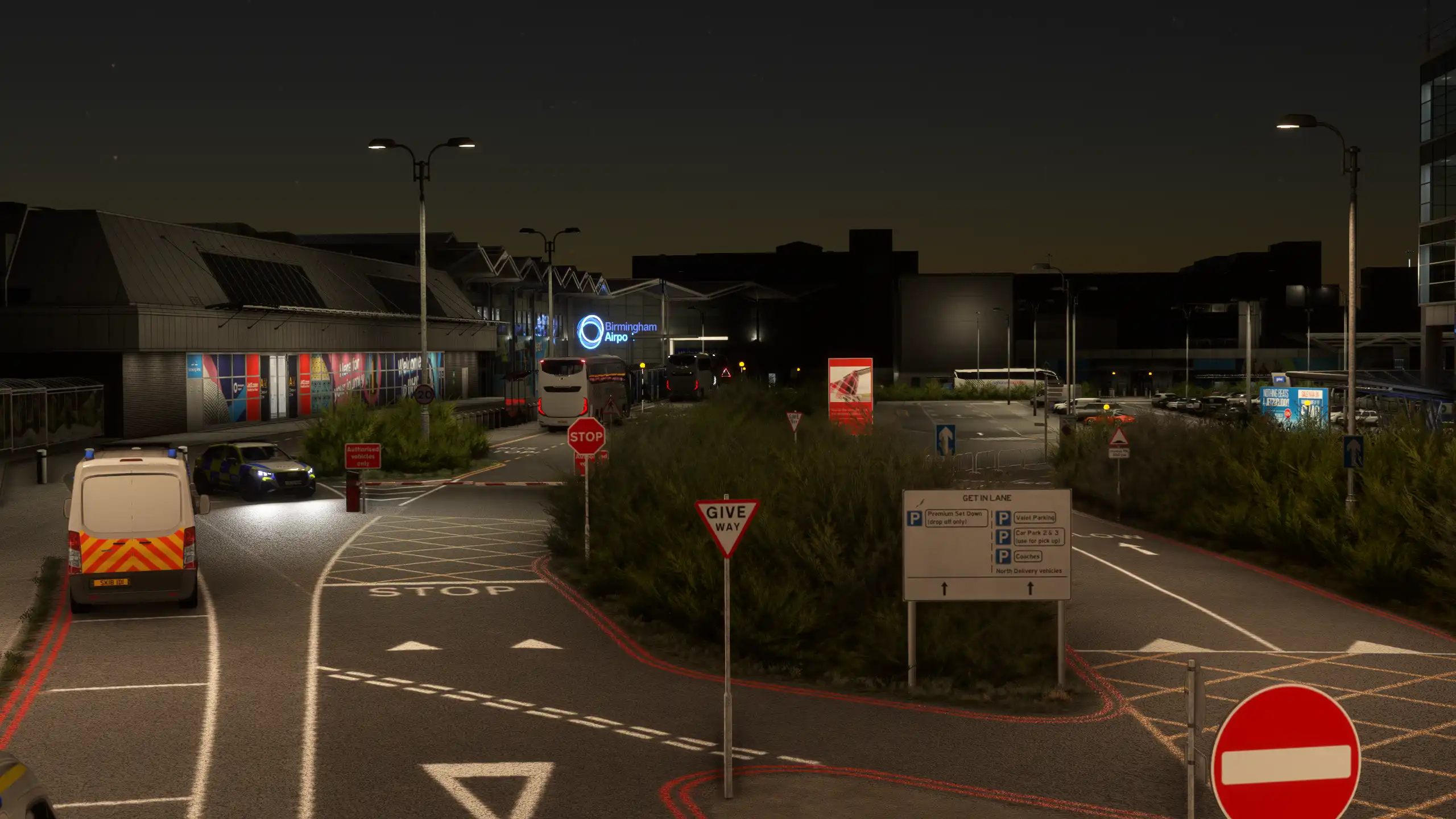

The taxiway and runway lights are pretty good, making nighttime taxiing effortless, even when the add-on airplane doesn’t have the strongest taxi lights.
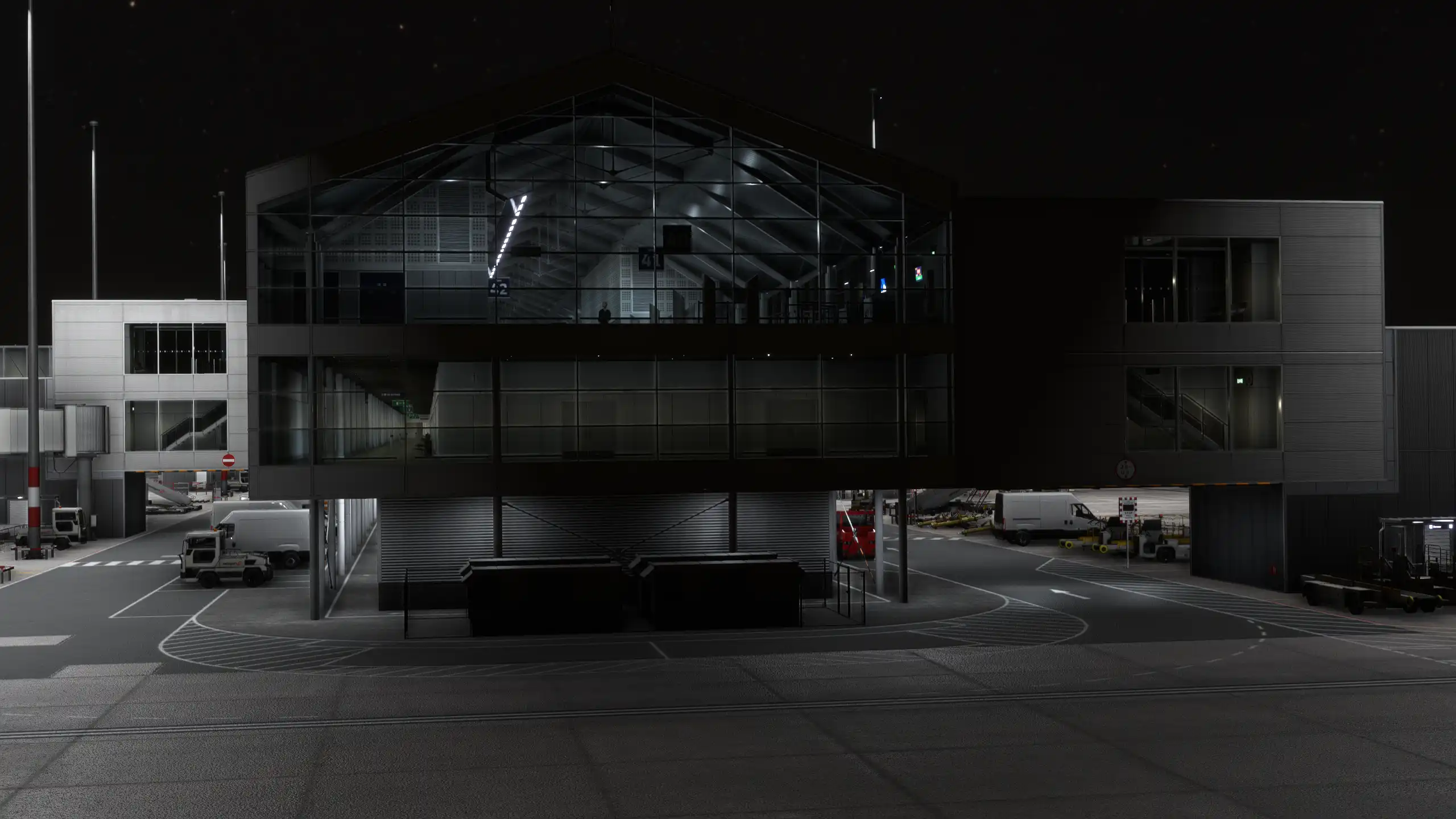
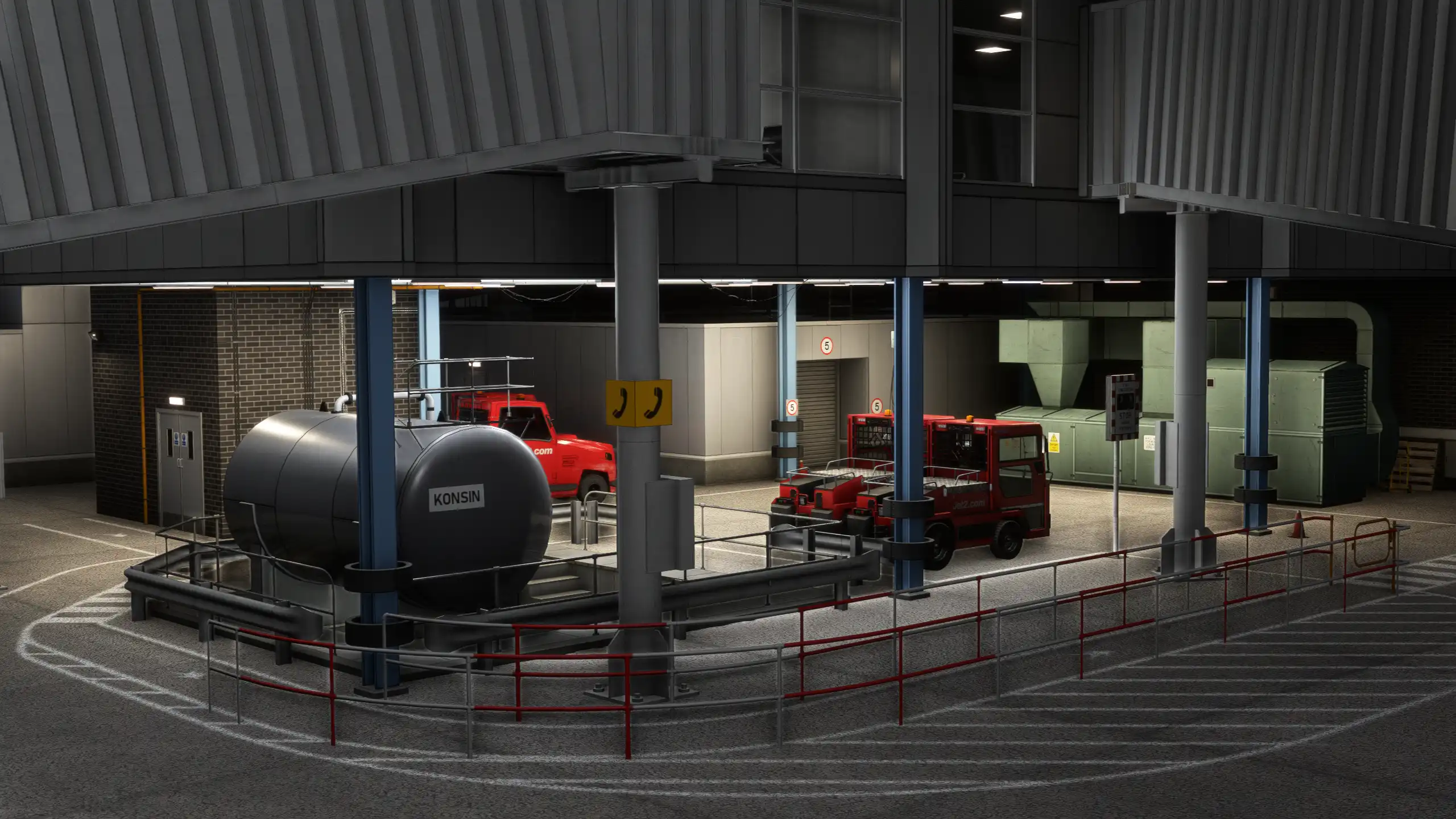
The interior lighting matches the quality of the interior, being nothing short of impressive for today’s standards.
Performance
My Setup: 32 GB RAM DDR5 6200 MHz, Ryzen 7 9800X3D 5.2GHz, Nvidia GeForce RTX 3080 10 GB, 2 TB SSD NVMe 6000 MB/s R&W
I was a little concerned about how it would run, as I heard their last scenery – Edinburgh V2 – was very heavy on performance, and Birmingham is just about the same size.

I was positively surprised when the framerate did not flinch from high 40s on final and remained that way even after touchdown and taxi to the stand. The terrain LOD also did not move an inch from 200. It’s not every day that I see that, especially with scenery of such complexity.
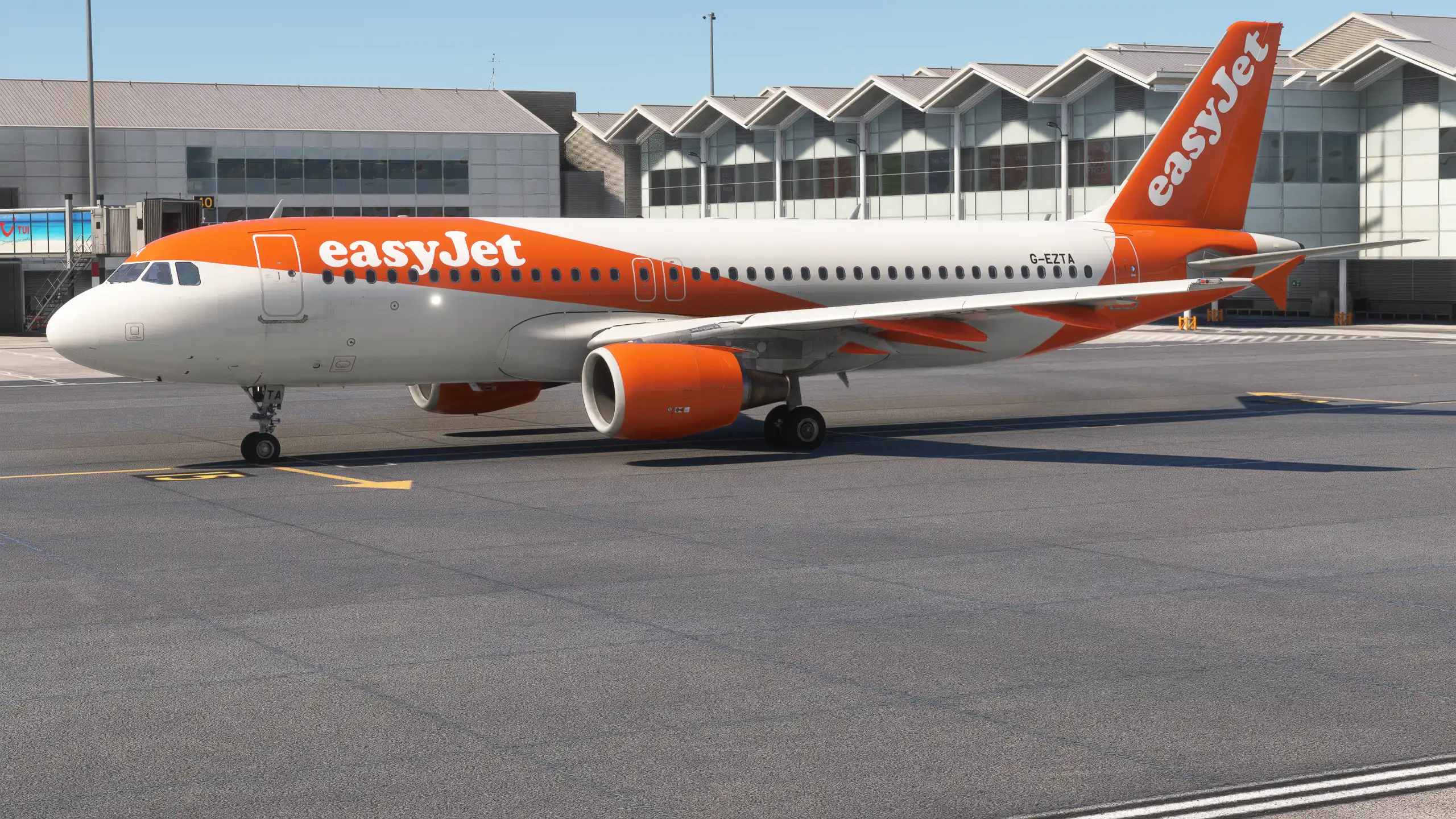
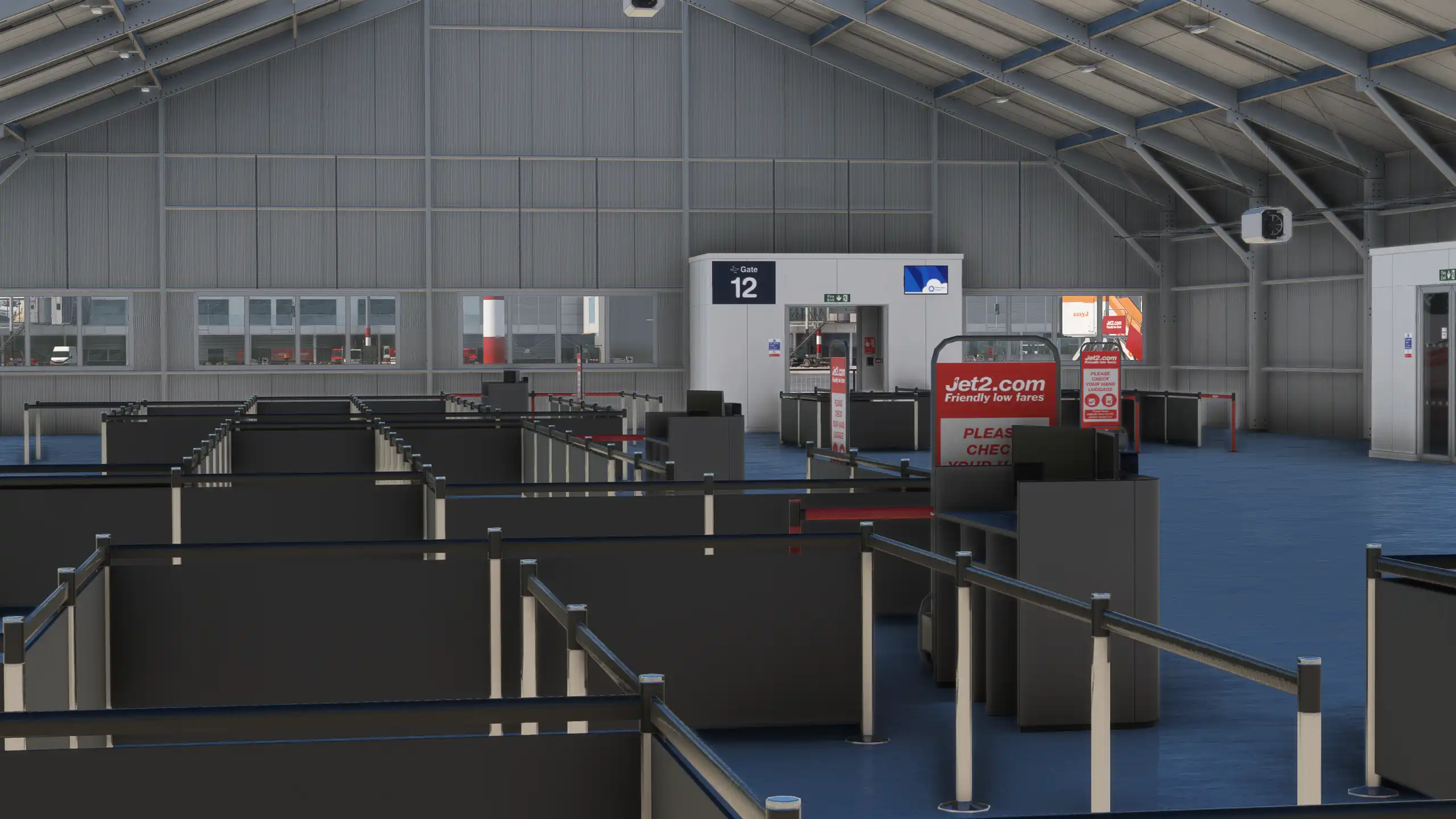

At first, I thought it was because I had just loaded an autosave and had no live weather on, but it remained the same upon reloading for screenshots. I even flew into Birmingham again with another plane just to make sure, as it could have just been a good match with the PMDG 738. The same figures were seen on the Fenix A320, too, almost no difference (just a few frames, but the LOD was not flinching either).
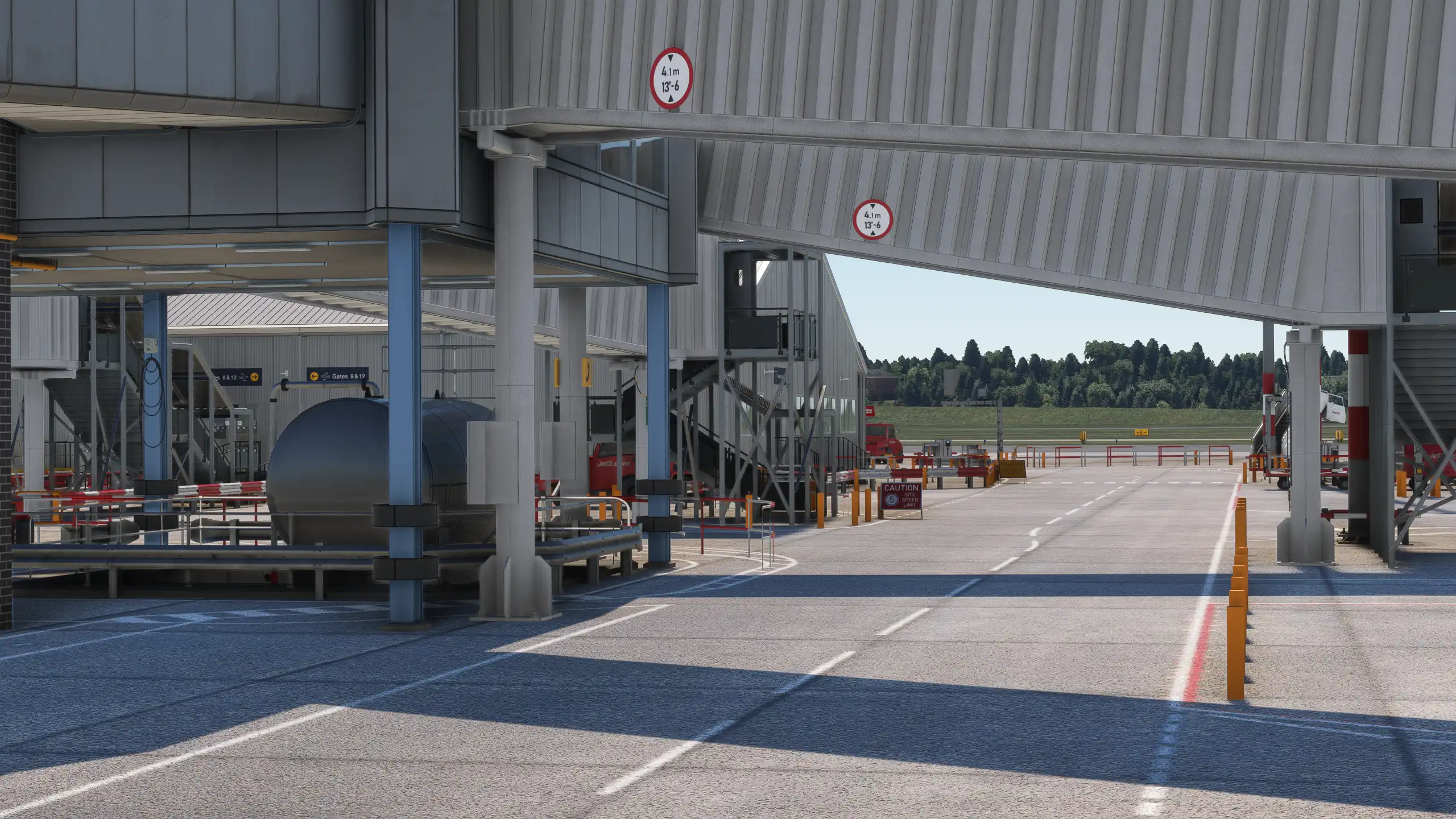
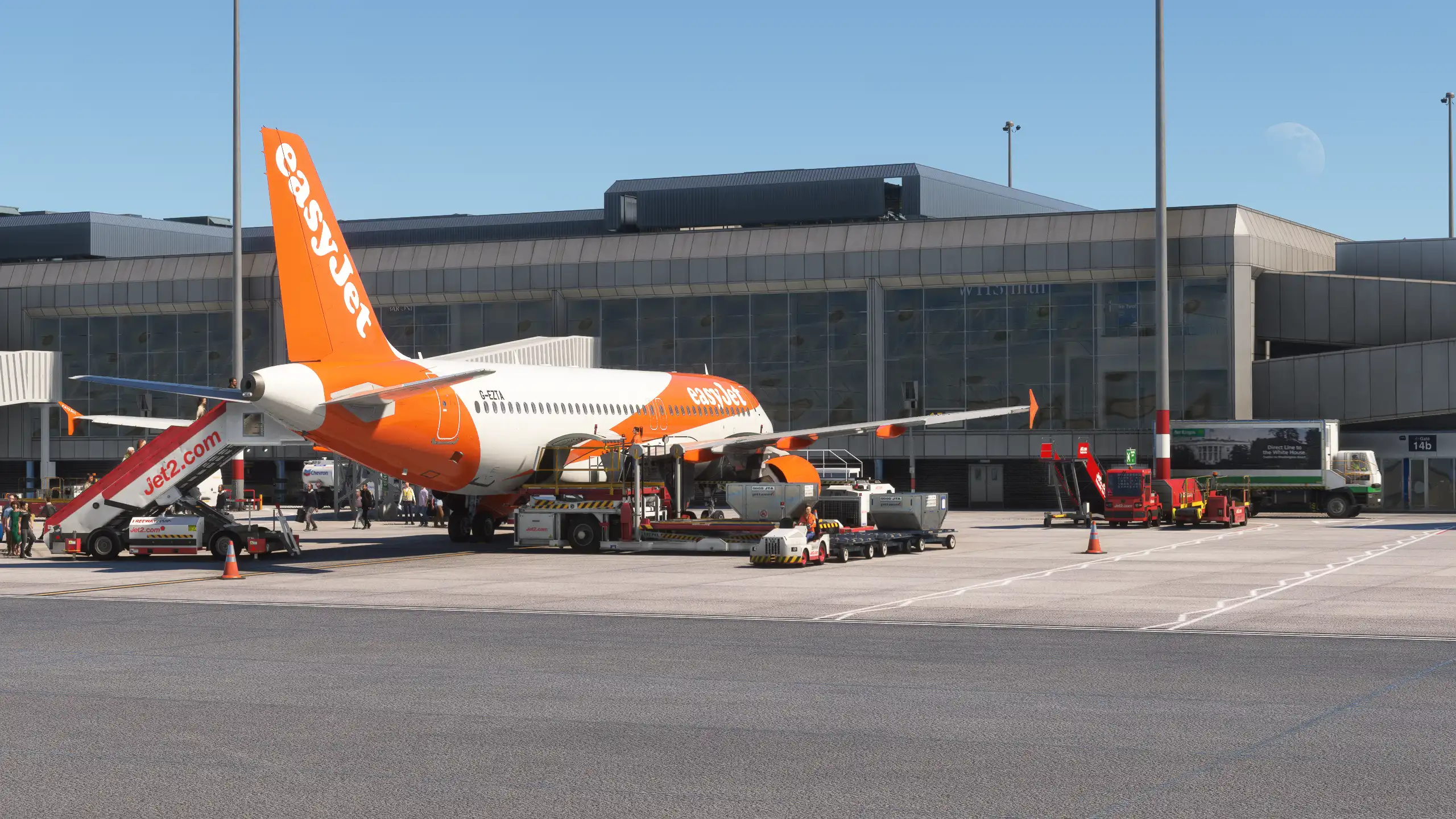
I had up to 60 in the 738 (my frames are locked at 60) before calling for boarding and mid-50s in the Fenix A320, eventually dipping to low 40s because GSX eats the remainder of my video memory. Performance figures rely solely on raw raster; no frame generation involved, meaning it could be up to twice or more with Lossless Scaling or Nvidia’s Frame Generation.

The overall figures I was getting are pretty close to what I generally get around default airports near photogrammetry areas, which is crazy to think about if you consider the amount of detail and clutter packed in.
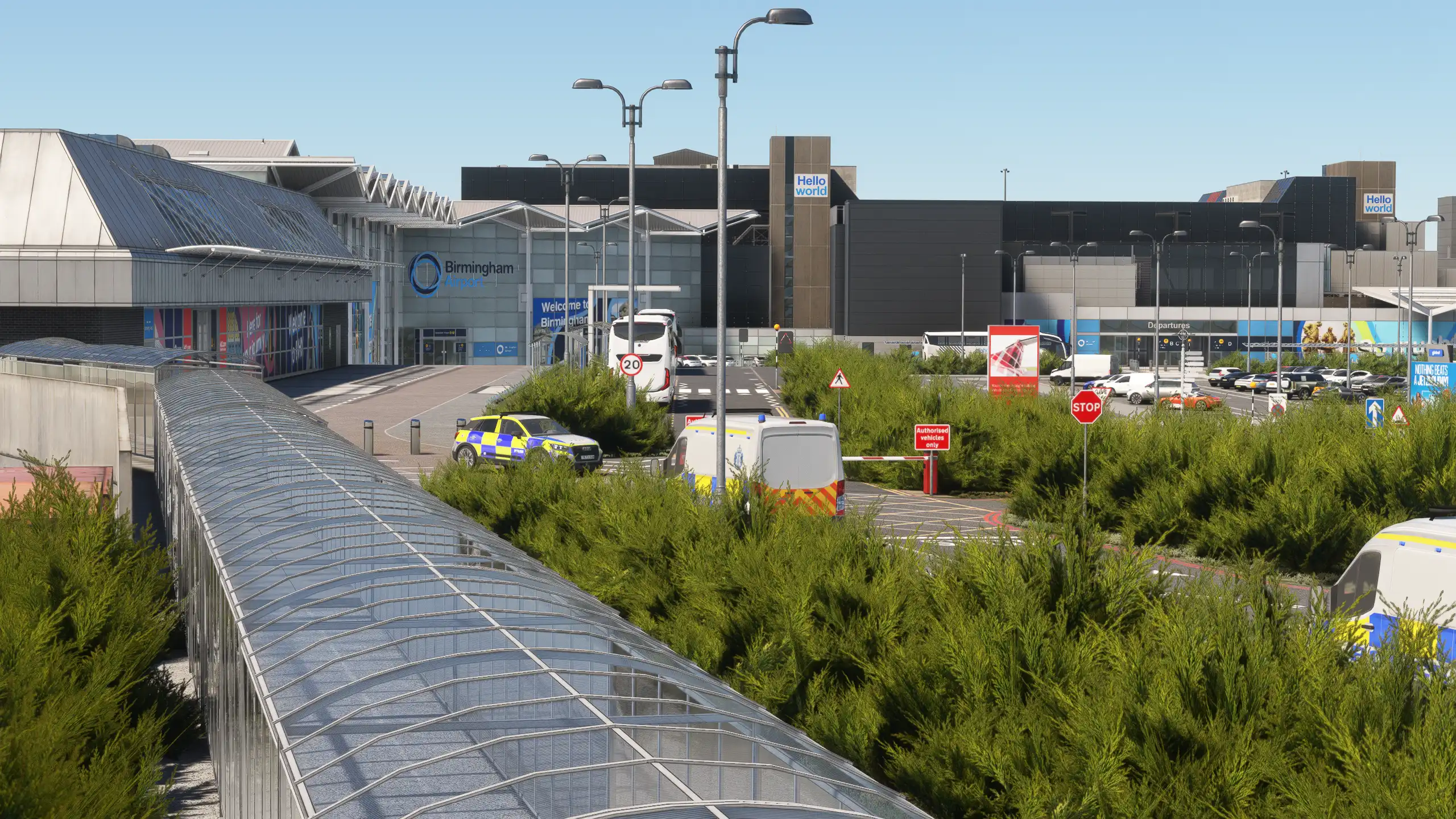
While droning around, my frames sat at 60 and did not flinch once, with the TLOD pretty much locked at 200. It only dropped to 160 for a little bit, but quickly recovered again. For comparison, I generally see my TLOD hit 50-100 around most big payware airports.
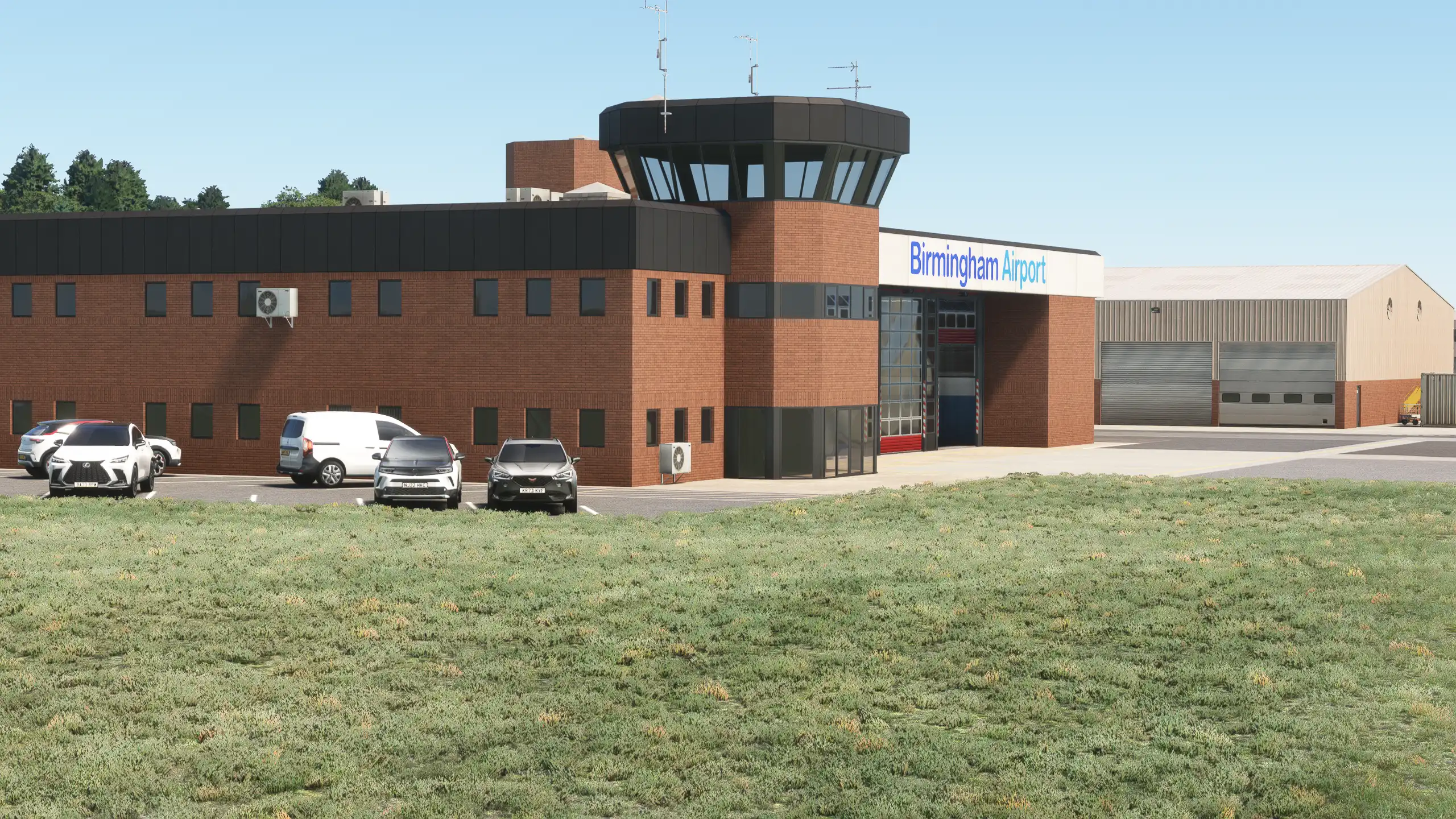
All in all, the optimization work is nothing short of commendable. It brings figures closer to what a default airport would run like rather than an airport with 25,000 square meters of modeled interiors, hundreds of custom static cars, trucks, and vans, and ground service equipment galore.
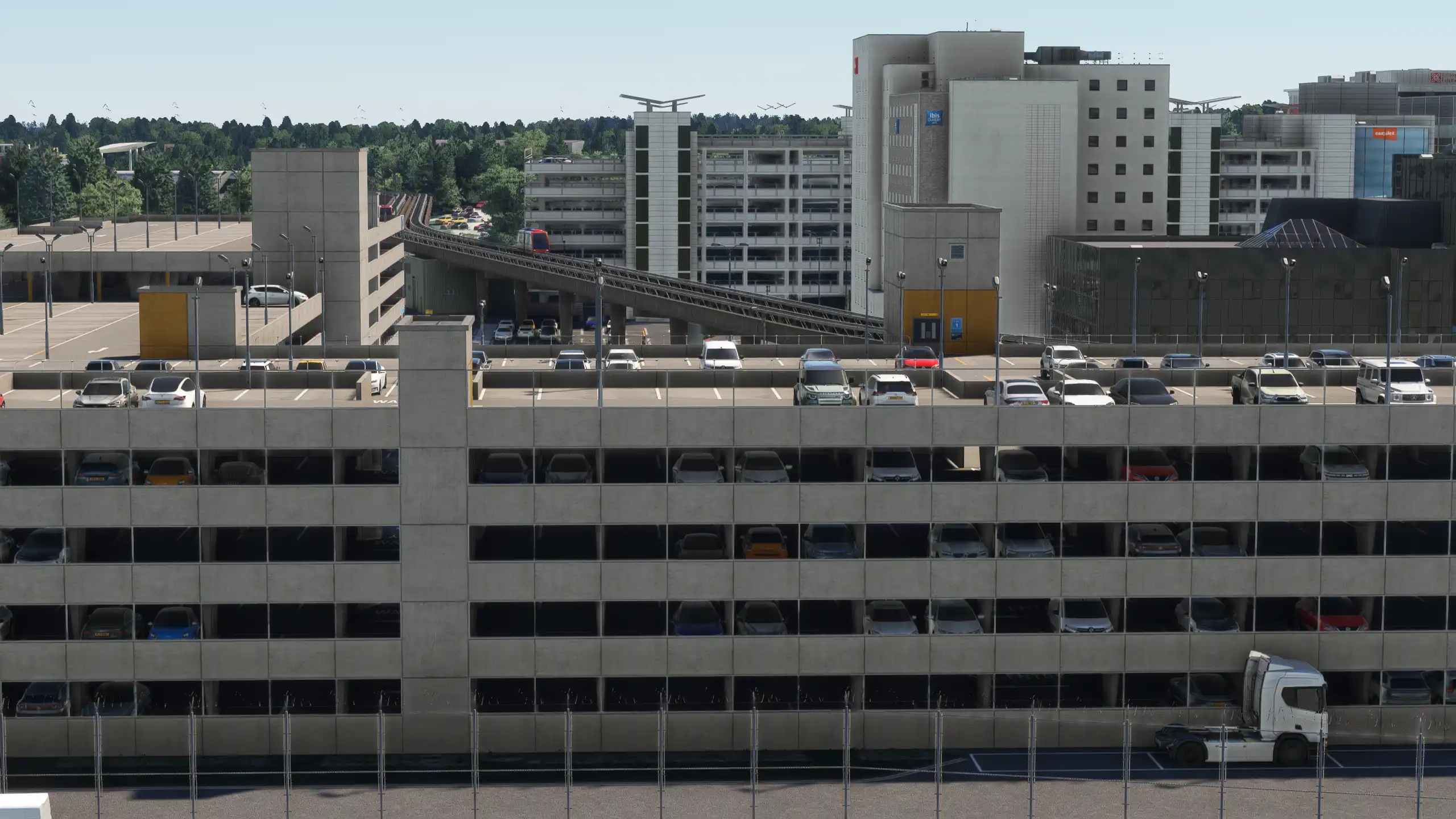
When I mentioned my jaw was on the floor because of some factors, performance was undoubtedly one of them. I did not expect it to run as well as it did.
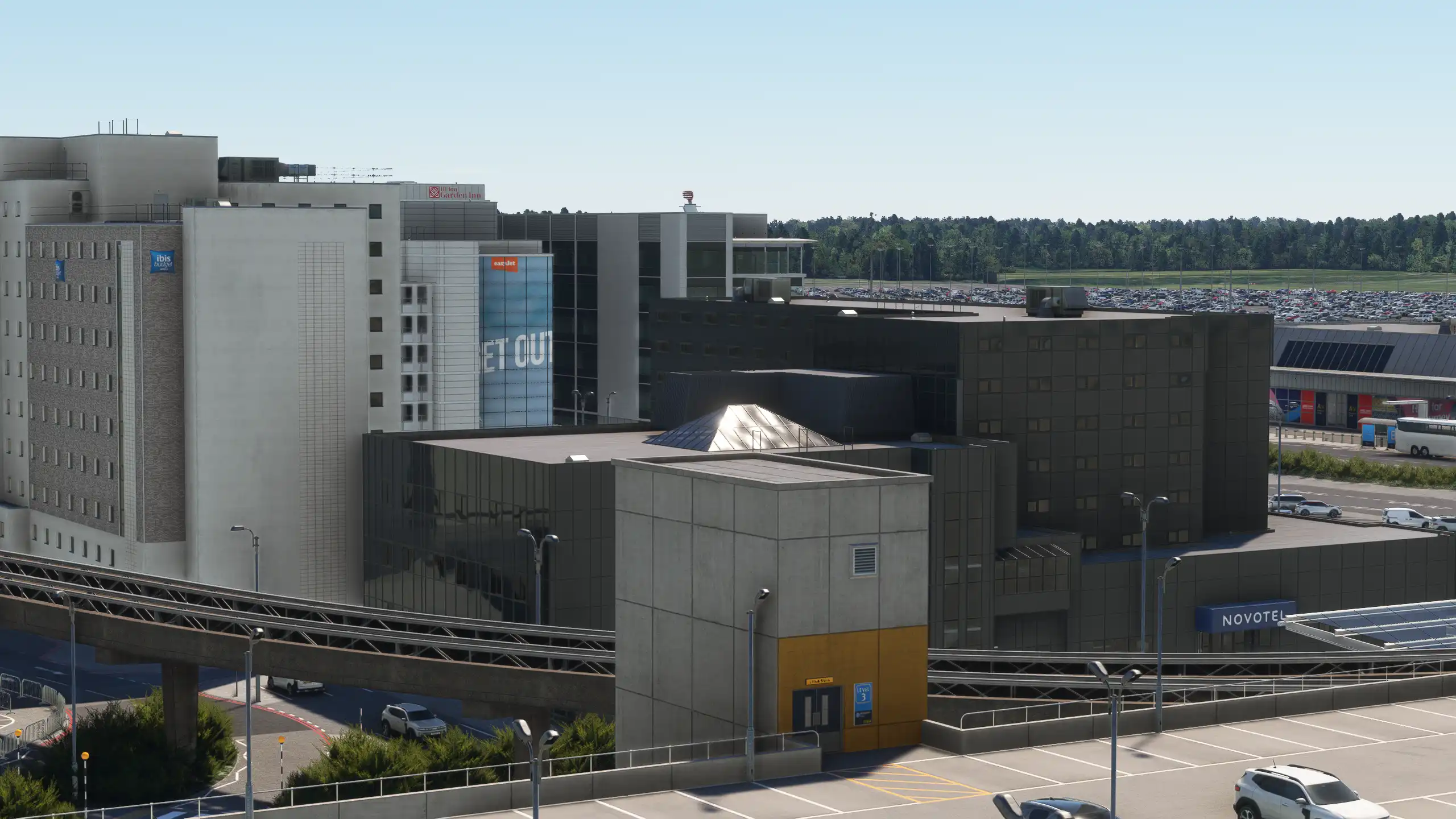
Therefore, it is safe to say that Pyreegue not only pushed the boundaries of detail, but also managed to bring unparalleled performance optimization to the table, which is rarely seen these days, meaning a lot of developers generally have to choose between packing in detail and making the scenery very demanding or compromising a bit on the overall quality with simpler interiors (which does not detract from the product too much as it is an airplane piloting simulator at the end of the day, but you get what I mean) to squeeze out as many frames as possible. Pyreegue has managed to combine high detail and high performance somehow.
Conclusion
For $22.82, you can get what is arguably one of the most advanced sceneries for Microsoft Flight Simulator 2020/2024 in terms of how far it pushes the detail boundary, with absolutely no compromises whatsoever and yet still managing to run incredibly well, even on VRAM-limited builds like mine. It’s no easy feat, and I can count on my fingers how many times I have seen it done this well.
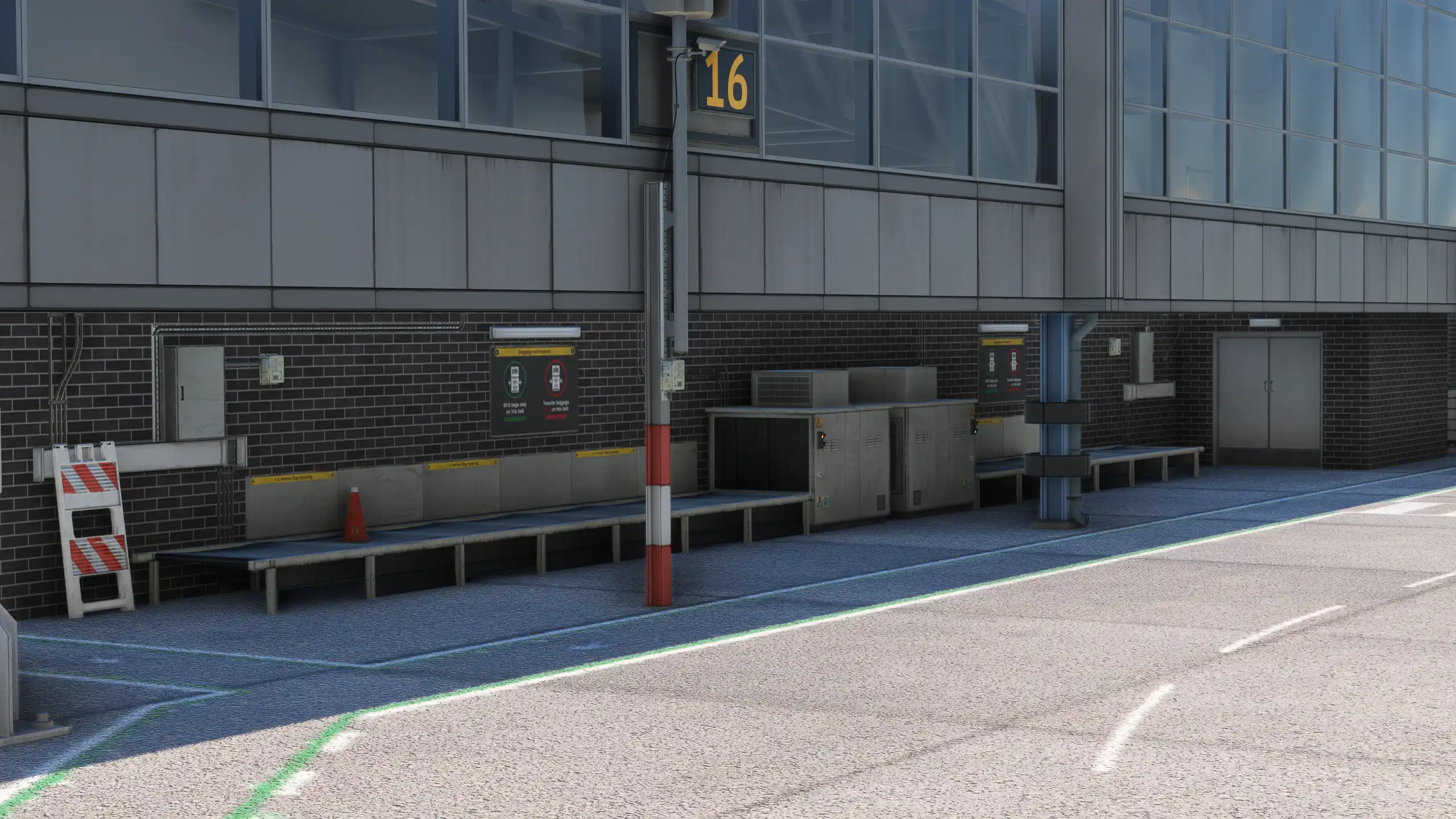

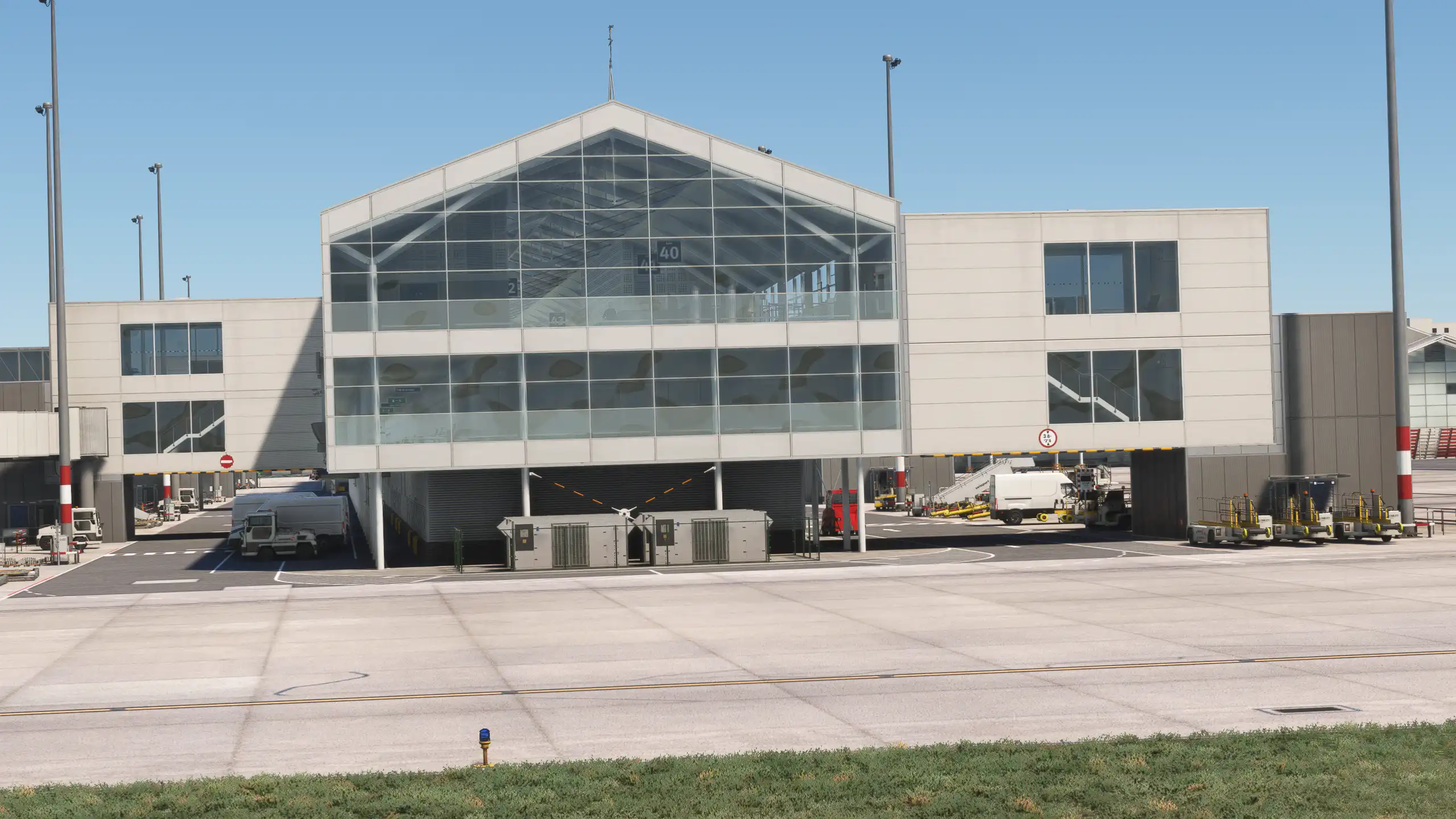
Birmingham is one of the busiest airports in the United Kingdom, with many short, medium, and long routes. Enjoy flying Boeings? Jet2 and TUI. An Airbus lad, perhaps? easyJet and Jet2. Aer Lingus, Air France, Eurowings, KLM, and Lufthansa, to name a few, fly into Birmingham from their respective countries, adding further variety to the mixture. It’s not an airport that you’d only visit once or twice.
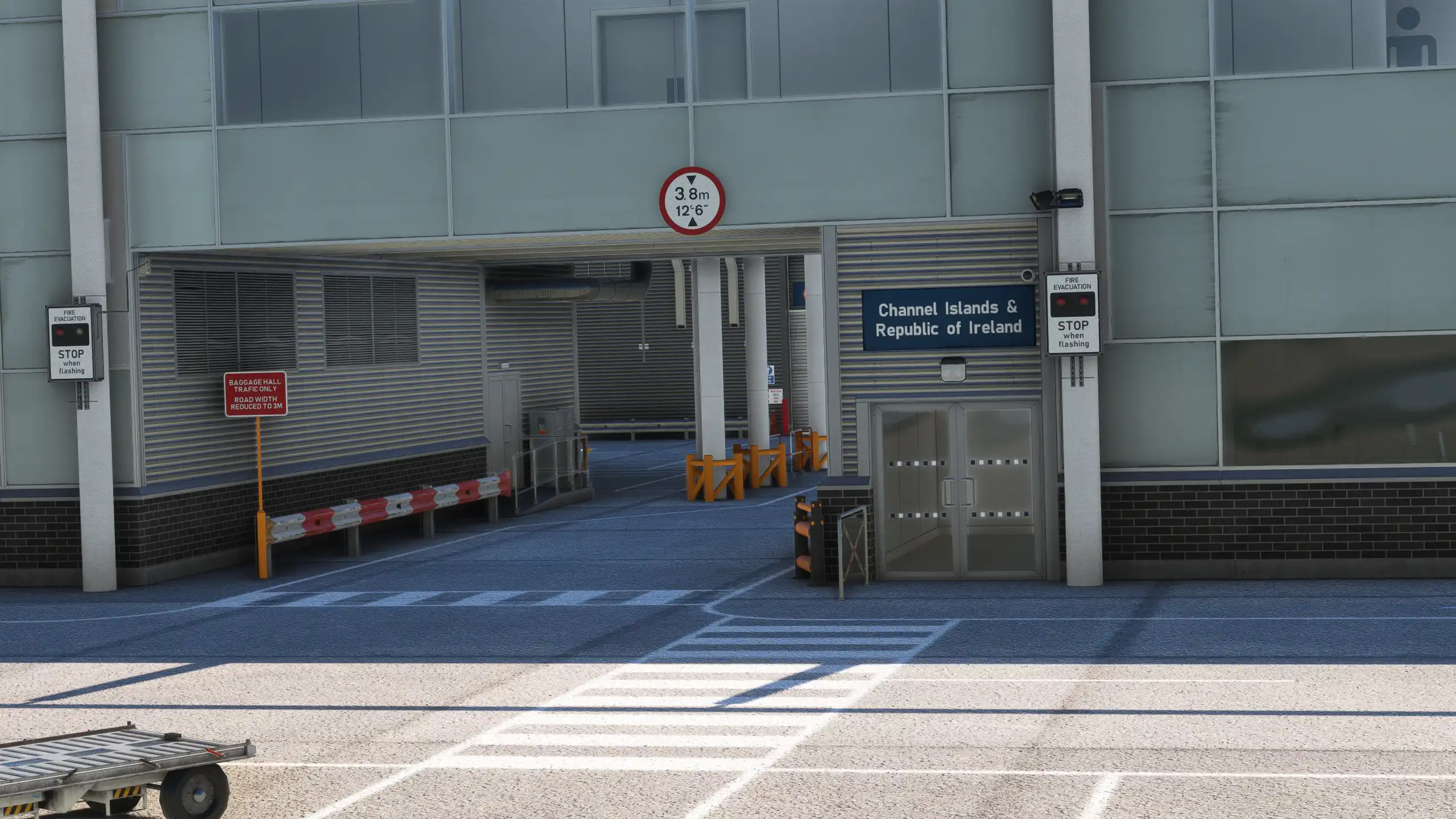
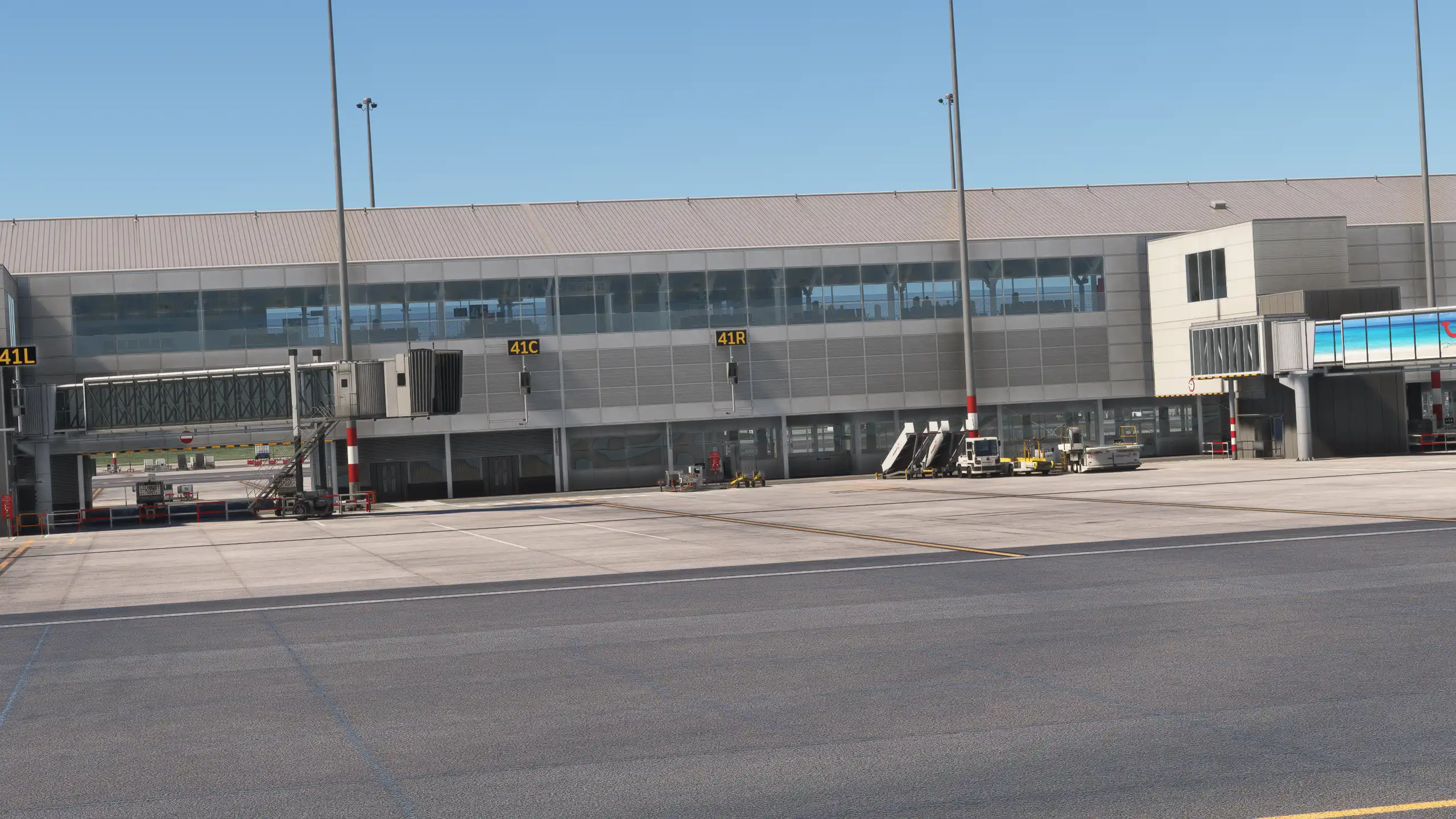
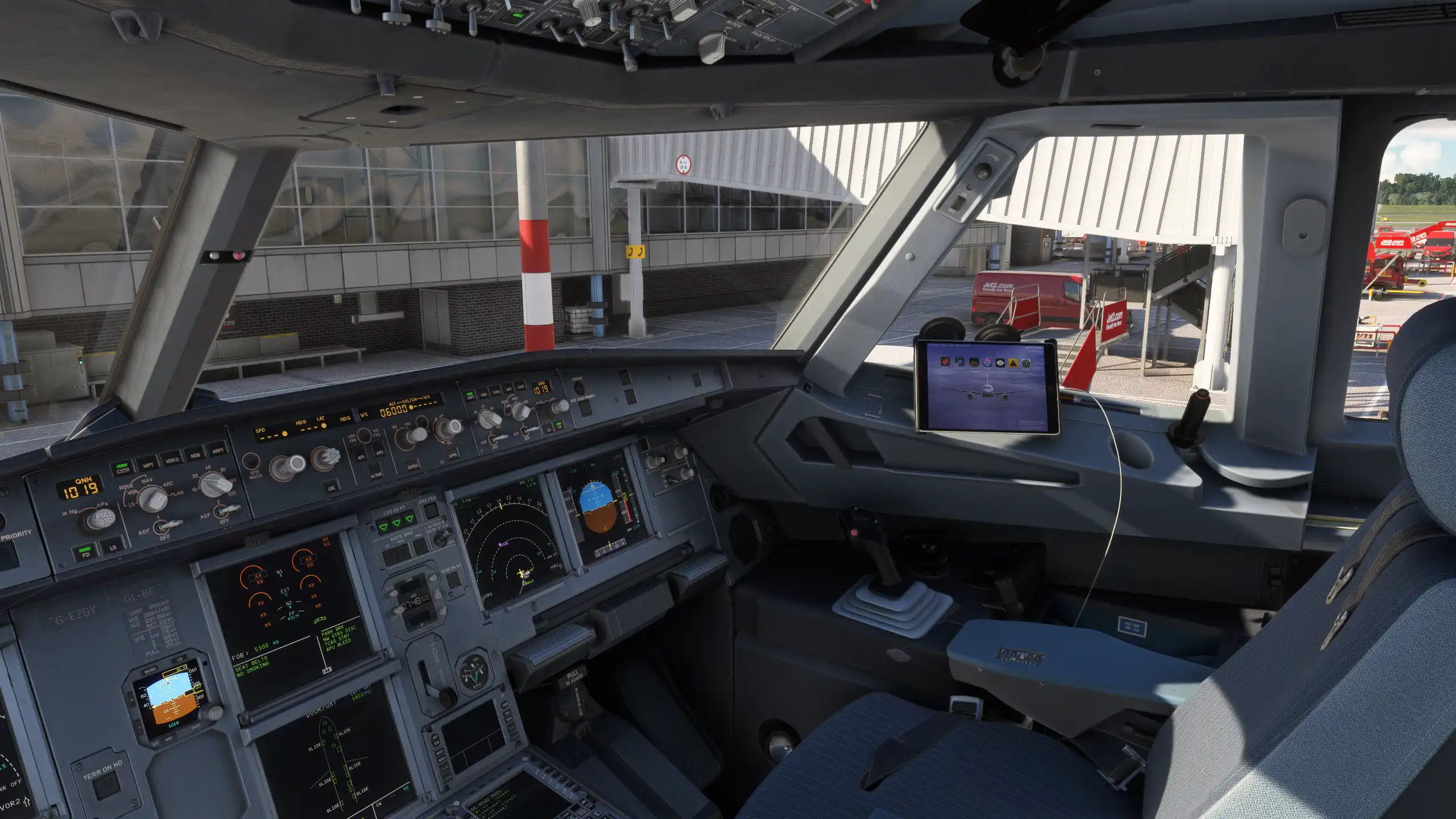
All in all, this is one of the greatest sceneries I have come across so far in my many years of flight simming. The way it effortlessly combines looks and performance deserves a standing ovation.
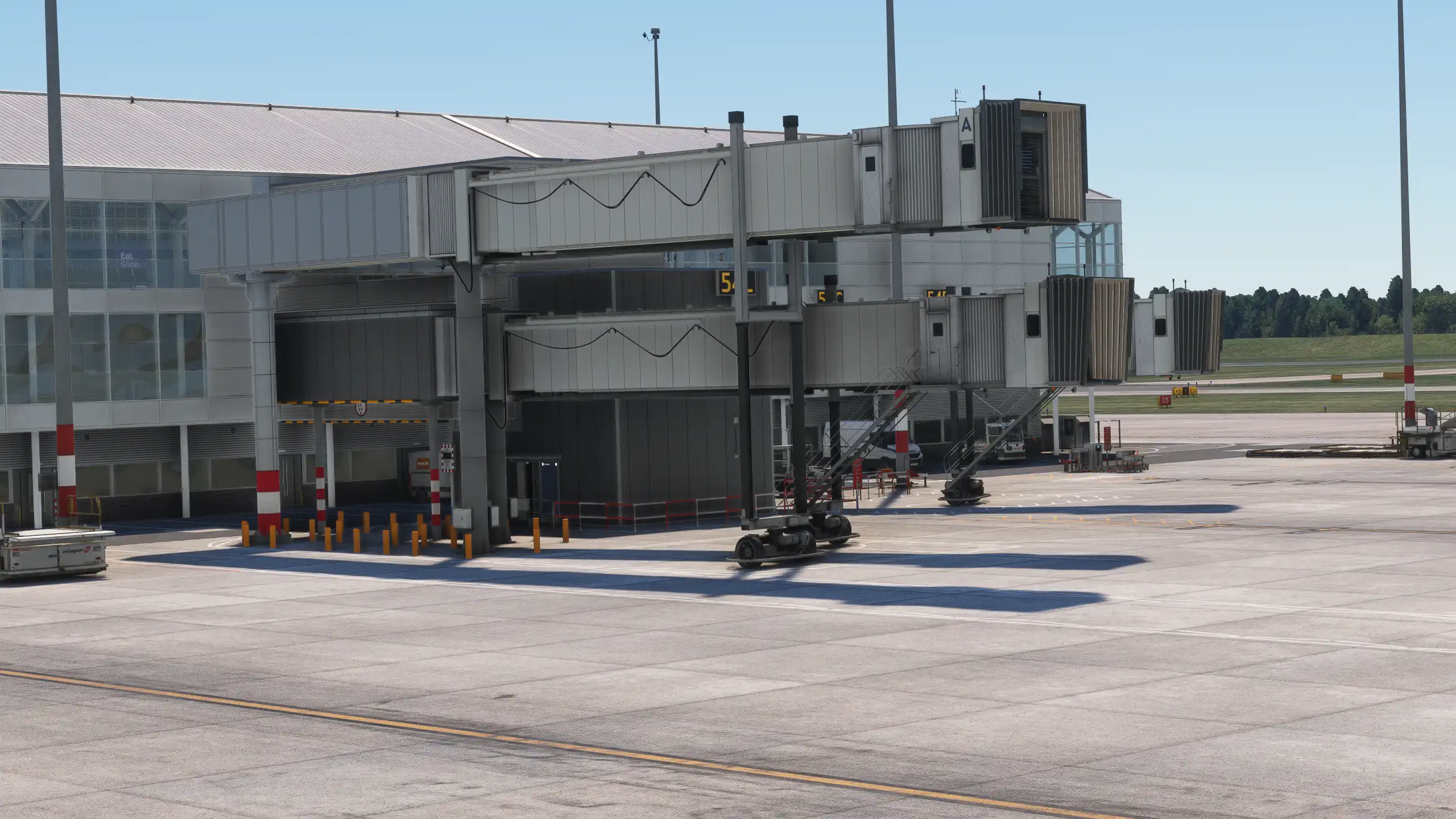


A huge thank you to Pyreegue for providing us with a review copy!
If you enjoy our content and want to support Threshold, consider joining us on Patreon!
Share this page

COMMENT ADVISORY:
Threshold encourages informed discussion and debate - though this can only happen if all commenters remain civil when voicing their opinions.