Threshold Review: Felis 747-200 Freighter
December 30, 2025
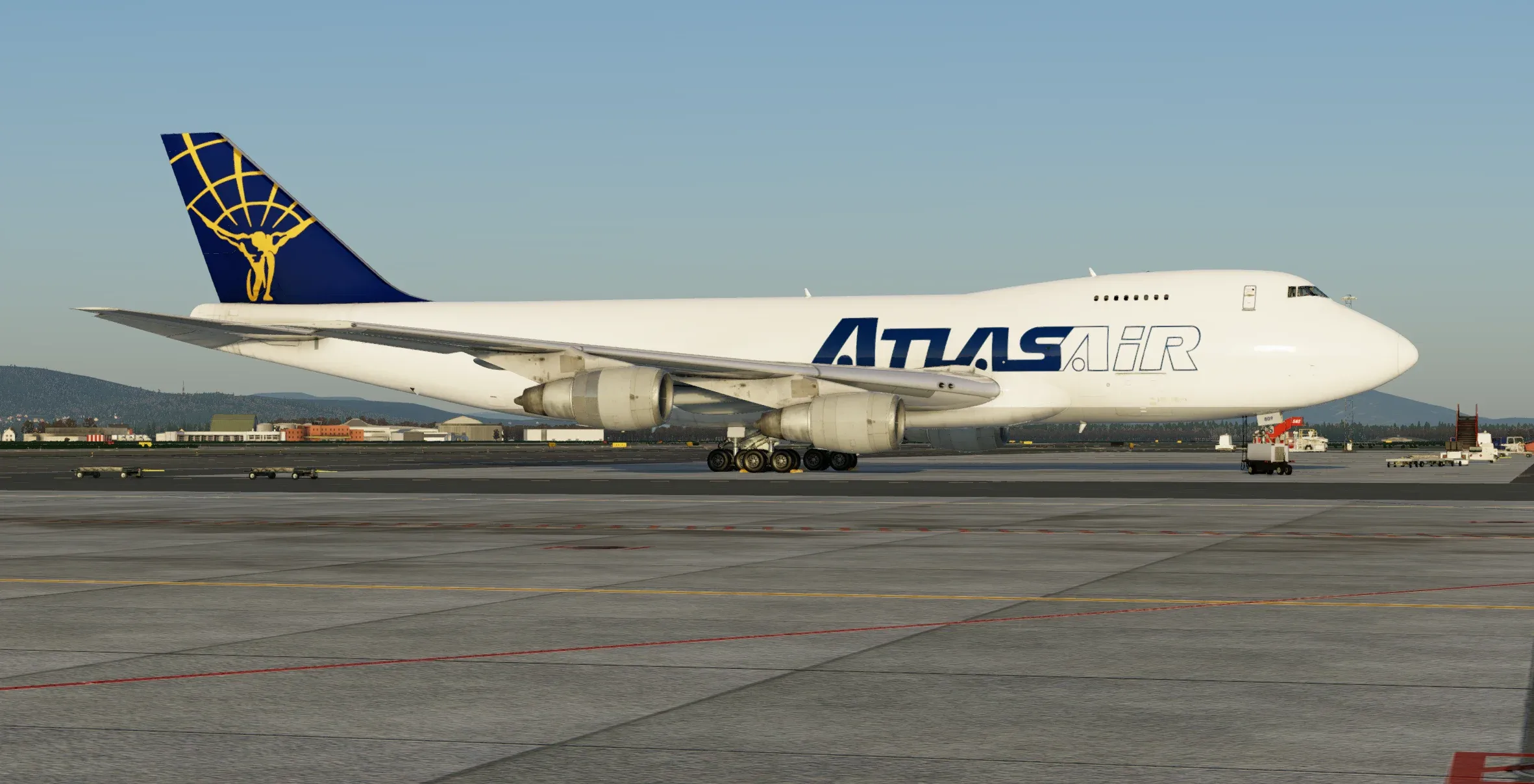
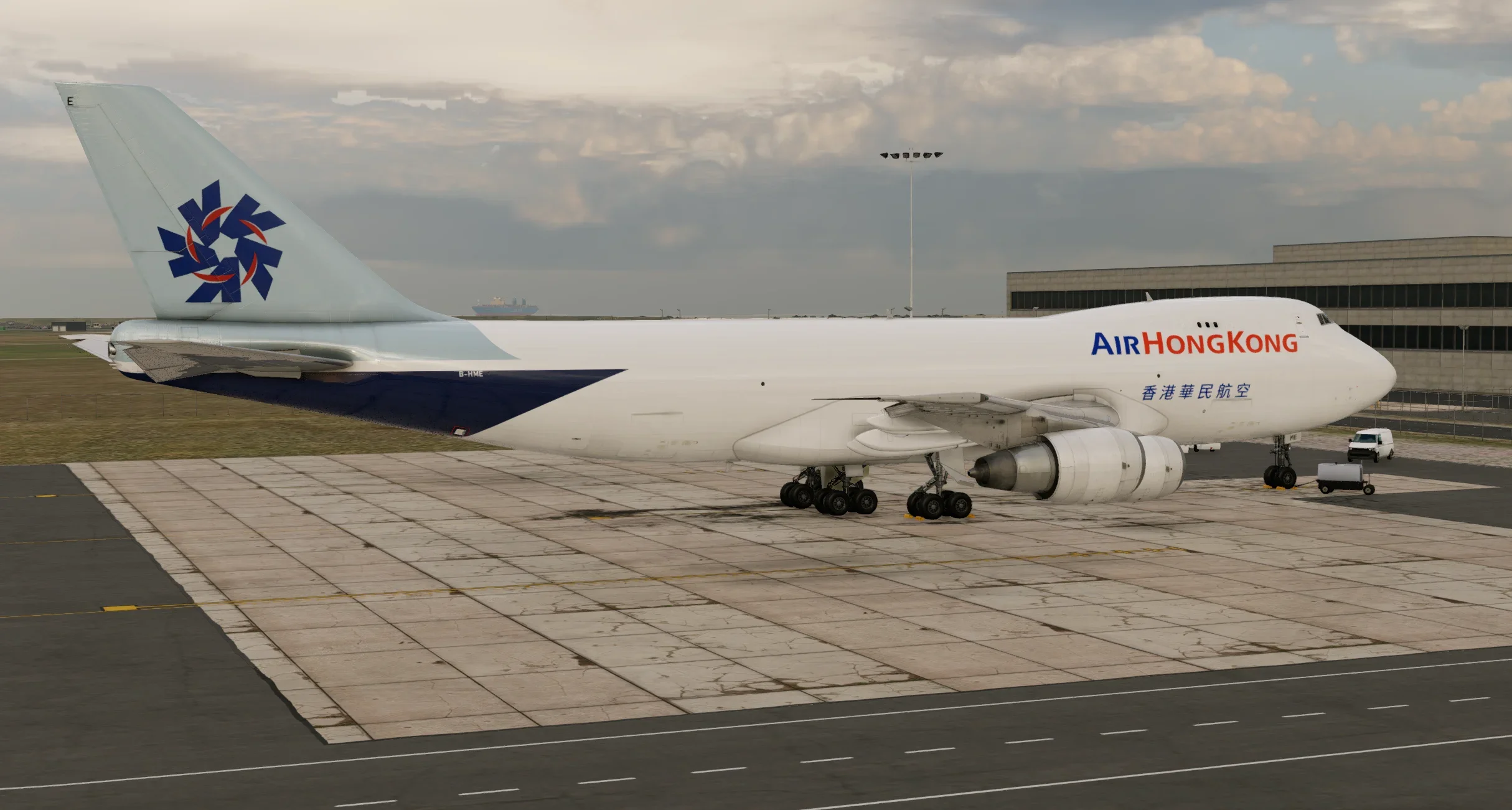
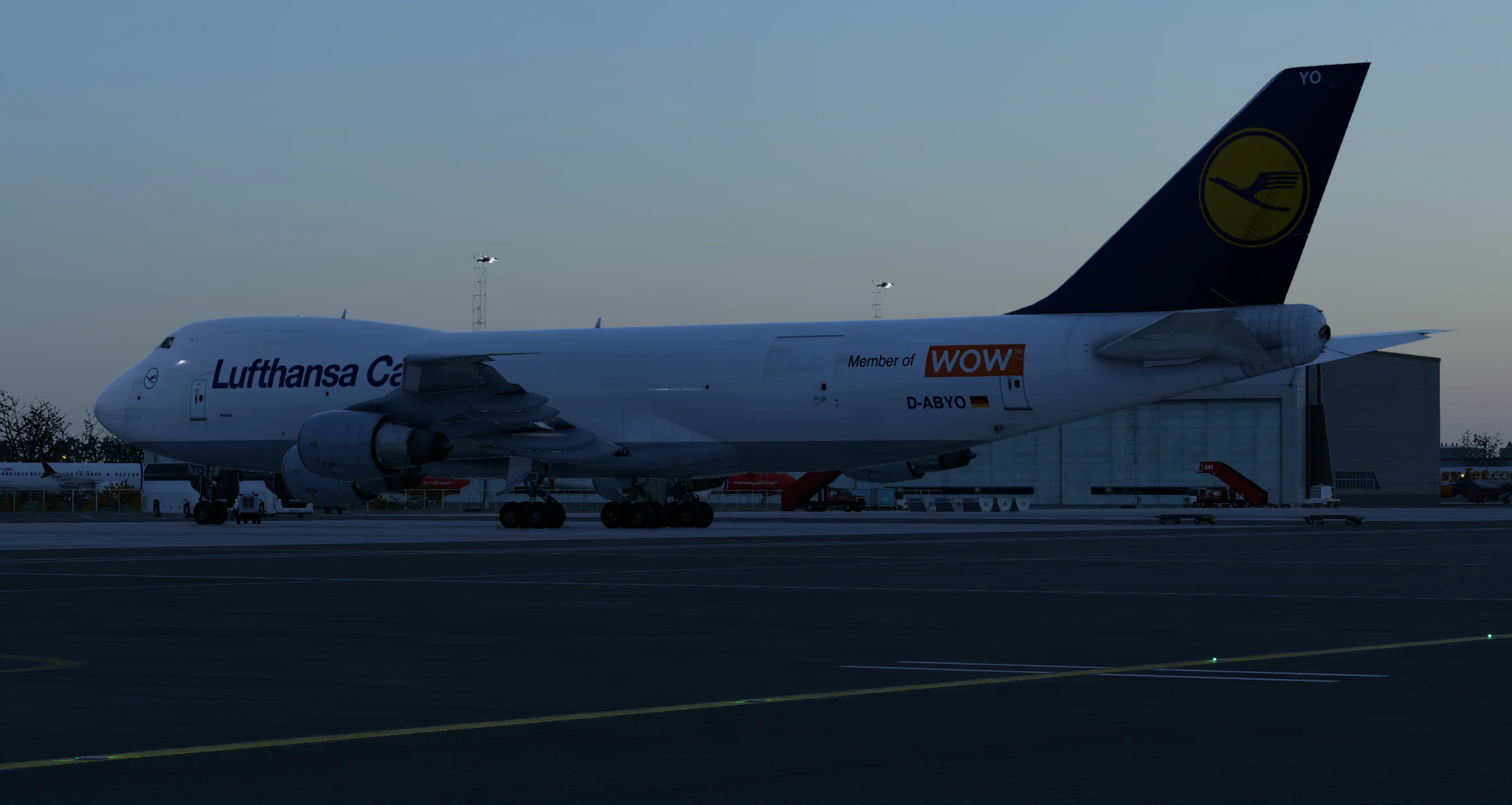
Felis released the passenger variant of the 747-200 in 2021, and now, four years later, they have introduced the freighter version. The Boeing 747-200 freighter is one of the most successful cargo aircraft in history. It was first launched with Lufthansa in 1972, marking the debut of Boeing's widebody freighters. More than fifty years later, the 747 freighter has become iconic, characterised by its distinctive nose door. The legacy of this classic aircraft continues with the 747-400F and 747-8F models, both of which are still in service today alongside a handful of 747-200 freighters.
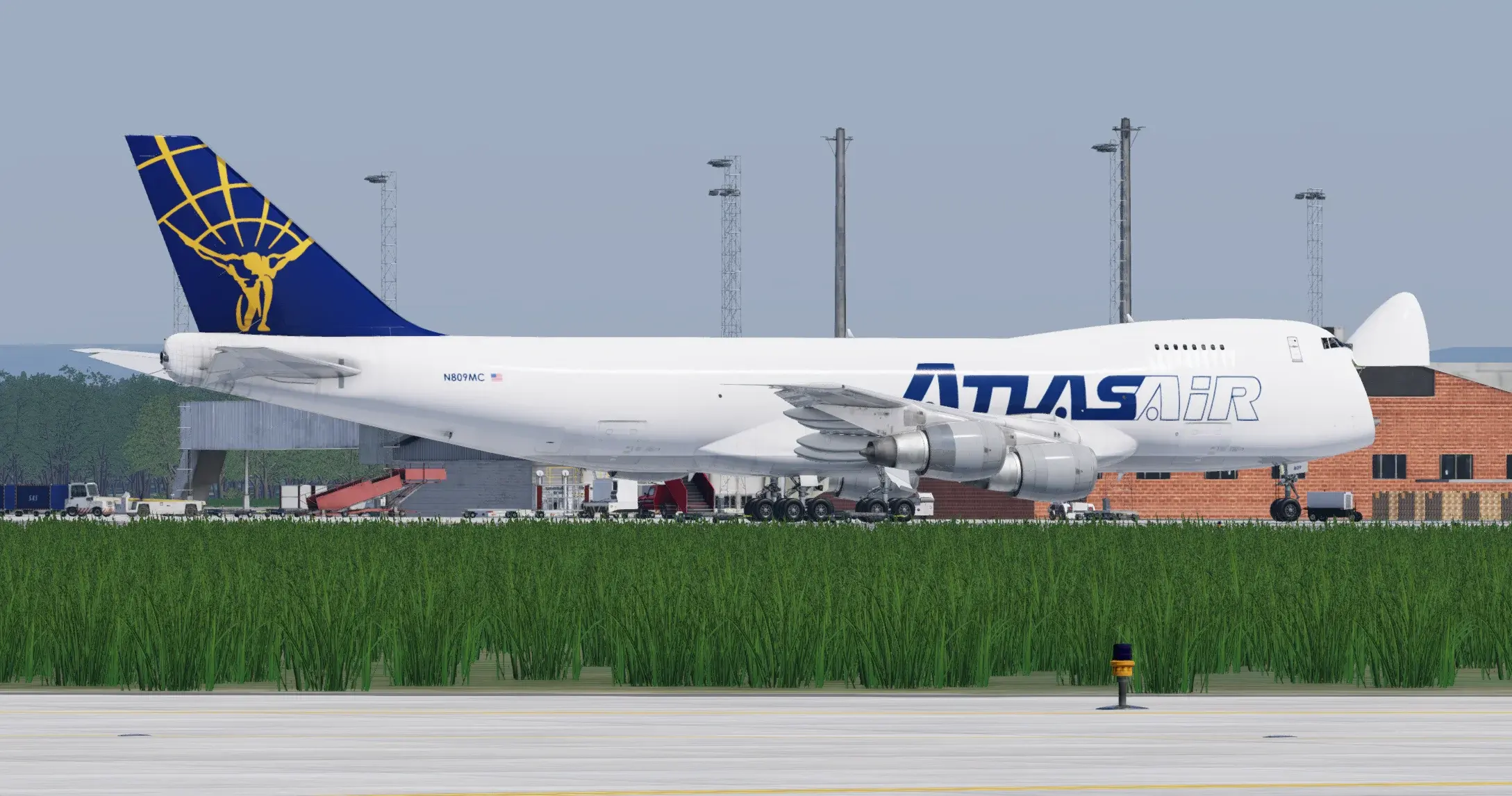
First Impressions
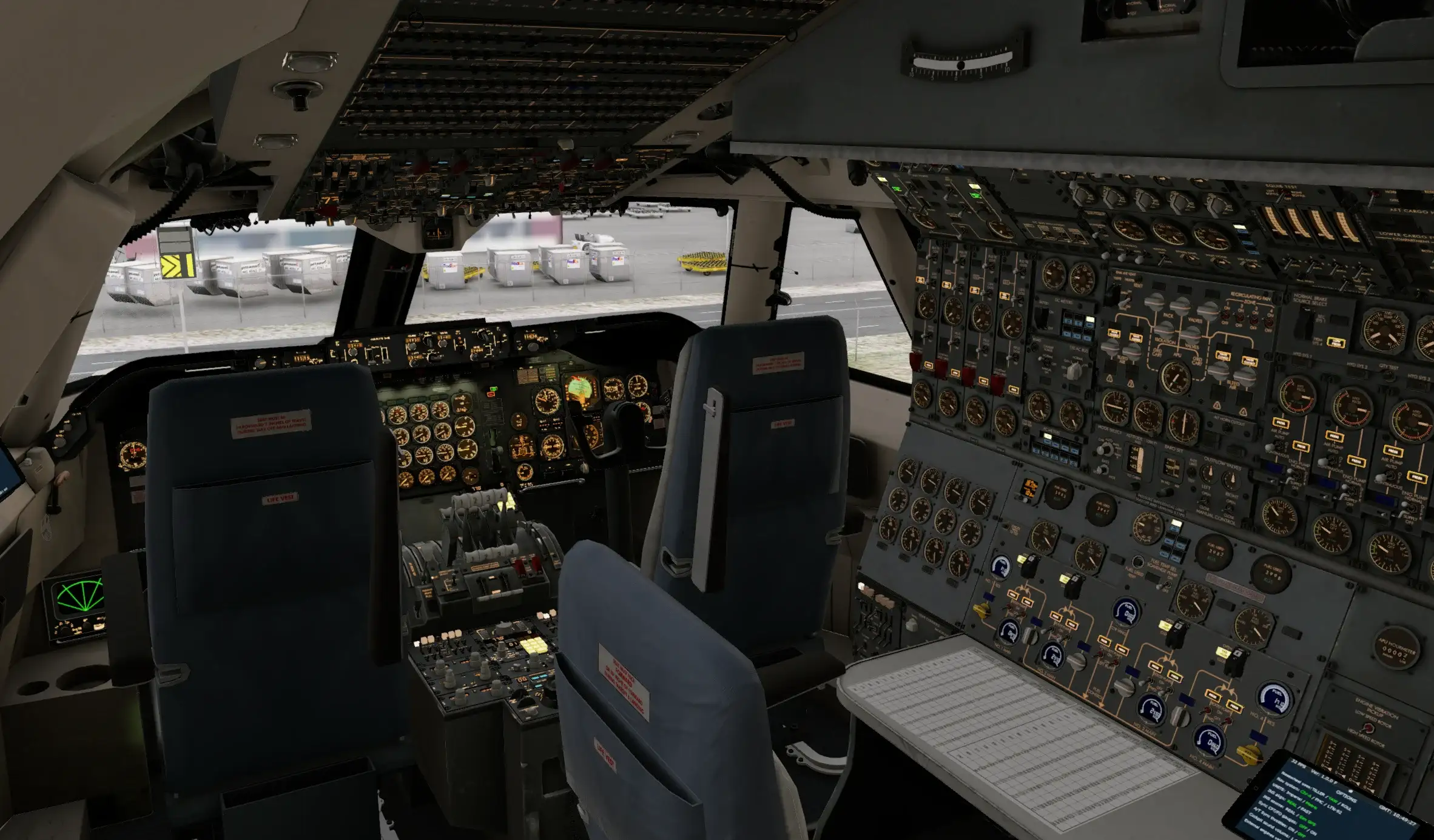
I was already quite familiar with the Felis 747 since I own the passenger variant. Stepping into the cockpit felt like home, but I noticed some significant changes. The first thing that caught my attention was the new tape-style engine instruments. They have a distinct look that I believe complements the flight deck nicely. Additionally, the voice alerts have changed. While I don’t think this was necessary—since the old ones were perfectly fine—it’s a minor adjustment that shouldn’t impact anyone too much. The rest felt very similar to what I was used to with the passenger variant, which is certainly a good thing.
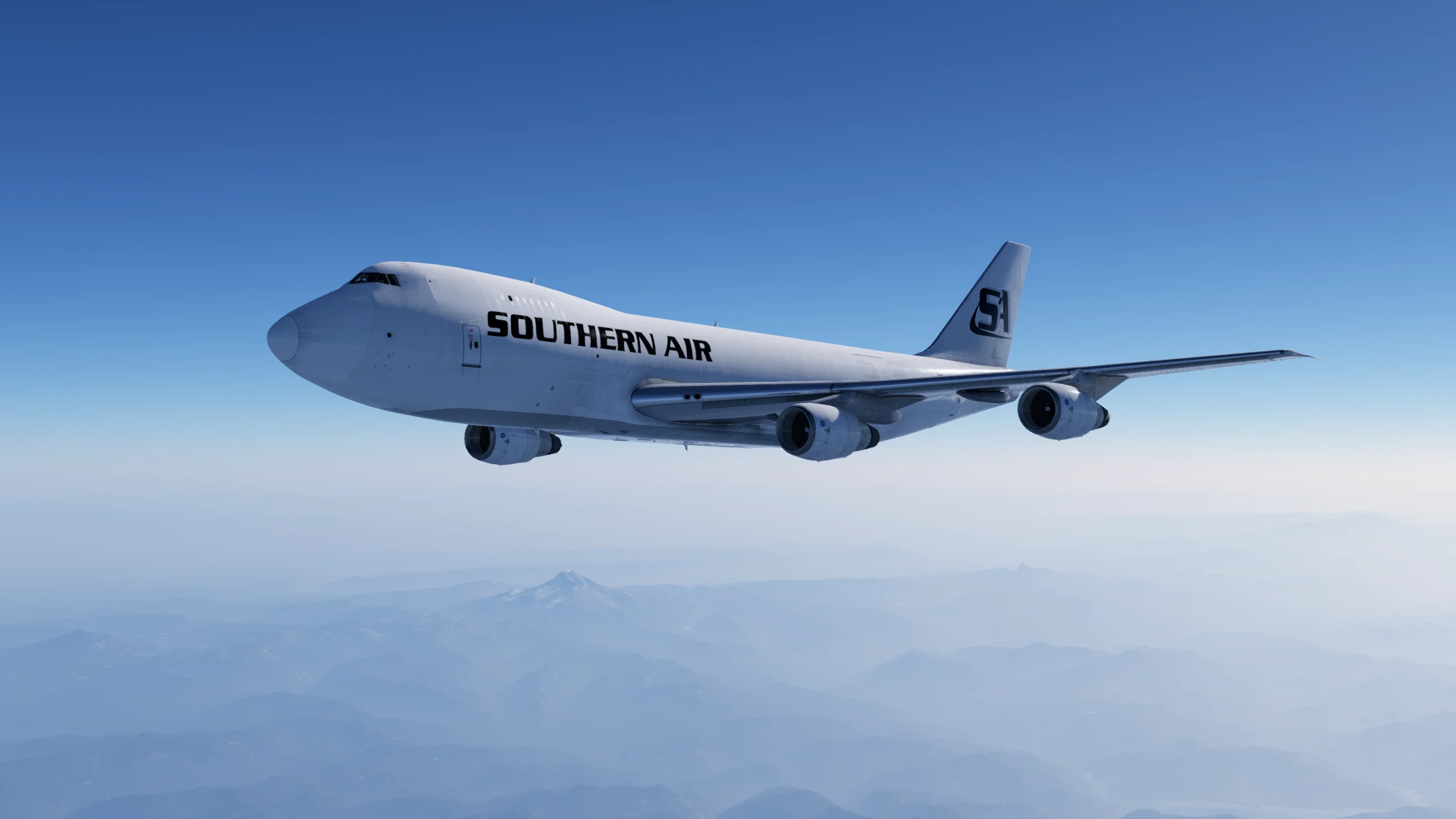
Aircraft Systems
I am not a real pilot of the 747-200, and very few people are at this point. However, it’s clear that Felis has invested a significant amount of time in ensuring that the systems are as accurate as possible. Almost all the buttons and switches on the pedestal, overhead panel, and flight engineer's panel operate as expected, and the autopilot functions reliably as well. While the systems are quite different from what we have today, using them is a very enjoyable experience. Other systems, like the electrical system, the fuel system, and the hydraulic systems, are also implemented as they are on the real aircraft. Although mastering the aircraft can be challenging, the satisfaction that comes with it is highly rewarding.
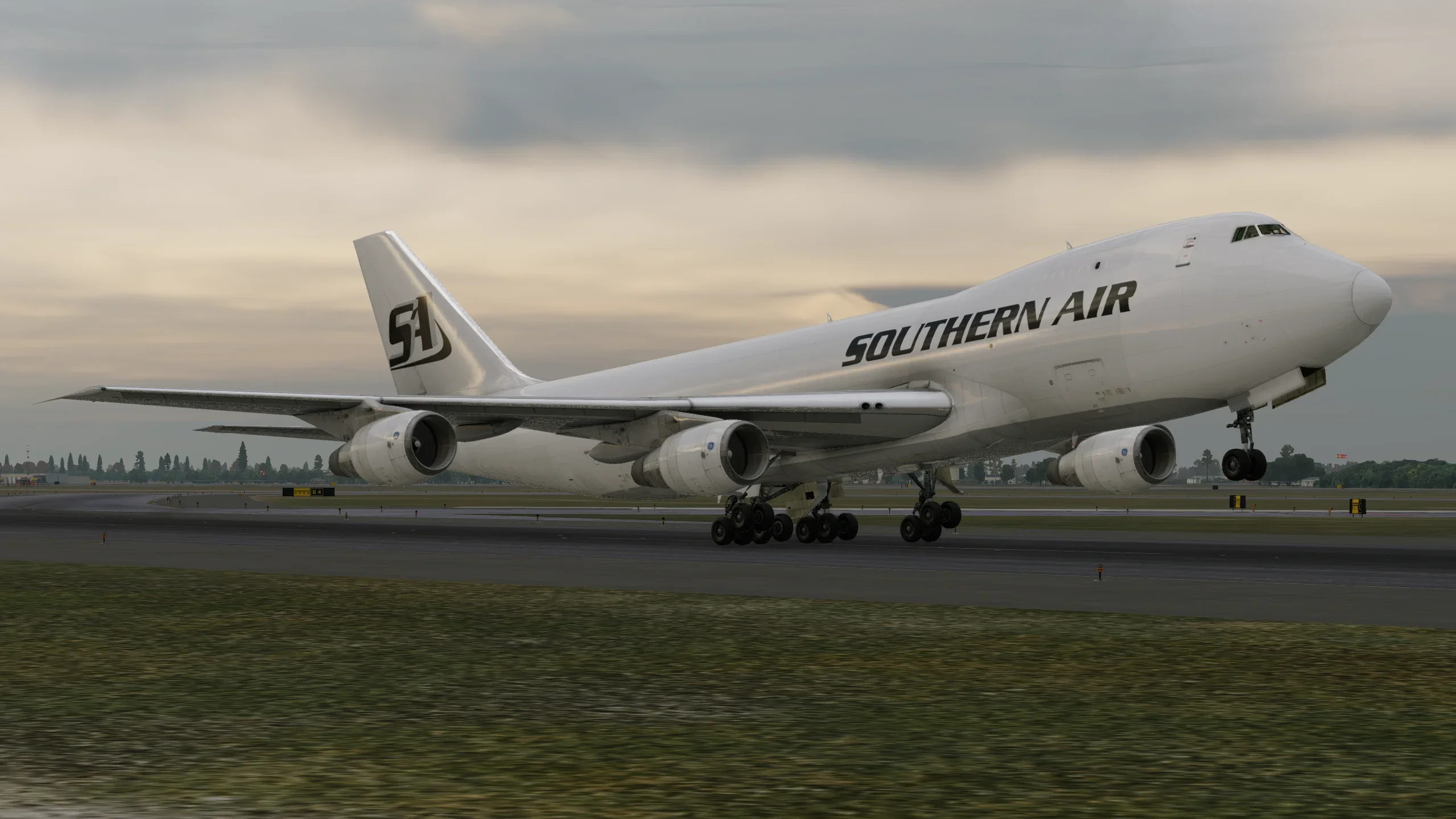
The Flight Management Computer (FMC) that many flight simmers are accustomed to was not available when the 747-200 first entered service. Instead, it was originally equipped with a CIVA Inertial Navigation System (INS), which is the predecessor to the FMC. This system is quite basic, allowing for a maximum of nine waypoints at a time, and features none of the fancy modern RNAV technology. Additionally, the INS has drift, which means you might need to utilise some form of ground-based navigation throughout your flight. This is especially important if you have been flying for a while and are preparing to land, as the INS may have drifted in a largely random direction. Luckily, we have the ability to stop the INS drift through the EFB if you prefer not to deal with it.
If the CIVA isn’t quite what you prefer, you can also choose the LTN-92 system or an FMC. I found the LTN to be a happy medium. It is relatively similar to the CIVA but has the ability to use RNAV waypoints and provide position updates. All of that is bundled into a small electronic unit that resembles our modern FMCs more than the older CIVA system.
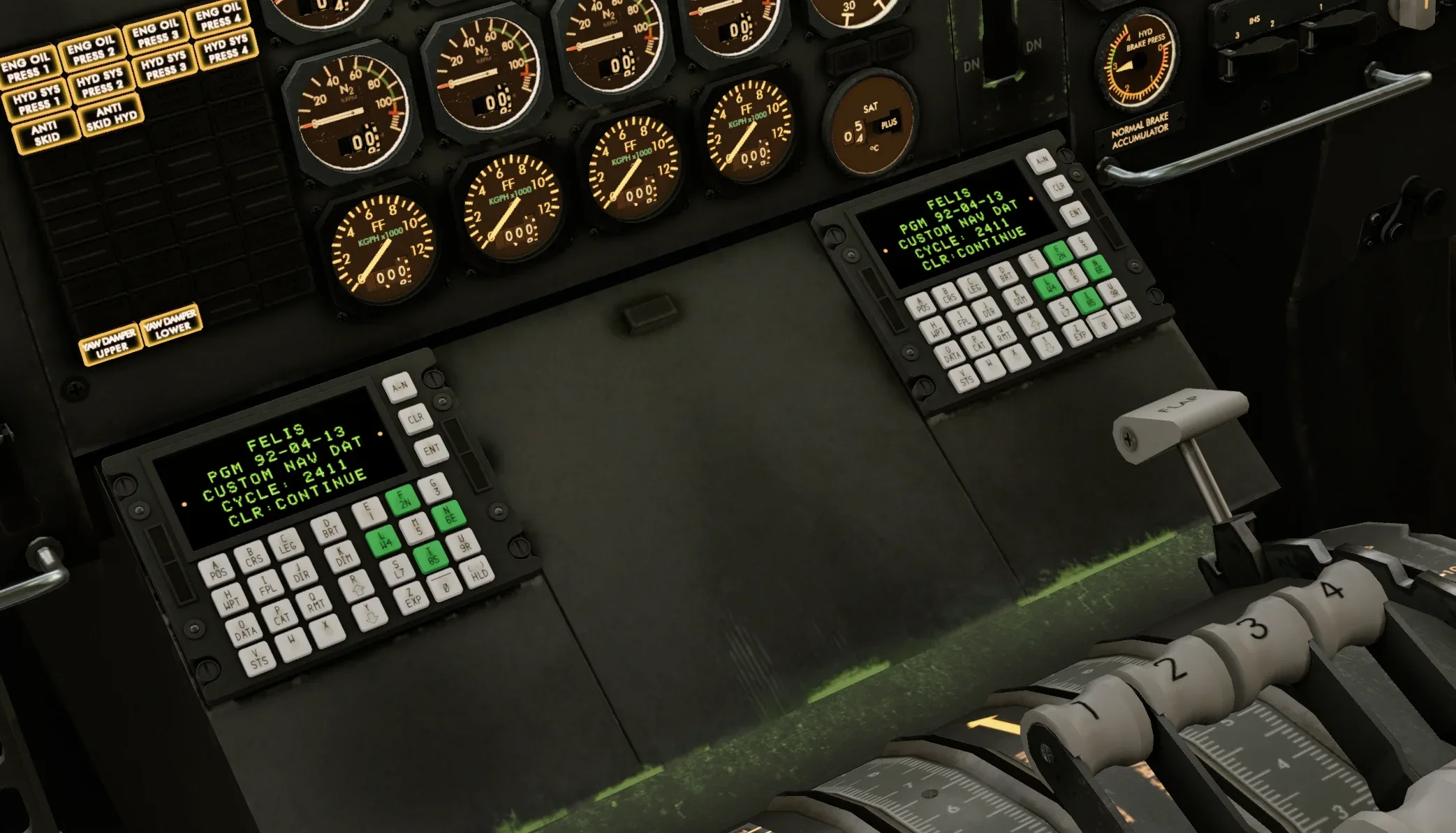
There is also a third option: using an FMC. The featured FMC seems to be the default X-Plane FMC, which includes RNAV and VNAV compatibility, although the autopilot won’t automatically climb or descend. The FMC feels very familiar and brings the plane into the modern era. However, there are limitations to fitting such an old aircraft with an FMC. The FMC is strictly for navigational purposes; thus, performance calculations, as you would have in more modern aircraft, must be done using the old methods—via lookup tables or the included performance calculator. I found the FMC to work just fine, and I had a great time using it. That said, there is no denying that the LTN-92 and CIVA are more exciting and rewarding to fly.
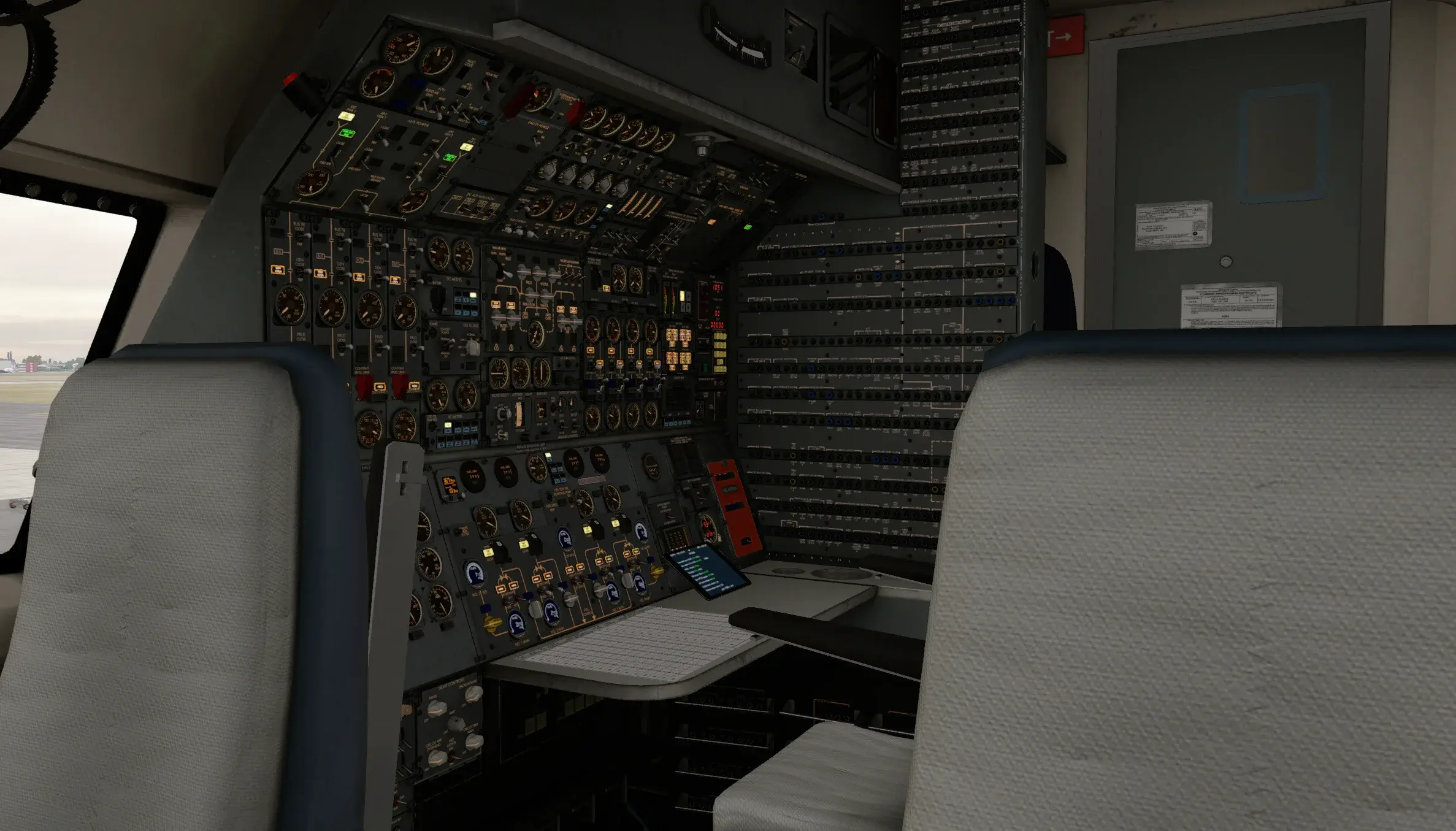
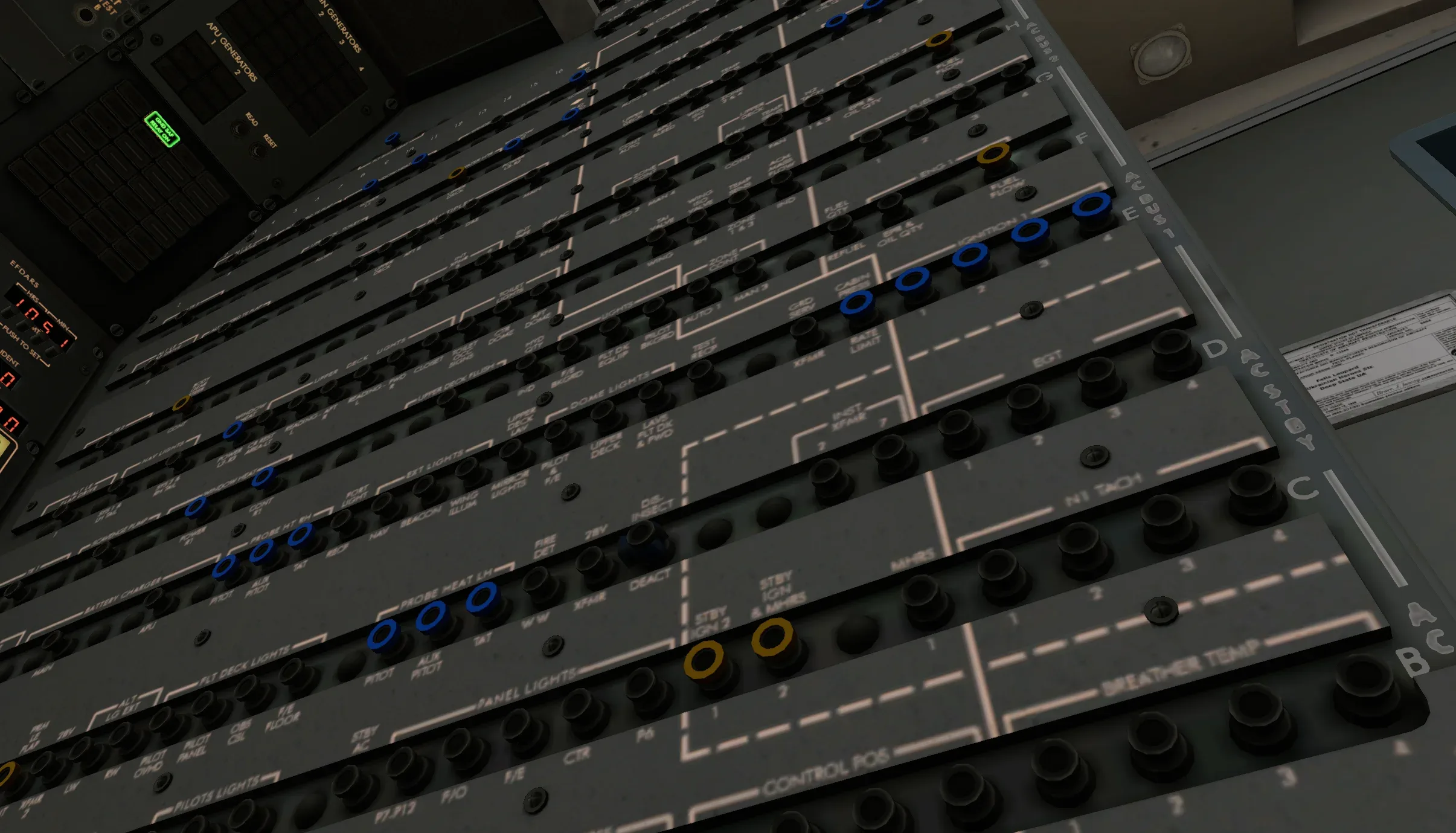
The only real weakness I found with the system simulation is the lack of circuit breaker simulation. Realistically, circuit breakers are only relevant for a tiny percentage of flights, and I’m guessing most people will have enough on their plates learning about all of the other systems in the aircraft. Still, we have seen aircraft in a similar price range feature circuit breakers previously.
Flight Model
Real pilot accounts of the 747's flight characteristics are mostly positive, with it often being noted how comparatively easy the 747 is to handfly for its size. The flight model in sim also handles exactly like I would expect it to. It is easy and truly a joy to fly. It is perhaps slightly too sensitive on the ground, but that is my only complaint.
Audio
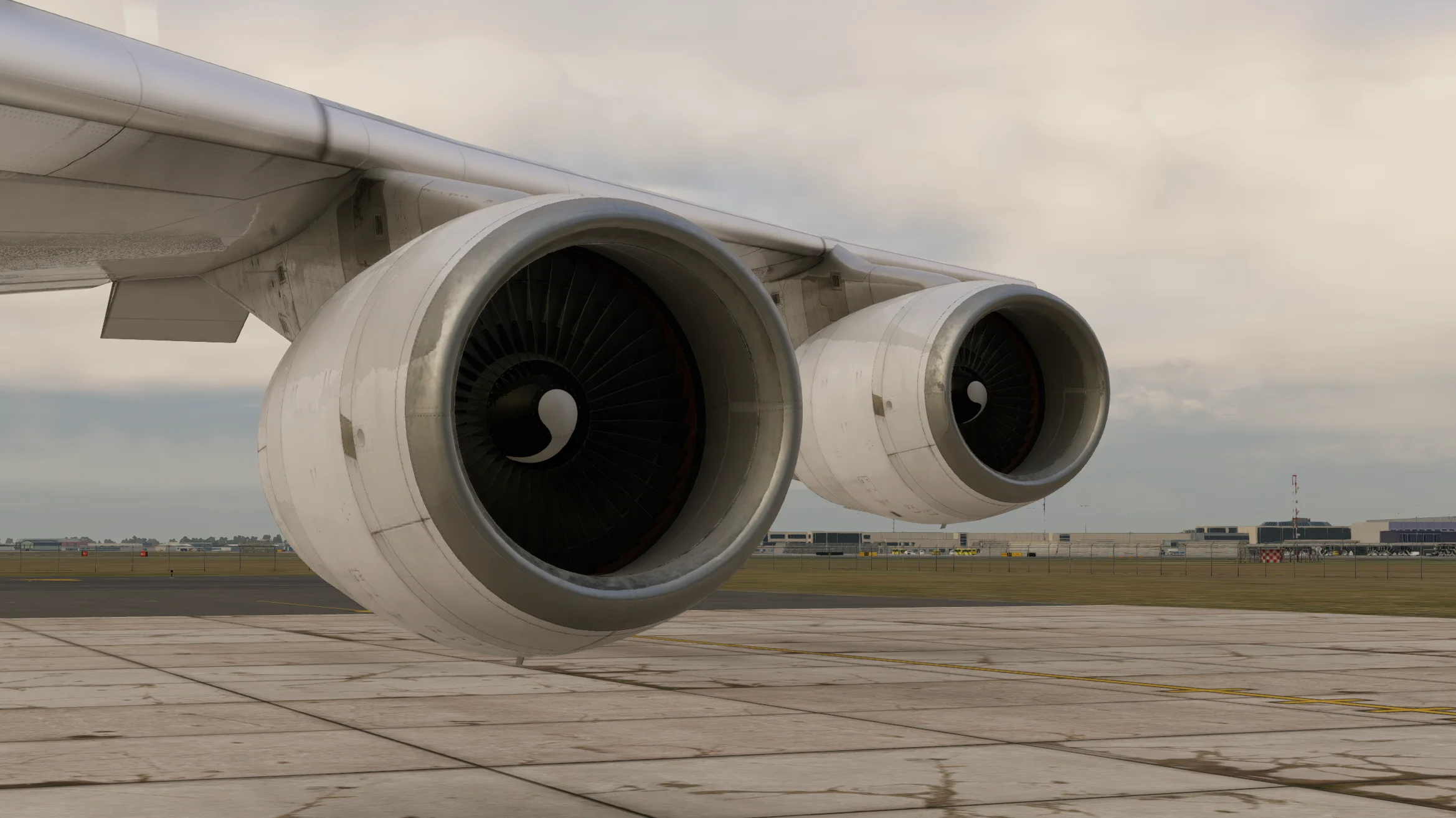
The sounds of the original passenger variant weren't bad at all, but this is another level. The new FMOD sounds are some of the best I have heard in X-Plane. Every aspect, from deploying the flaps to opening the cargo door and the roar of the four General Electric CF6 engines, sounds fantastic. The interior sounds are also exceptionally well done. The clicking of buttons and the turning of rotary encoders are tactile and satisfying, especially with the added touch of colleagues going through the checklists. Audio plays a crucial role in the experience, and Felis has truly hit it out of the park.
Modelling
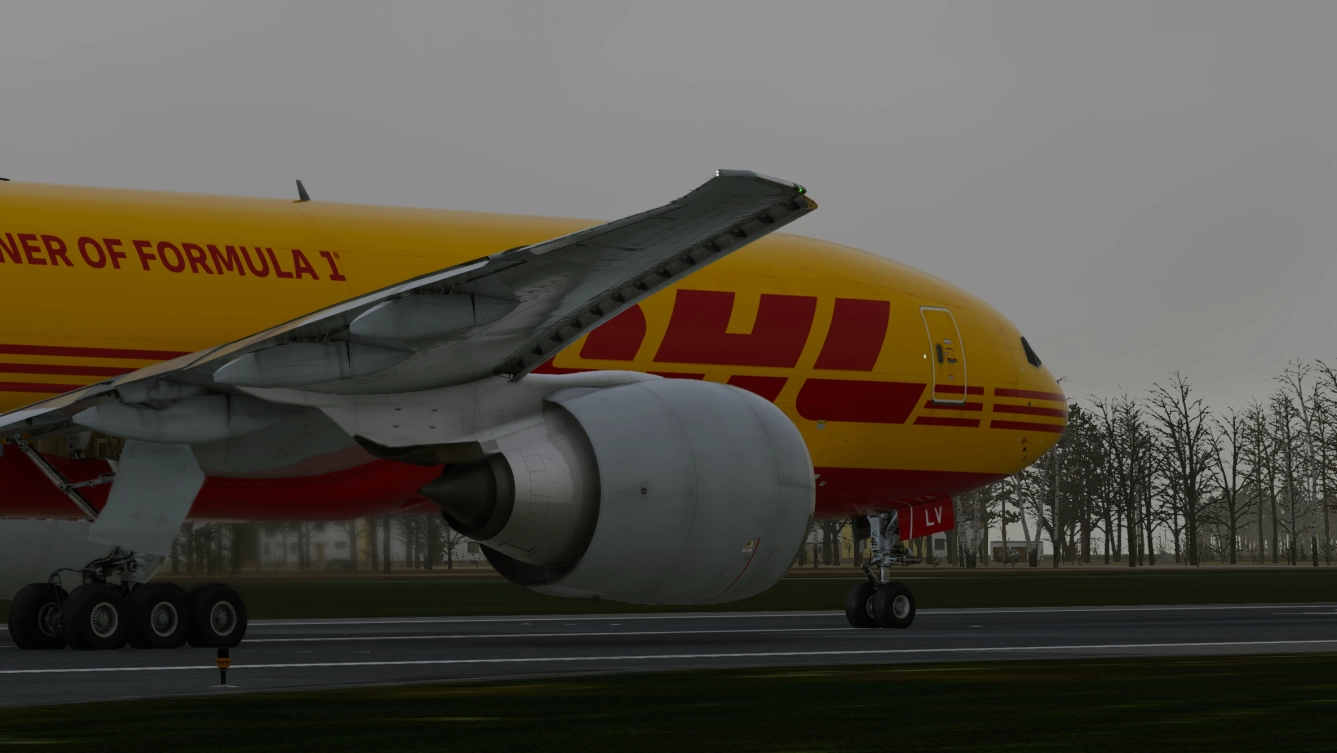
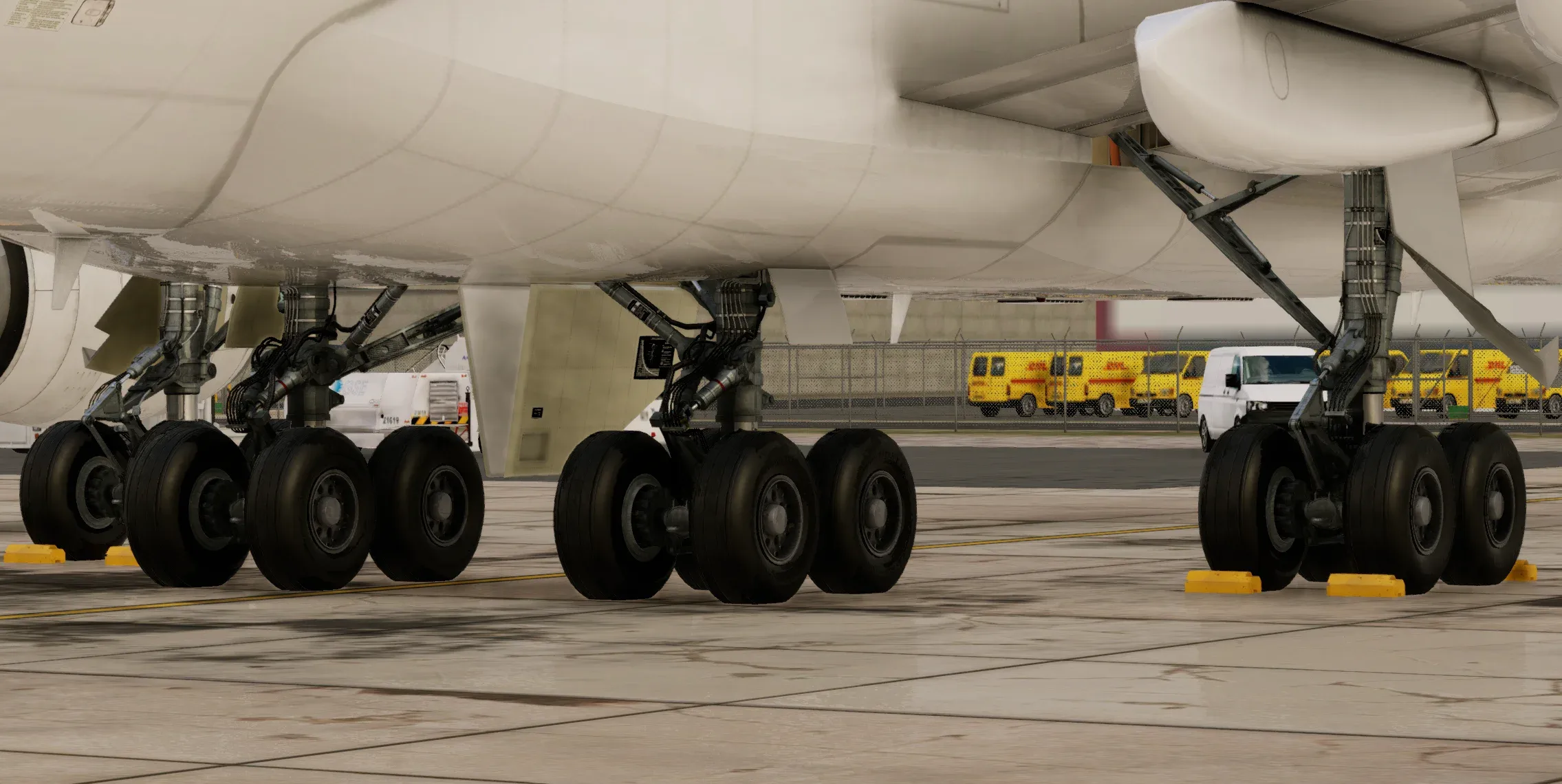
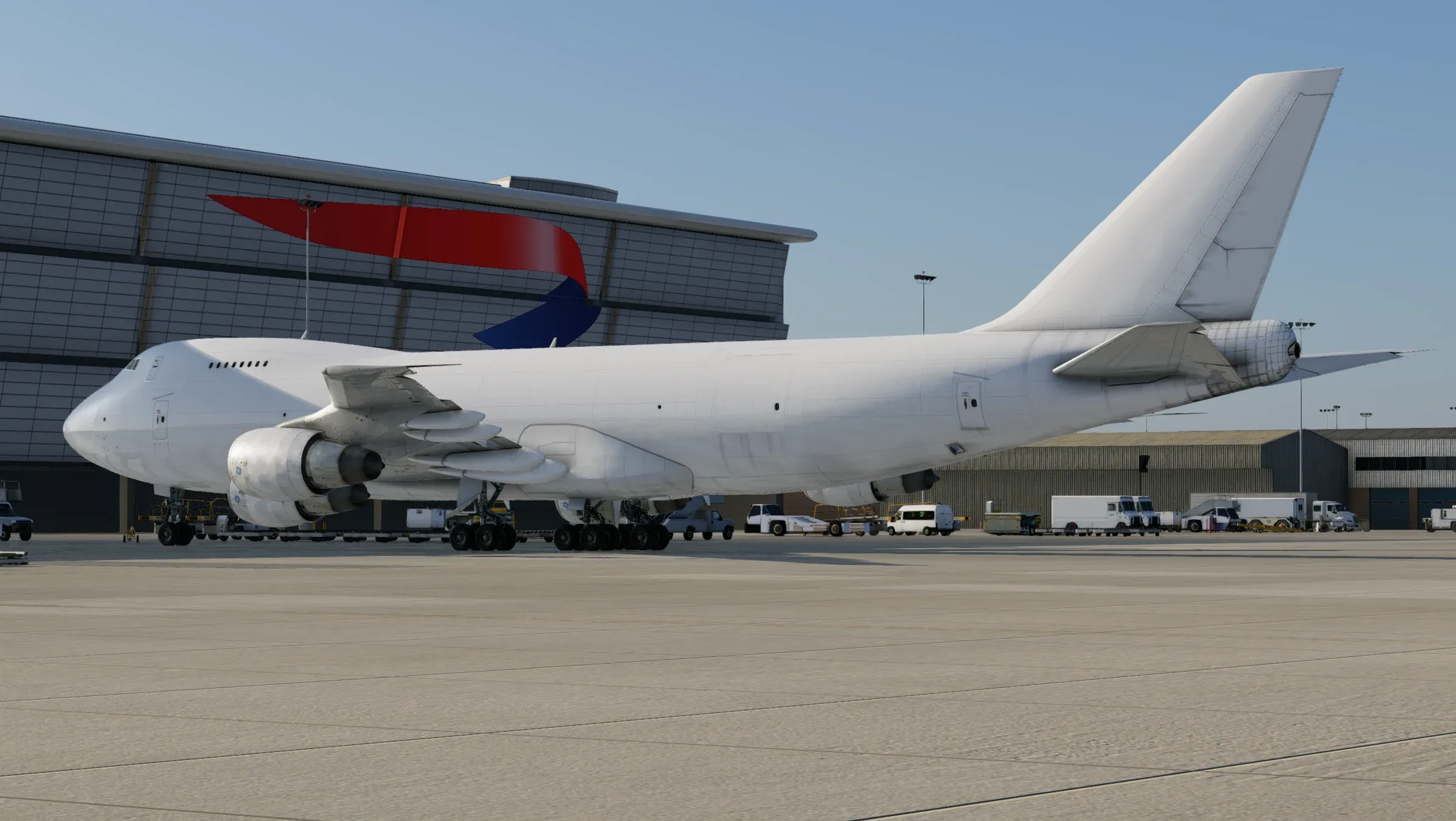
The high quality continues. The detailing is exceptional, particularly by X-Plane standards. One area that truly stands out is the landing gear, demonstrating the significant time and effort invested in creating a realistic representation. The cockpit is also remarkable, showcasing beautifully modelled intricacies; however, I did find the upper overhead panel to be somewhat low in resolution. Aside from that, the cockpit is stunning.
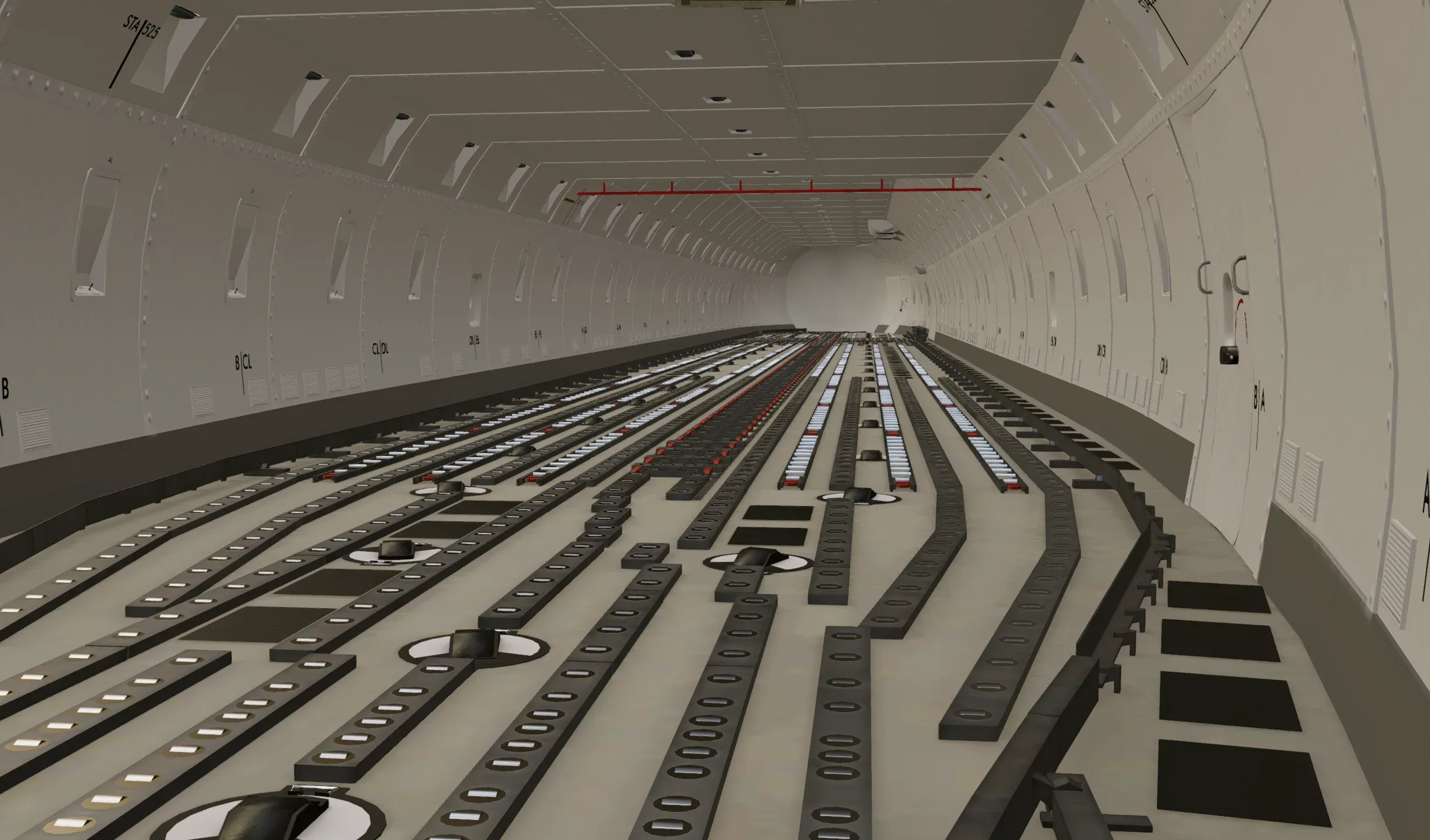
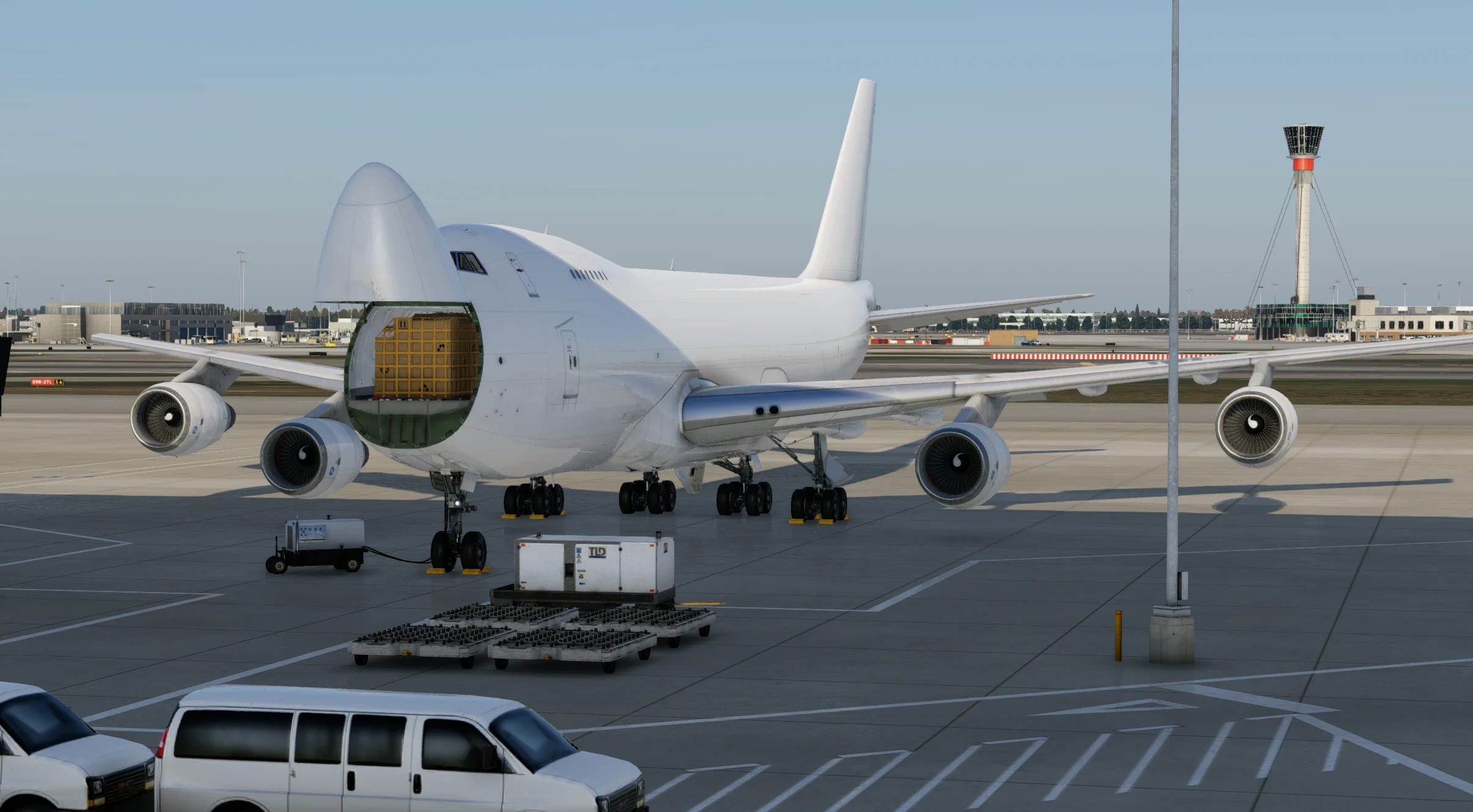
The cargo deck is well-designed, but both the control panel for the door and the windows appear a bit outdated. They have a relatively low polygon count and resolution. The upper deck is also missing a bit of detail - but I am very much nitpicking here.
Overall, this is a stunning aircraft. The areas lacking detail are ones where you won't spend much time, except perhaps for the upper overhead panel.
Performance
The performance could be improved. This aircraft is definitely one of the more challenging models to operate in X-Plane. While it's not extreme, it is noticeably more demanding than some other high-quality aircraft, such as the ToLiss A320 or the FlightFactor 777. I can't really fault Felis for this, as the sheer size and detail of the aircraft contribute to some unavoidable sluggishness.
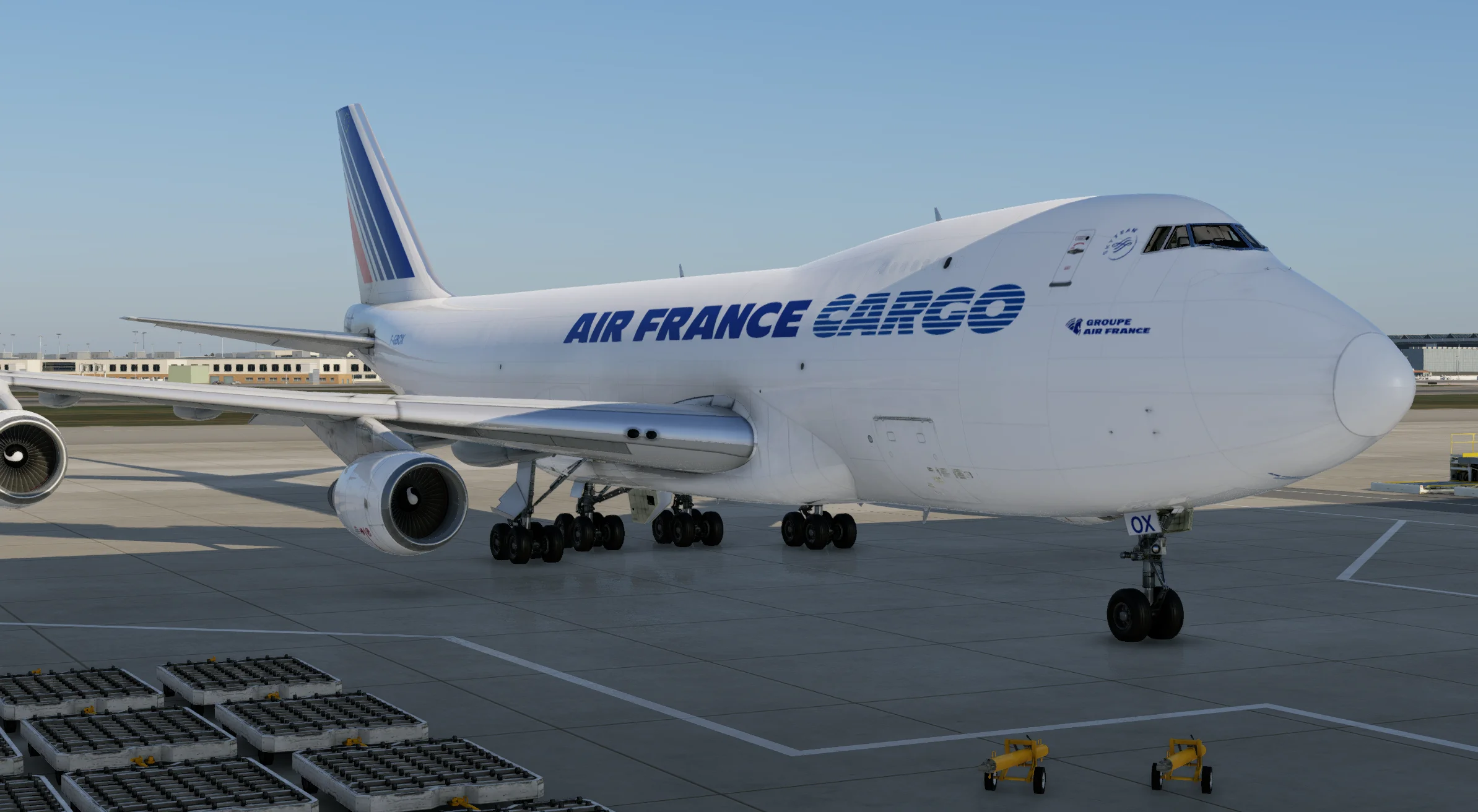
On my mid-range PC, which has 32 gigabytes of DDR4 RAM, an RX6750XT GPU, and an Intel Core i9 11900-F CPU, I am experiencing moderate FPS. Usually, the FPS ranges from 40 to 50 during cruise and at some performance-friendly airports, like Taimodels ENGM. However, in more challenging environments such as London and Frankfurt, the FPS tends to drop to around 30, and sometimes even into the high 20s. It’s not terrible, but you might want to reduce some graphics settings if you're using a less powerful PC.
Miscellaneous
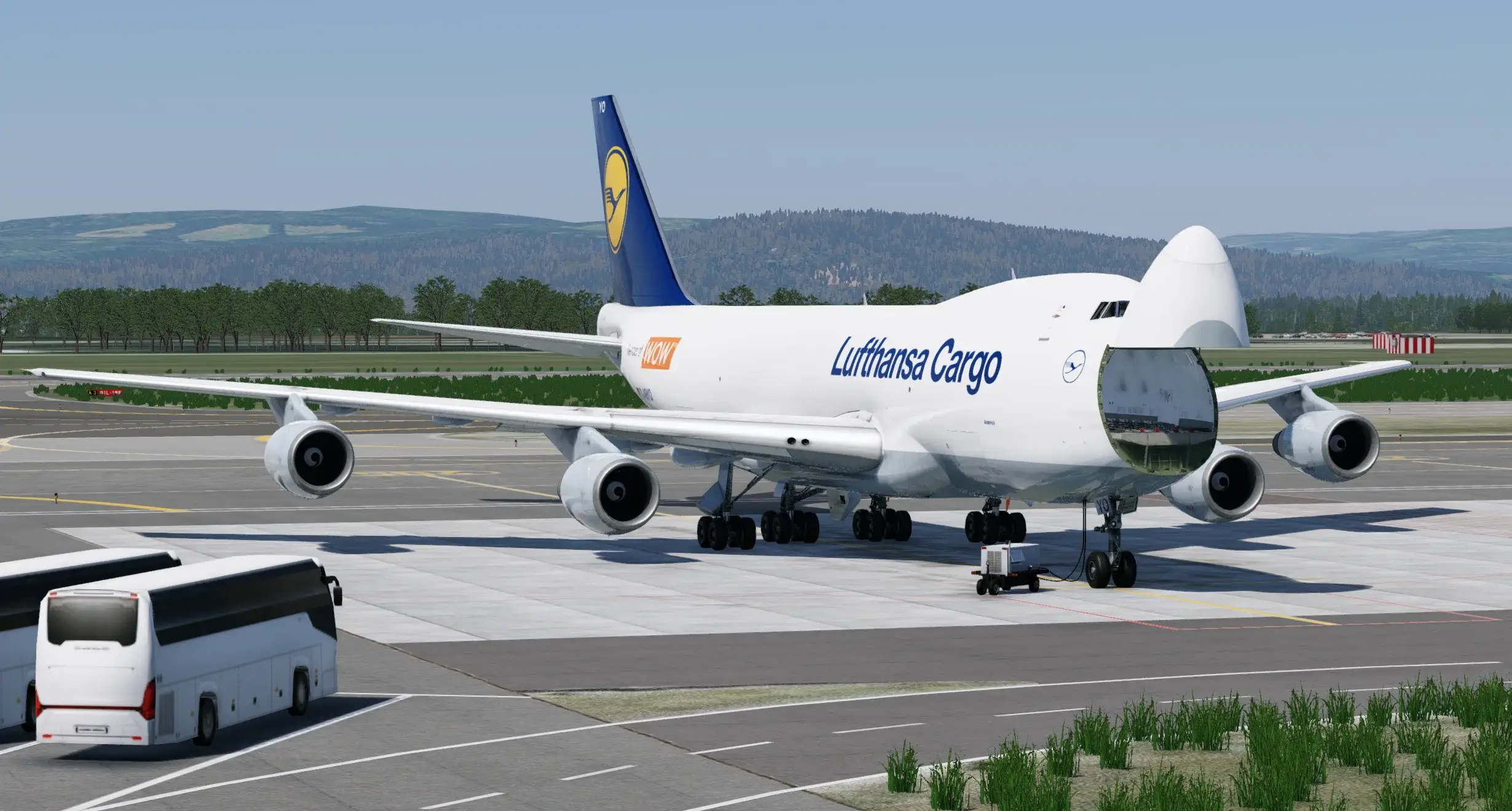
As this is a freighter, you would expect some things to differ from the passenger variant, like, for example, the iconic nose cargo door. I can happily report that it is fully implemented, being able to be opened from both the physical control panel and the EFB. The cargo deck, as previously mentioned, is also fantastically modelled. As the aircraft is being loaded, you will also be able to see it fill up dynamically, something that is a great detail.
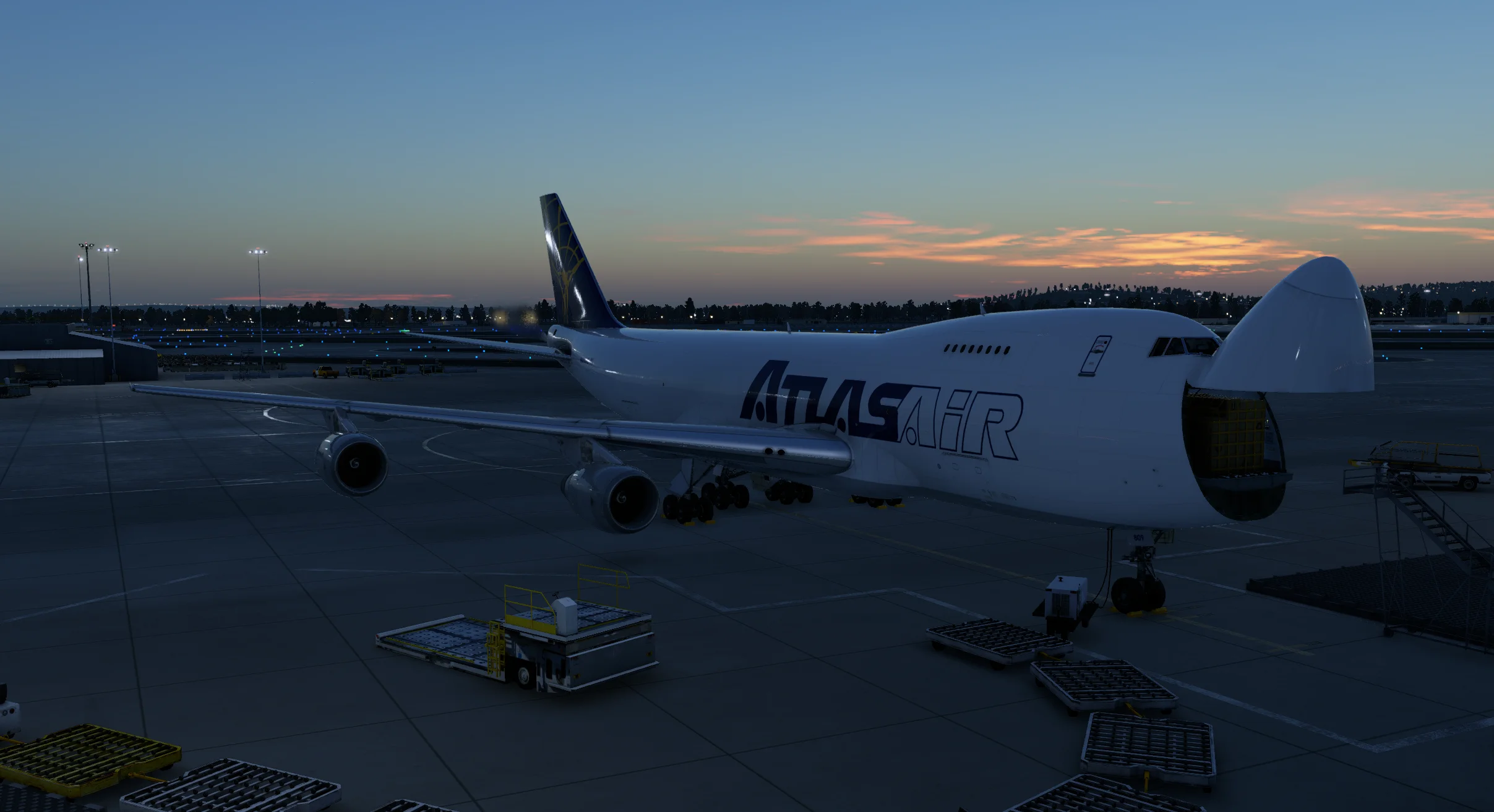
I have one significant complaint: the lack of ground handling. The unique design of the nose cargo door makes it difficult to find third-party add-ons that support it. As a result, while cargo can appear in the cargo deck and you can open the nose door, you won’t actually be able to load it. I was quite disappointed by this because it prevents a fully realistic flight experience that includes all the ground handling elements from departure to arrival. To be fair to Felis, they aimed to deliver a high-quality aircraft, not necessarily focusing on ground handling, and in that respect, they have succeeded. However, it is still somewhat disappointing.
Conclusion
I was truly impressed by what Felis has accomplished. The 747 passenger variant was already good, but Felis has further improved upon it with this version. The freighter is undoubtedly one of the best aircraft available in the entirety of flight simulation. It will certainly remain in my hangar and be frequently used.
There are a few downsides, such as the lack of proper ground handling and its relatively heavy resource requirements. However, I can easily overlook these issues. The Boeing 747-200 Freighter by Felis is simply stunning. It is priced at $70; however, users who already own the passenger variant can upgrade for $30. Both price points are reasonable. While $70 might seem high, considering what you get, it’s definitely worth it.
The Felis 747-200 Freighter is available for $70 at the x-plane.org store.
A big thanks to Felis for providing a review copy!
If you enjoy our content and want to support Threshold, consider joining us on Patreon!
Share this page



COMMENT ADVISORY:
Threshold encourages informed discussion and debate - though this can only happen if all commenters remain civil when voicing their opinions.